
Last updated November 14, 2026
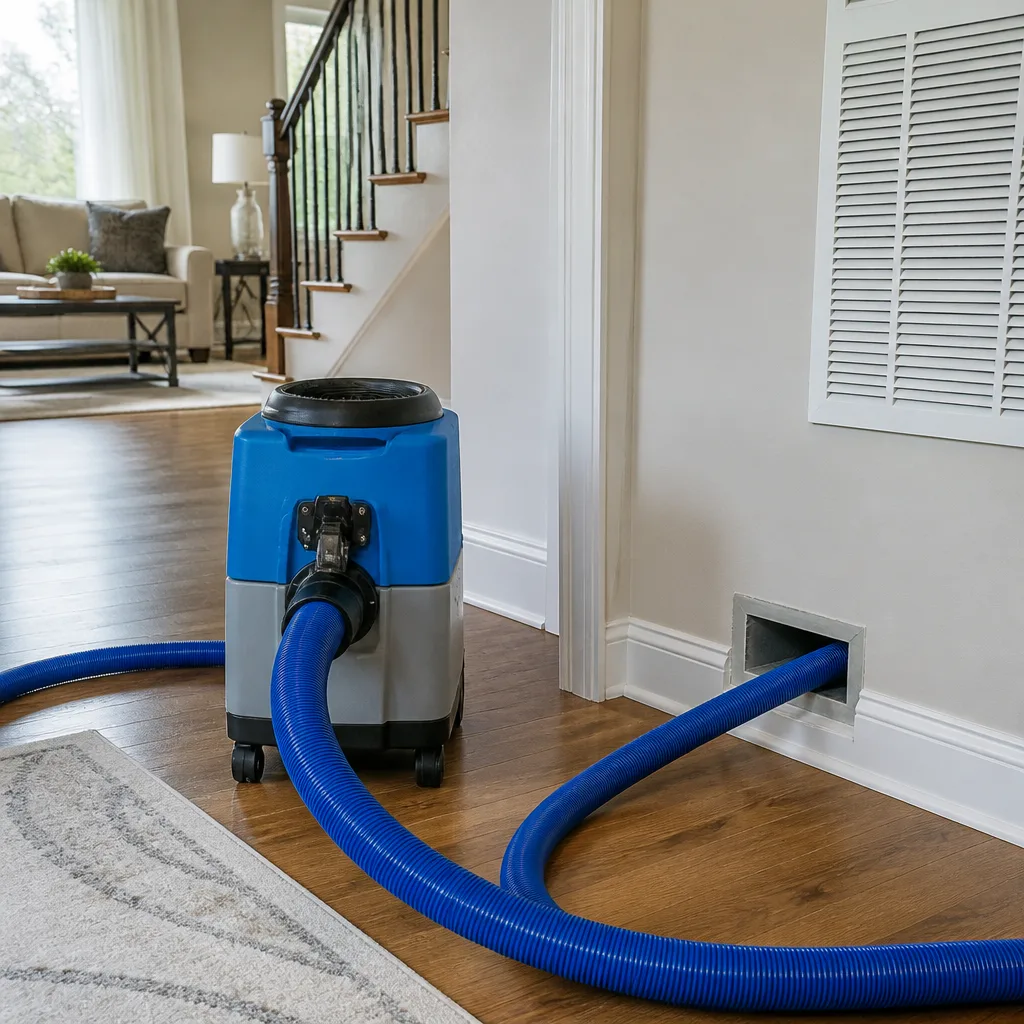 Whole-home duct cleaning
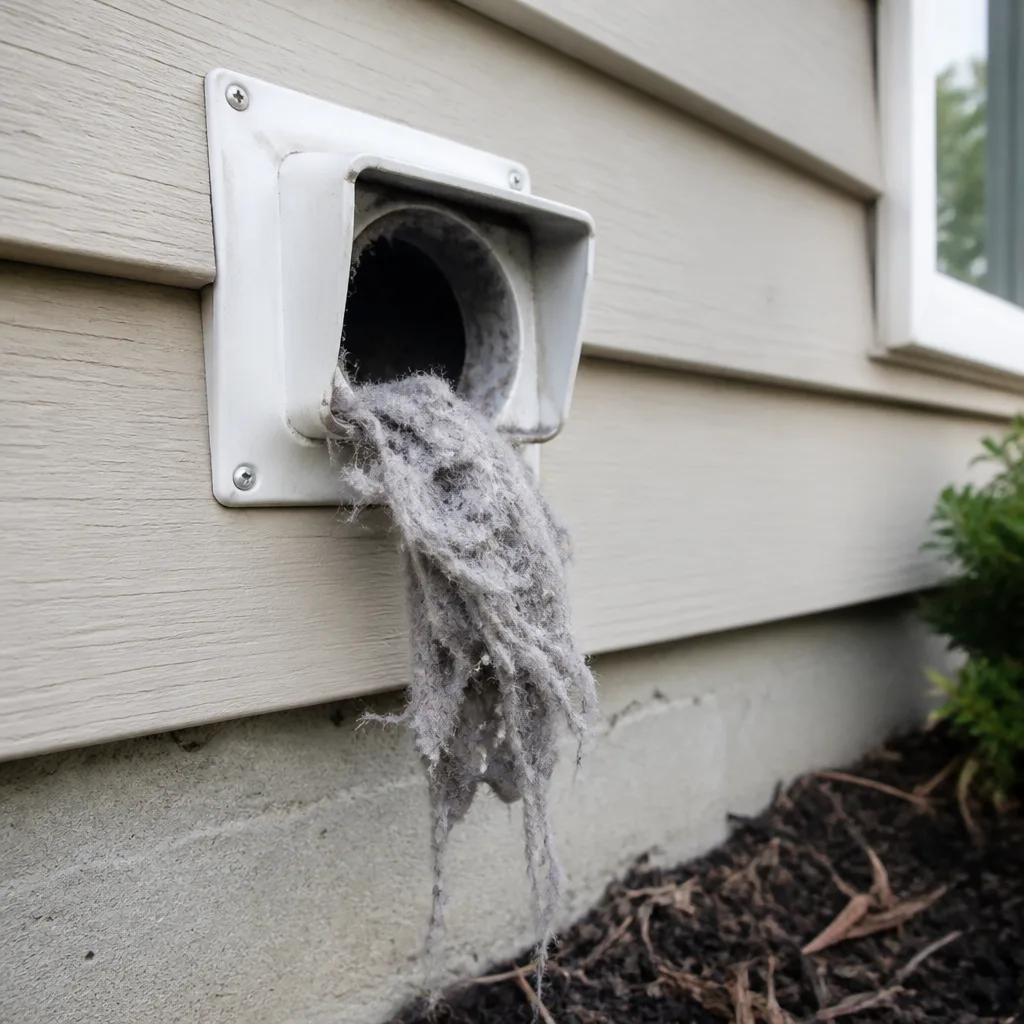 Dryer vent cleaning
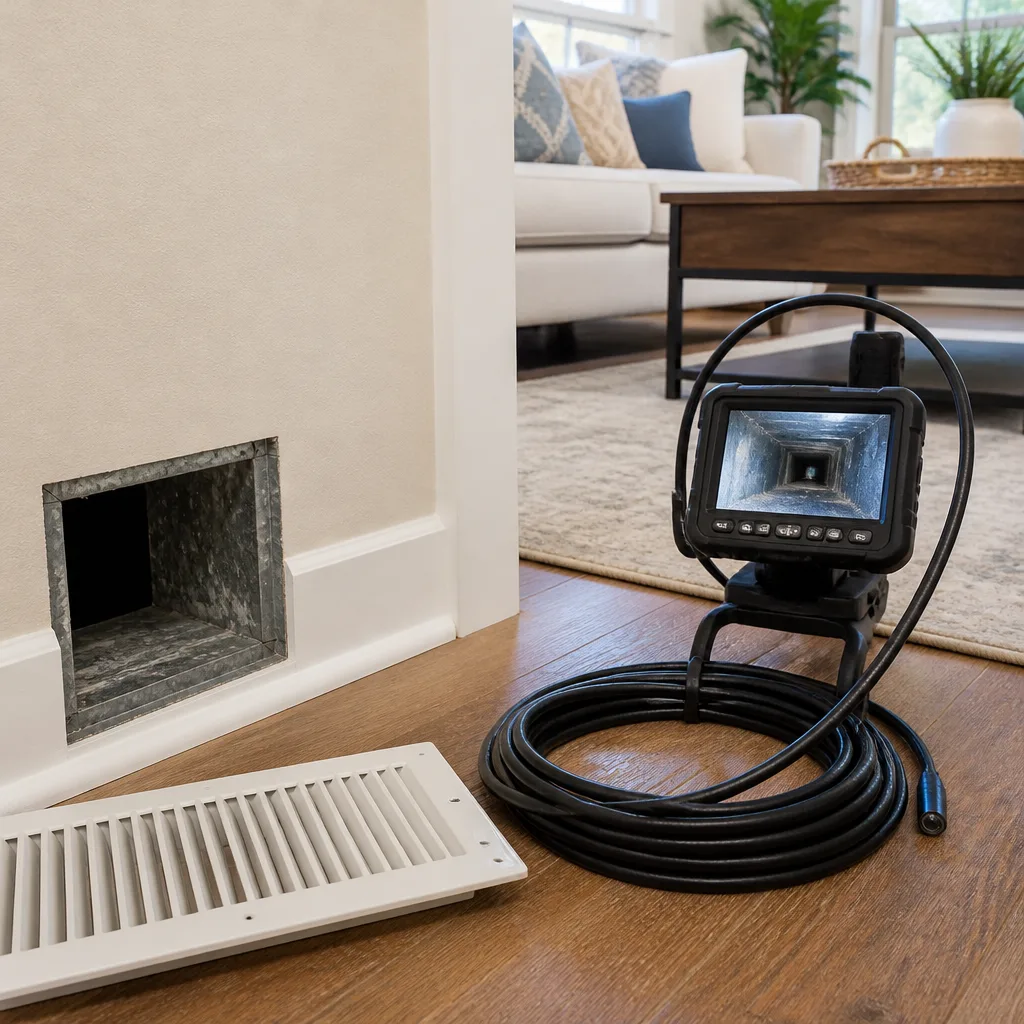 Camera inspection
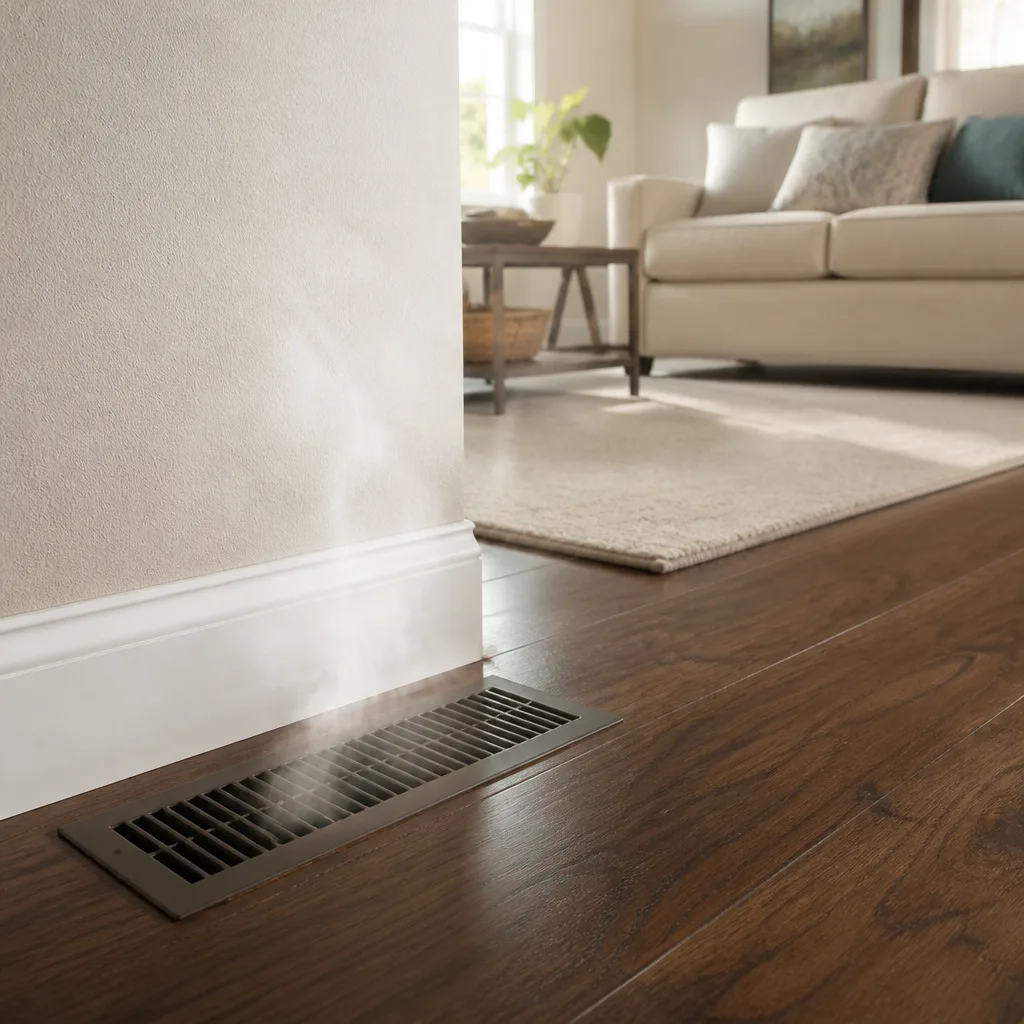 Sanitizing & deodorizing
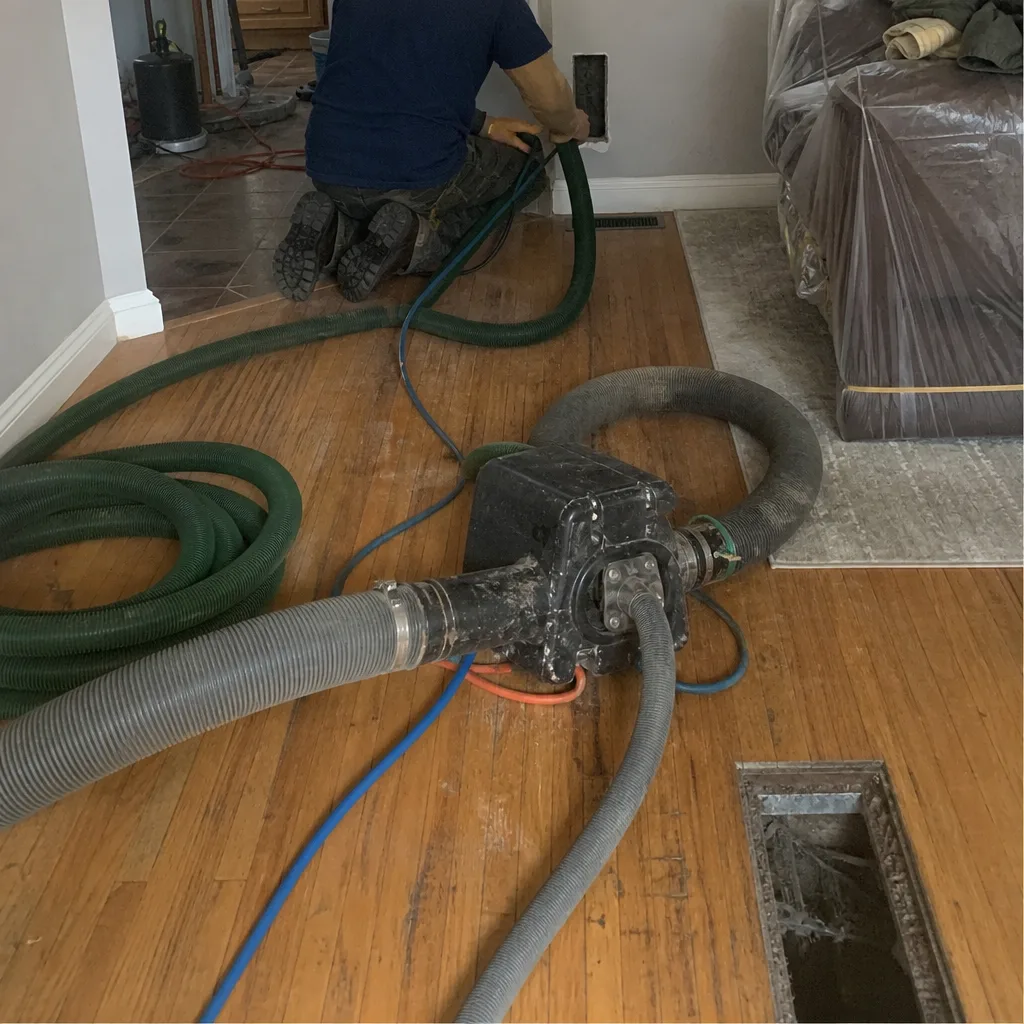
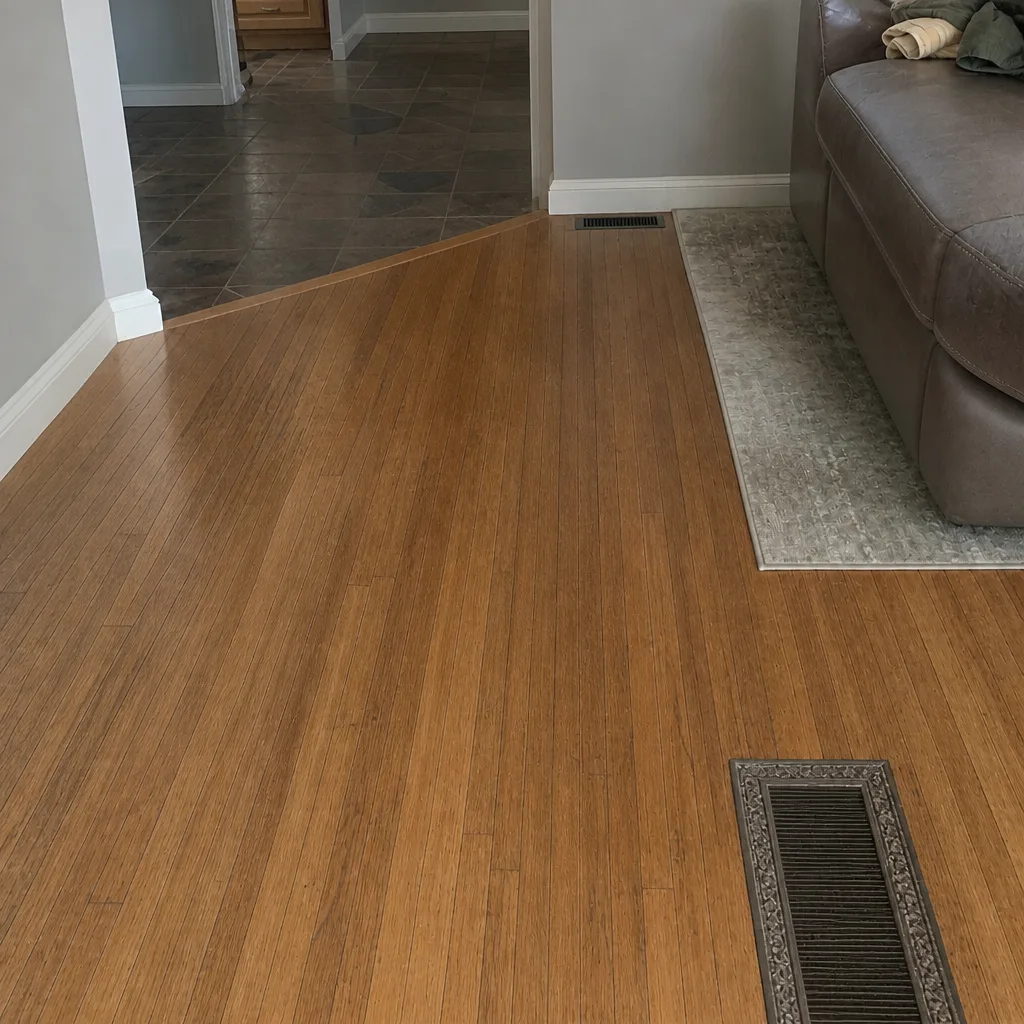
Whole-system duct and dryer vent check with before-and-after photos - you see exactly what came out of your vents
That "$99 whole-house special" is a bait ad - the real number appears once they are in your hallway, or the "clean" is a shop-vac at the register. We photograph the inside of your ducts before and after instead.
DIY vs Professional Air Duct Cleaning: The Roseville Homeowner’s Decision Guide
Most homeowners assume their vacuum is simply a smaller version of the equipment a duct cleaning company uses. That’s not quite right, and the reason matters. A typical shop vac pulls around 100 CFM of suction. A professional Nikro vacuum collection unit pulls 1,500 to 2,000 CFM. That gap isn’t a sales figure. It’s the physics that decides whether contamination leaves your duct system or just gets stirred into the air you’re breathing. This guide walks through exactly which duct situations a hands-on Roseville homeowner can reasonably tackle, which ones get worse with DIY effort, and how to know the difference before you spend a weekend on your knees with a brush kit.
Quick Answer
DIY air duct cleaning works for light surface dust, a single clogged register, and routine dryer vent lint removal up to the first bend. Everything beyond that – mold, rodent debris, post-construction fine dust, or contamination spread through an entire duct system – requires negative-pressure containment equipment that homeowners can’t rent or replicate. If you can see growth, smell something organic, or you’ve just finished a remodel, call a professional.
Styles & brands we work with
- Whole-home duct cleaning
- Dryer vent cleaning
- Camera inspection
- Sanitizing & deodorizing
Table of Contents
- What DIY Air Duct Cleaning Can Legitimately Handle
- Why Negative Pressure Is the Line Between Clean and Contaminated
- When DIY Is Actually the Right Call
- When DIY Makes Conditions Worse
- Renting a HEPA Vacuum: What You Actually Get
- How to Stretch the Time Between Professional Cleanings
- The Cost Reality of DIY vs Professional Over Five Years
- Common Mistakes to Avoid
- When to Call a Professional
What DIY Air Duct Cleaning Can Legitimately Handle
We’re not going to pretend a homeowner can’t do anything. You can. There’s a real set of tasks around the edges of your duct system where a careful DIY approach genuinely works, and we’d rather you spend your time on those than on jobs that end up in the sink. Here’s the honest list.
- Register and grille cleaning. Remove each supply and return grille, wash it in warm soapy water, dry it fully, and reinstall. Do this twice a year, or quarterly if you have pets. Grilles catch the coarse stuff before it ever reaches the duct trunk.
- Dryer vent lint removal to the first bend. Disconnect the flexible vent behind the dryer, clear lint from the flexible section and the first few feet of rigid pipe, and reconnect tightly. This is a legitimate safety task and one every household should do.
- Filter upgrades. Swapping a basic fiberglass filter for a pleated filter with a higher MERV rating is a real improvement in what reaches your blower and your ducts. Check your furnace manual for the correct filter thickness and the highest MERV your blower can handle without starving airflow.
- Exterior vent cap maintenance. Clear nests, lint, or debris from the outdoor vent caps for your dryer, range hood, and bath fans. A stuck cap flap is a common cause of poor exhaust.
- Visible light dusting near registers. A vacuum wand run a few inches into a supply boot after removing the grille can capture loose surface dust before it settles deeper.
That’s the list. Notice what’s missing from it? Everything inside the actual duct runs, and everything past the first bend in a dryer vent. That’s where the physics turn against you, and that’s where we start the next section.
Why Negative Pressure Is the Line Between Clean and Contaminated
Here’s the concept that most DIY guides skip entirely. Suction isn’t the same thing as source removal. When you cut a hole in your duct or pull a register and feed a shop vac hose in, you’re applying localized suction at one point. But your duct system is a network. Air is moving through it. Debris that gets dislodged in one branch doesn’t necessarily get pulled into your vacuum. Often it gets pushed downstream into living spaces through other registers, or into the blower compartment, where it becomes a permanent problem.
Negative-pressure containment solves this by changing the whole-system pressure. Professional teams use a collection unit like a Nikro HEPA vacuum connected to the main trunk, which draws the entire duct system into negative pressure relative to the room. While that negative pressure holds, a technician runs brush-agitation equipment (like a Rotobrush) through each branch. Anything the brush dislodges gets pulled toward the collection point, not toward your living room. Particles down to 0.3 microns are captured by HEPA filtration, which is smaller than mold spores and most fine construction dust.
We also use Abatement Technologies negative-air equipment – the same containment-grade standard that gets deployed in commercial remediation jobs. That equipment exists for one reason: to keep contamination from escaping into occupied space during a cleaning or abatement process. You can’t replicate that with a shop vac in your hallway.
That’s the physical line. DIY suction displaces; professional containment removes. Once you understand that, you can predict which situations a homeowner should and shouldn’t touch.
When DIY Is Actually the Right Call
In our experience, a third or more of the calls we get in Roseville could be resolved with basic home maintenance. We’re fine saying that. Here are the scenarios where DIY is the correct answer instead of paying for a professional cleaning.
- You’re seeing only light dust near the registers. A thin film of household dust on a grille is normal, especially in a newer Roseville home with a forced-air system running eight or more months out of the year. Clean the grilles and move on.
- One register has noticeably weaker airflow. Pull the grille and look inside the boot for a damper that’s been accidentally closed or a piece of packaging that got sucked in during construction. Often that’s the whole problem.
- Your dryer is taking longer to dry loads but there’s no burning smell. Lint clearing to the first bend and a vent cap check often solves this. If the problem persists after clearing, the blockage is deeper and needs professional attention.
- You haven’t noticed any smell, allergy change, or visible growth. Duct systems in Roseville homes with well-maintained filtration and clean registers usually don’t need cleaning more than every few years, if at all.
- You’re between professional cleanings and just want to extend the interval. Register maintenance, filter swaps, and vent cap upkeep are the exact tasks that keep the system healthy for longer.
Roseville sits in a valley climate – hot, dry summers and mild, wet winters. That means dust and pollen travel long distances through open windows during spring and fall, and much of it ends up in your filters and grilles. Keeping those maintenance basics on schedule matters more here than in a humid climate, because dry dust is lighter and behaves differently. It stays airborne longer, which is exactly why proper HEPA extraction matters when a professional cleaning actually happens.
When DIY Makes Conditions Worse
The reverse list is the important one. If any of these descriptions match your situation, don’t run a shop vac through your ducts. You’ll be making it worse, and in a few cases, you’ll be stirring contamination you’d rather leave undisturbed.
- Visible mold growth inside ducts or on grilles. When you agitate mold spores with a brush without containment, you aerosolize them into living spaces. That’s the opposite of what you want. Probing further usually spreads the problem.
- Rodent activity or droppings in your ductwork. Rodent debris carries a real respiratory hazard. Loosening it with a shop vac is a health risk, and disposable HEPA shop vacs aren’t rated to contain the hazards involved. This is a job for containment equipment and trained handling.
- Post-construction fine dust. If you’ve recently remodeled, added an addition, or installed new flooring, drywall dust and silica particles settle throughout the system. Fine drywall dust is aggressive on blower motors and easily stirred into living spaces without negative-pressure containment.
- Musty odor coming from any register. A persistent musty smell means an active moisture issue somewhere. Duct cleaning won’t fix the source, and DIY agitation can make the smell worse by releasing spores you hadn’t been exposed to yet. You want a HVAC professional to identify the moisture source before anything gets cleaned.
- Noticeable allergy symptoms that worsen when the HVAC kicks on. That pattern suggests contamination in a run that feeds your main living areas. A shop vac at the register won’t reach it. A professional with brush-agitation and HEPA extraction will.
- Contamination visible in more than one register. Once you’re seeing debris in multiple rooms, the problem isn’t local. It’s in the trunk or the branches, which requires whole-system treatment.
- Dryer taking more than one cycle to dry, or a burning smell. That’s a legitimate safety concern. If clearing to the first bend didn’t solve it, stop using the dryer until a professional clears the full run.
If you recognize your situation in this list, close the toolbox and call. Duct Cleaning Roseville offers free estimates – duct cleaning Roseville homeowners trust because we lead with equipment, not coupons. Call (855) 473-9048 and we can talk through what you’re seeing before anyone comes out.
Renting a HEPA Vacuum: What You Actually Get
Walk into any equipment rental yard in the Sacramento area and you can rent a HEPA-filtered shop vacuum. That’s a real option, and it’s better than a standard wet/dry vac. But there’s a meaningful gap between what a rental HEPA vac provides and what a professional collection unit delivers. Here’s the honest breakdown.
- Suction volume. A rented HEPA shop vac typically pulls in the range of 100 to 200 CFM. A truck-mounted or portable professional collection unit running as part of a negative-pressure setup pulls 1,500 to 2,000 CFM. That’s a tenfold difference in air movement, which determines whether debris gets pulled out of a long duct run or stays where it was.
- Filtration depth. Rental HEPA vacs filter to 0.3 microns, which is the standard. Industrial-grade units used in professional duct work (like Nikro HEPA-rated vacuum extraction) achieve the same particle rating but do it while moving far more air. The rating is the same; the throughput is not.
- Reach and agitation. You can rent a wand or a small brush kit, but you can’t rent a Rotobrush brush-contact system. Brush agitation is what physically dislodges compacted debris that’s stuck to the duct walls. Suction alone often leaves a film of fine dust on the walls that re-enters the airstream over time.
- Containment. This is the big one. A rental HEPA vac applied to one register provides local filter capture at the intake. It doesn’t create system-wide negative pressure. So anything that gets dislodged in a run away from the intake just goes wherever the airflow was already going. Professional jobs use Abatement Technologies negative-air equipment to seal off and contain the entire system during cleaning.
- Access and coverage. Getting into each branch requires either a specialized access panel or careful work at the boot. Most homeowners don’t have the tools or confidence to create and reseal access. Professionals do it as a normal part of the job.
None of that is a knock on rental equipment. It’s the right tool for a limited set of jobs. But when someone rents a HEPA vac expecting to fully clean their duct system, they’re usually about to do something that looks productive and isn’t.
How to Stretch the Time Between Professional Cleanings
If you’ve had air duct cleaning done and you want to get maximum life out of that cleaning, the maintenance you do between professional visits is where your effort pays off. In our experience, homeowners who run a tight between-cleanings routine often wait two to three times as long before needing the next professional cleaning.
Here’s a maintenance schedule that actually works in a Roseville home:
- Monthly: Check your air filter. Replace it if it’s visibly loaded or beyond the manufacturer’s recommended interval. During high-pollen months (spring, and often fall in the valley), check it more often.
- Quarterly: Remove each supply and return grille, wash in warm soapy water, dry fully, and reinstall. Run a brush head around the boot opening to lift loose dust before reinstalling.
- Every six months: Clear dryer vent lint to the first bend. Check the exterior vent flap for lint buildup or blockage. If you can’t easily clear the lint, or the dryer is still drying slowly, get a professional dryer vent cleaning. That’s a fire-risk item, not one to defer.
- Annually: Check the exterior vent caps on range hoods and bath fans. Confirm the flaps open and close freely and no nests have formed inside. Watch for any change in airflow at registers – a register that’s getting weaker means a damper, debris, or a duct problem and needs attention.
- After any renovation: Change the filter immediately when construction is finished, check grilles, and schedule a professional cleaning if the remodel involved drywall work, demolition, or the system being open to the air.
A quick note on the filter question: this is where the biggest gains hide. Most homeowners run basic fiberglass filters because that’s what the previous filter was. Honeywell and Aprilaire filtration products, which we regularly work with, offer substantially better particle capture at higher MERV ratings and are designed to work with standard residential blowers. If you’re going to spend money on indoor air quality, upgrading filtration is usually the higher-value move before scheduling a cleaning. It reduces what reaches the ducts in the first place.
The Cost Reality of DIY vs Professional Over Five Years
A nuanced cost comparison over five years helps put the DIY-versus-professional question in perspective. Pricing varies by what’s actually done, and you should always get a written estimate for your specific home before comparing options.
Here’s what we tell homeowners to think through when comparing five-year total cost:
- DIY recurring cost is real. Filters, cleaning supplies, and a rental HEPA vac every few years add up. It’s rarely zero. It’s just spread out.
- DIY does not fully clean a duct system. That’s not a knock against DIY – it’s just the physical truth. If your maintenance routine keeps surface debris out of the way, you might delay the professional cleaning by a few years. That saving is genuine.
- Professional cleaning done right lasts longer. When a full-system cleaning is done with brush-contact dislodging plus HEPA extraction and negative-pressure containment, the system is genuinely cleaner than after a DIY attempt, and the interval before the next cleaning typically extends. That extends the value of the professional visit further than homeowners expect.
- Neglected contamination has downstream costs. Aggressive fine dust wears blower motors. Clogged dryer vents create real fire risk. Poor air quality compounds allergy symptoms. Those costs don’t show up on an invoice, but they exist.
The right approach is usually a hybrid. Run the DIY maintenance list above, honestly. When the signs in the “When DIY Makes Conditions Worse” list show up, call. Between those two moves, most Roseville homes will land on the correct side of this decision without overspending.
One practical note for Roseville and surrounding Placer County homeowners: the market here is busy, and the “coupon price that grows on the truck” reputation is unfortunately earned by some operators. Ask for a written estimate before work starts. A single flat price for the whole system agreed in advance, with before-and-after photos of your actual ducts, is what a professional job looks like. If a quote is per-vent, walk away.
Common Mistakes to Avoid
- Running a standard shop vac through a duct without HEPA filtration. Without a HEPA capture stage, you’re blowing fine dust from the exhaust back into the room. That’s a net loss on indoor air quality.
- Ignoring a musty smell and hoping it goes away. Persistent musty odor is a moisture problem, not a cleaning problem. Cleaning over it, especially with DIY agitation, can worsen exposure.
- Cleaning ducts after a remodel without negative-pressure containment. Fine construction dust settles through the entire system. Localized vacuuming just moves it around.
- Deferring a burning dryer smell as “lint.” Burning smell or the dryer taking more than one cycle to dry requires stopping use and getting the vent cleared. Full vent runs and fire risk aren’t DIY territory.
- Cutting into ductwork to access branches without being able to reseal properly. A leaky access point is worse than the debris. Professionals create and reseal access as a normal part of the job.
- Using the wrong filter MERV rating. Too high a MERV restriction on an older blower can starve airflow, actually reducing system performance. Match filter to equipment.
- Choosing a duct cleaning company by the coupon rather than the equipment. When prices sound too good, ask specifically what vacuum and what containment equipment gets used. If the answer isn’t clear, keep calling.
When to Call a Professional
Call us when you see visible mold, smell something musty or organic from any register, find rodent evidence, finish a remodel, notice one register noticeably weaker than the others, or your dryer takes more than one cycle to dry. These are the situations where the physics of DIY turn against you and containment-grade equipment is the difference between a clean system and an agitated one.
We’re a Roseville duct and vent specialist – the day-to-day work is air duct cleaning, dryer vent cleaning, and air duct repair as its own service. If your ducts need sealing or repair after a cleaning, we handle that, so you don’t have to line up a separate contractor. Duct Cleaning Roseville offers free estimates in Roseville. Call (855) 473-9048. We answer 24/7. Fast dispatch from 7am to 7pm.
See the difference
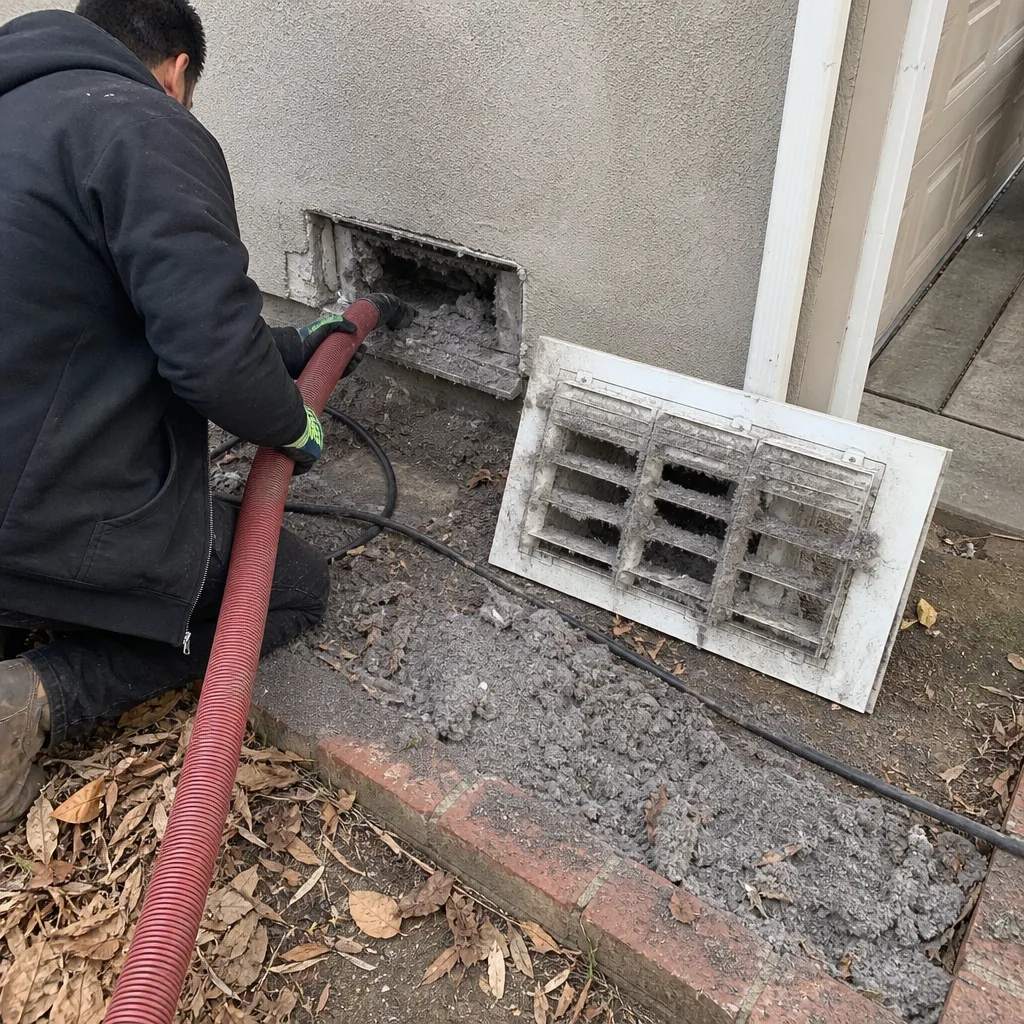 Before
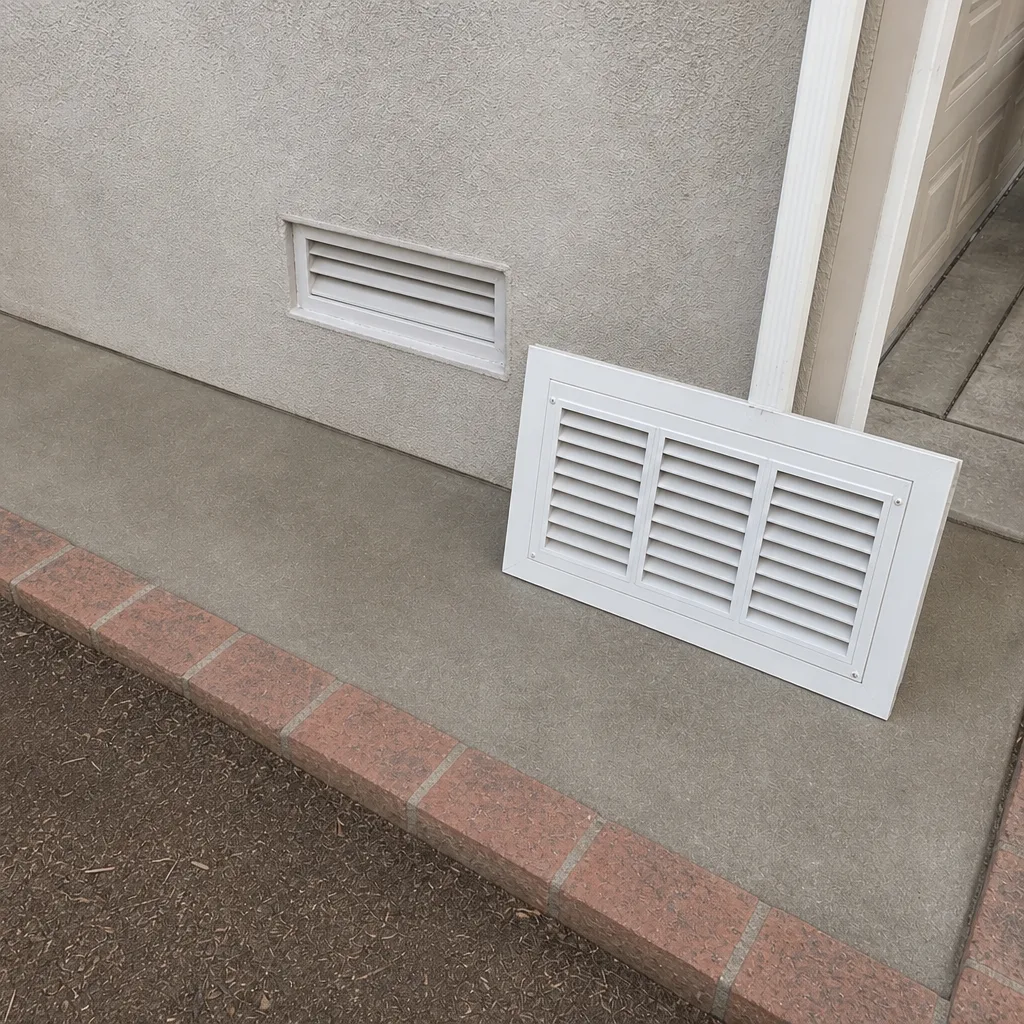 After
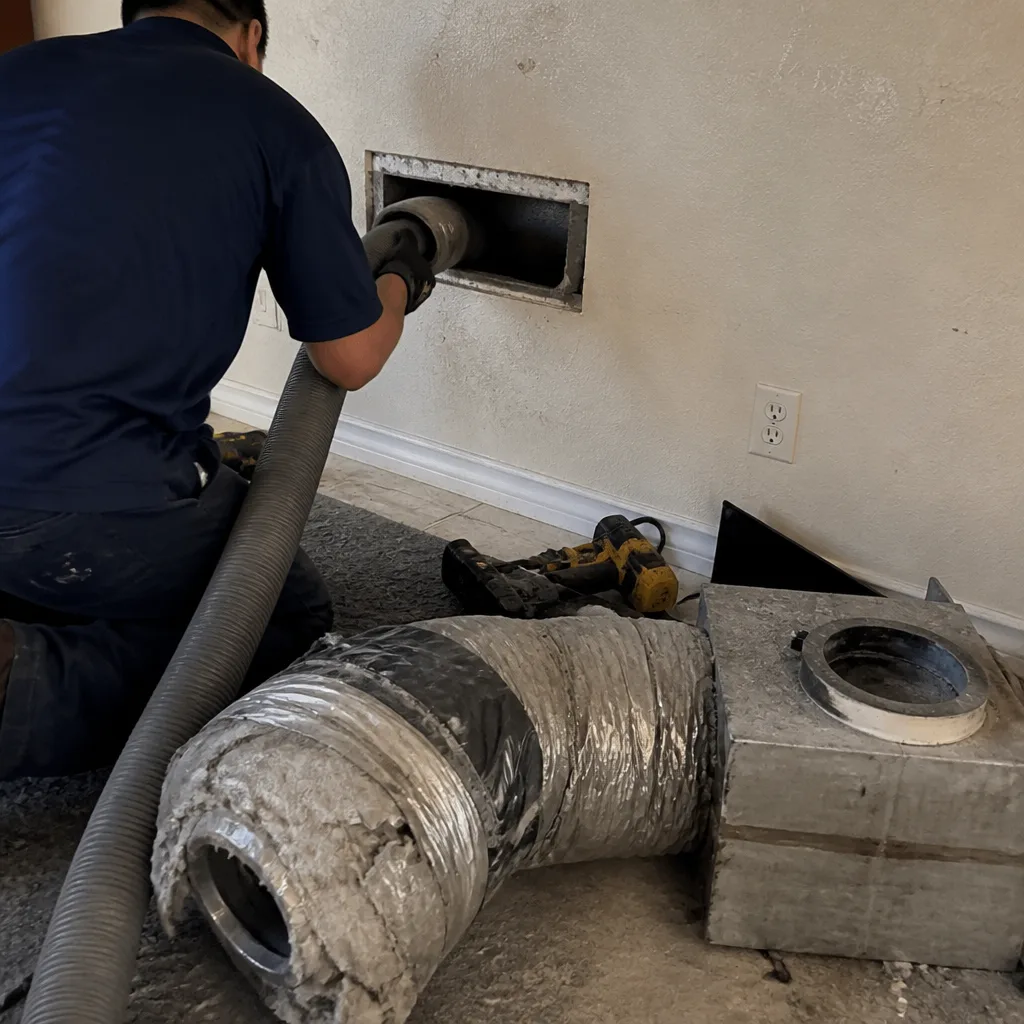 Before
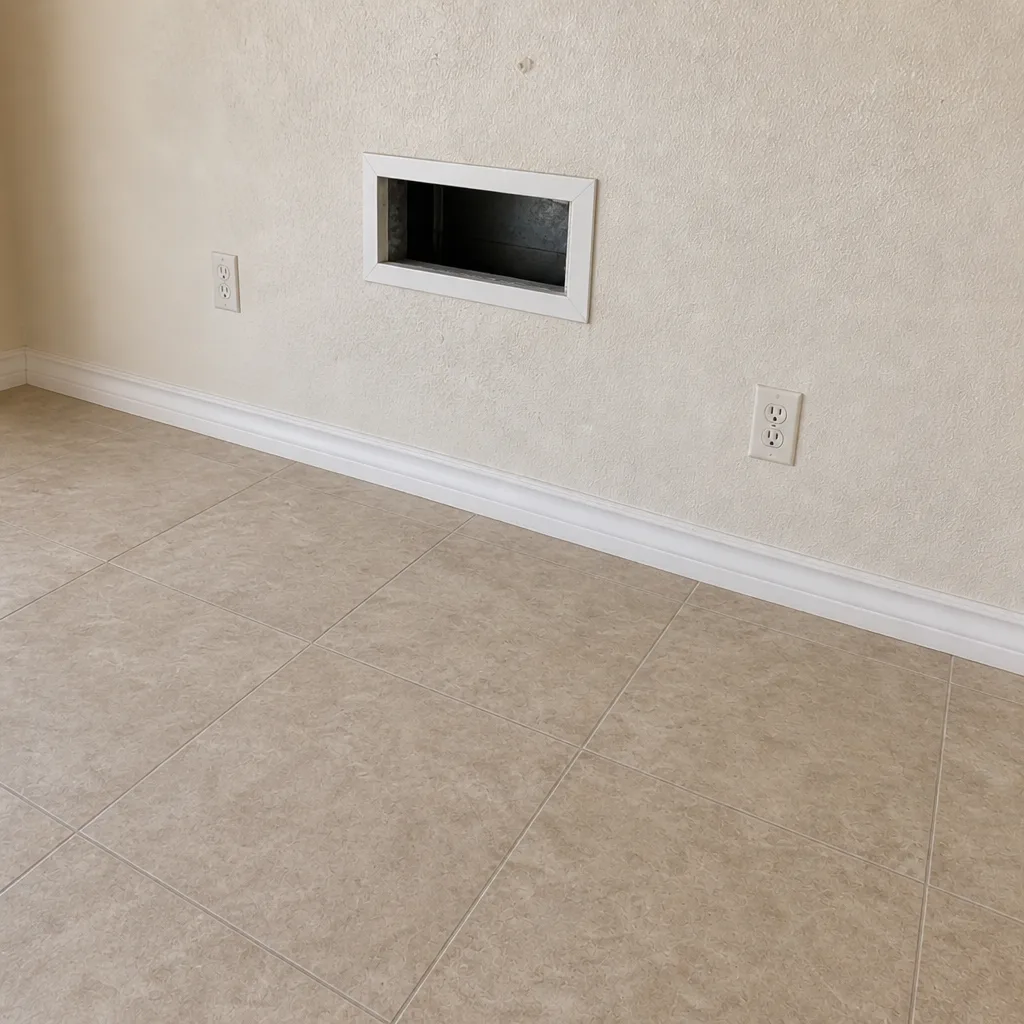 After
 Before
 After
Frequently Asked Questions
Most Roseville homes fall into a typical whole-system range that depends on square footage and number of registers. We won’t quote a per-vent price or a teaser coupon figure, because those numbers rarely survive contact with the actual job. Give us a call at (855) 473-9048 and we’ll set an appointment for a free written estimate – that written estimate is the final price.
Almost always because the equipment and process are lighter than what a proper cleaning requires. A quote that doesn’t include brush-contact dislodging, HEPA extraction, and negative-pressure containment is not doing the same job. Ask specifically what equipment gets used, and whether negative pressure holds the entire system during cleaning. That question alone will sort the offers quickly.
Grille cleaning is legitimate maintenance and it does help – it captures coarse debris before it reaches the duct runs. But grilles are a few percent of the surface area of your system. If your ducts are genuinely contaminated beyond surface dust, grille cleaning won’t solve it. It’s a great habit between professional cleanings, not a substitute.
For most well-maintained Roseville homes with good filtration and clean registers, every few years is reasonable. Homes with pets, recent remodeling, allergy concerns in the household, or visible contamination may need it more often. There’s no fixed rule – signs in the ducts and symptoms in the home are what should trigger a cleaning, not the calendar.
Ask for before-and-after photos of your own ducts, not stock photos. Any professional job should show you the actual interior of the ducts you’re paying to have cleaned. At Duct Cleaning Roseville, before-and-after photos of your system are part of the job. If a contractor won’t show you the inside of your ducts, ask why.
Yes – the between-cleanings routine in this guide is the highest-value DIY effort you can make. Quarterly grille washing, filter swaps on schedule, and annual dryer vent lint clearing to the first bend do more to extend the interval between professional cleanings than any single heroic duct cleaning attempt. For Roseville homes in particular, staying on top of filters during spring and fall pollen season makes a visible difference. Call (855) 473-9048 for an exact quote – estimates are free.
The Bottom Line
DIY duct cleaning handles a narrow slice of real contamination cases – grilles, filters, dryer vent lint to the first bend, exterior vent caps, and a single weak register. That slice is worth doing, and doing well. It isn’t a substitute for professional cleaning when the situation calls for it, and the reason is physics, not marketing. The gap between a shop vac at 100 CFM and a Nikro HEPA collection unit at 1,500 to 2,000 CFM with negative-pressure containment is the difference between debris being displaced and debris being removed. Once homeowners understand that line, they make honest decisions about their own homes. A hybrid approach – careful DIY maintenance between professional cleanings – is the most cost-effective and health-protective path for most Roseville homes. When in doubt, ask before you turn on the shop vac.
Duct Cleaning Roseville offers free estimates in Roseville. Call (855) 473-9048. We answer 24/7. Fast dispatch from 7am to 7pm, Sunday through Friday. Our technicians have up to 9 years of experience, and we work with the equipment brands that actually make a difference to your indoor air quality – Nikro, Rotobrush, Abatement Technologies, Honeywell, and Aprilaire.
Written by the team at Duct Cleaning Roseville.