
Last updated November 14, 2026
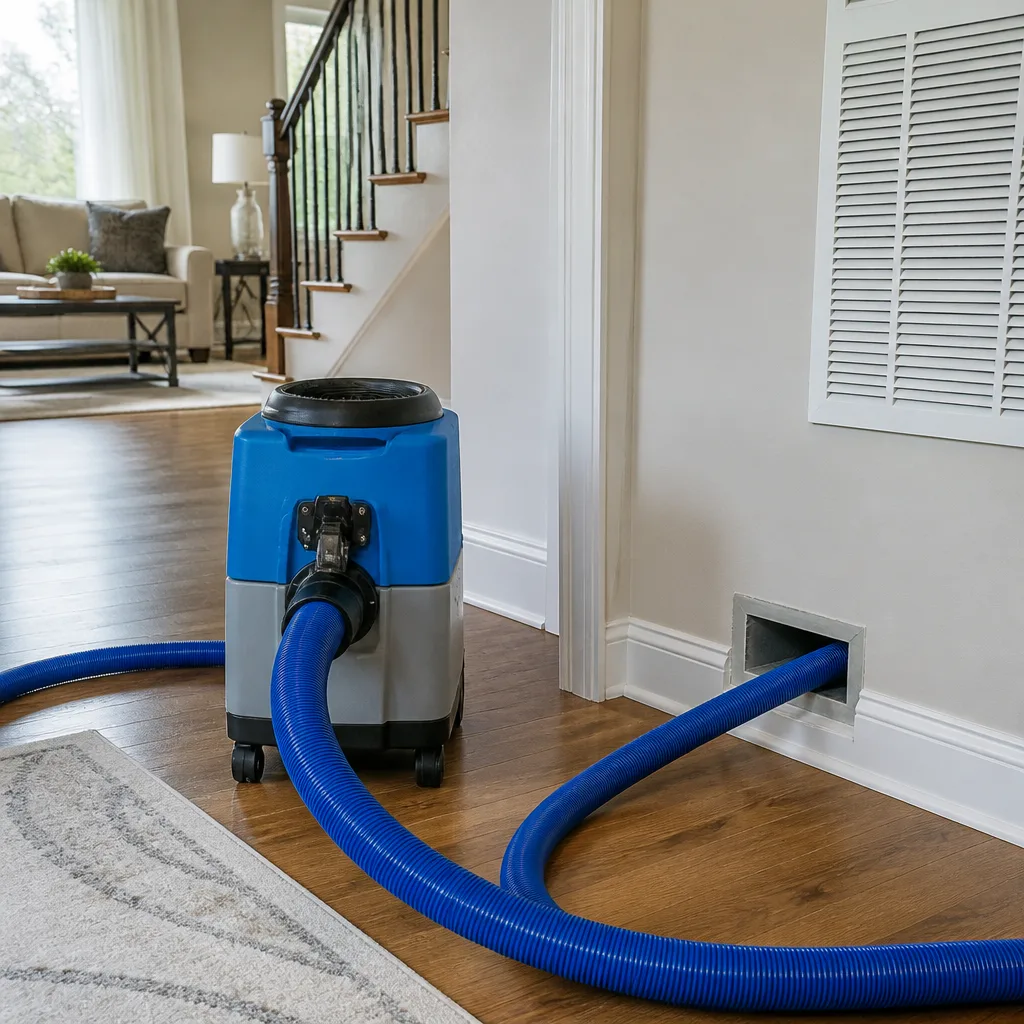 Whole-home duct cleaning
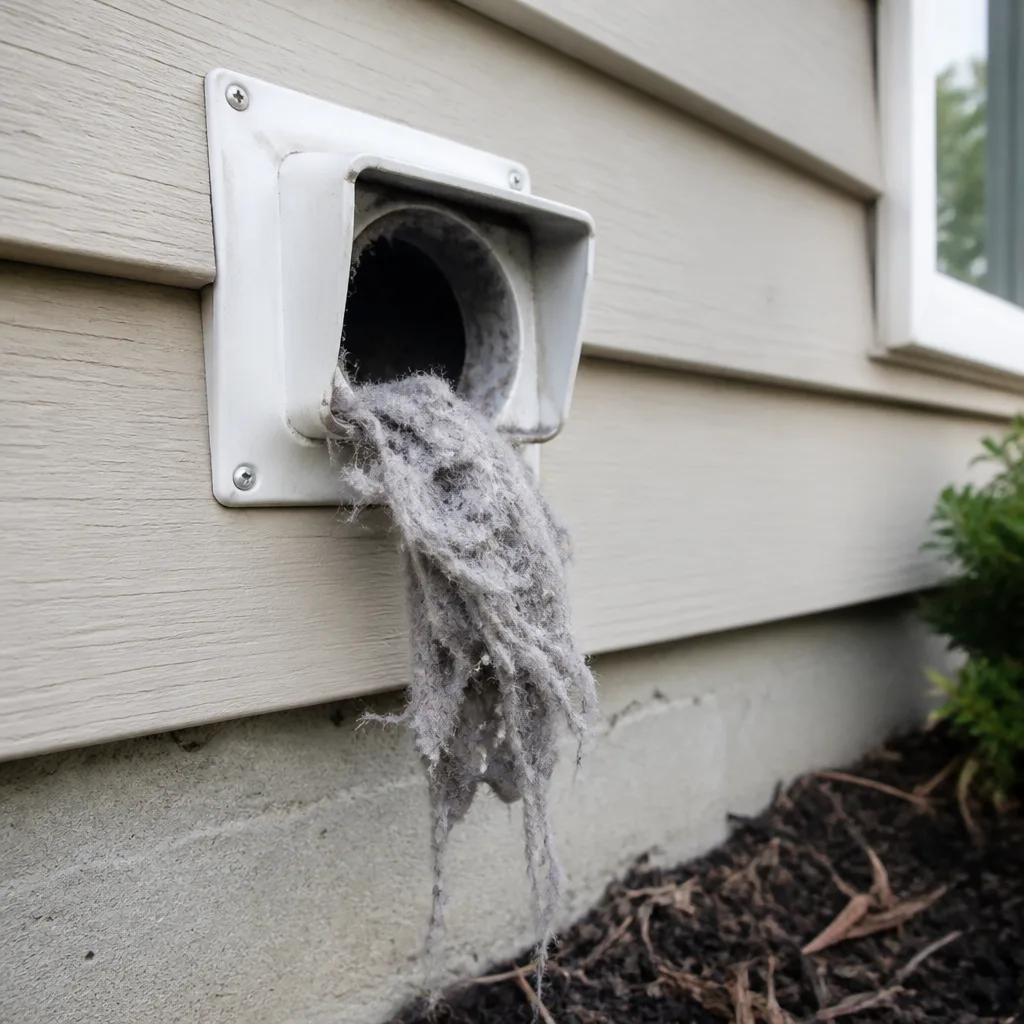 Dryer vent cleaning
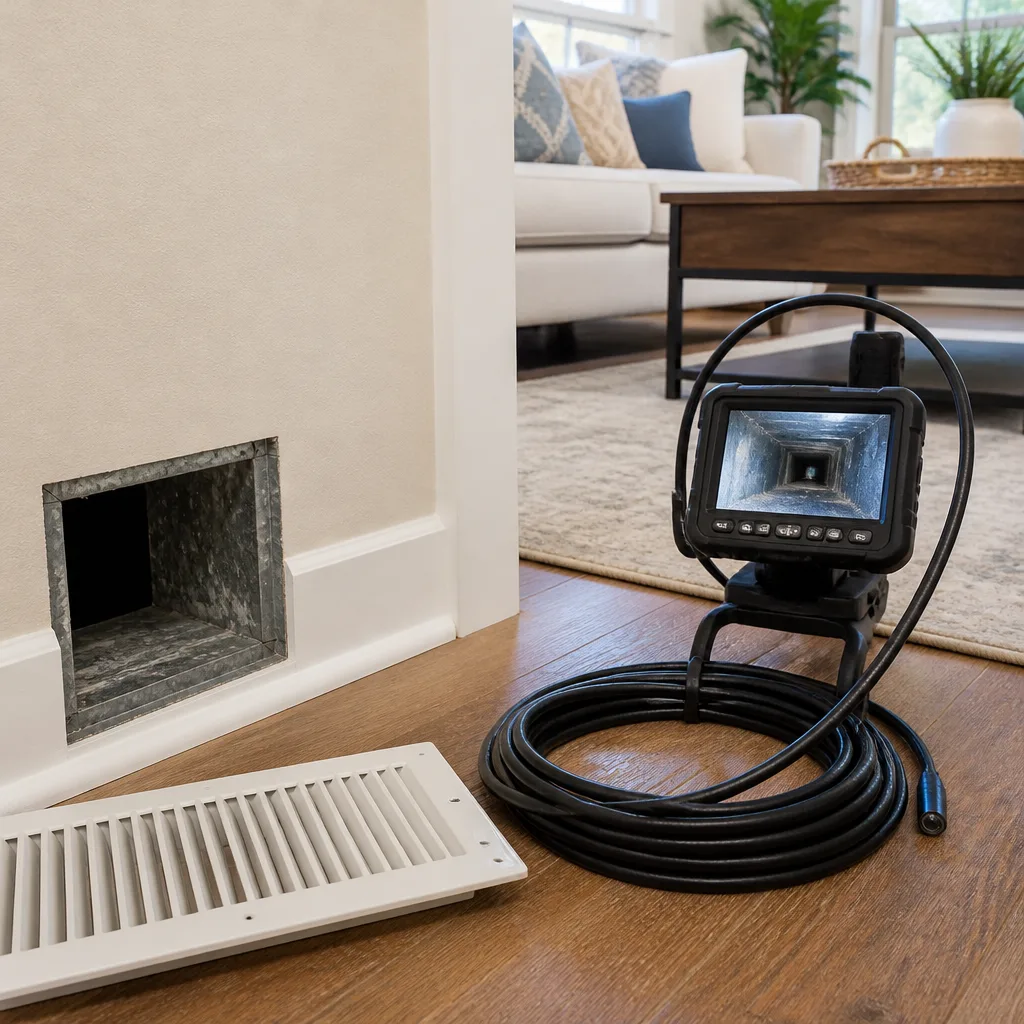 Camera inspection
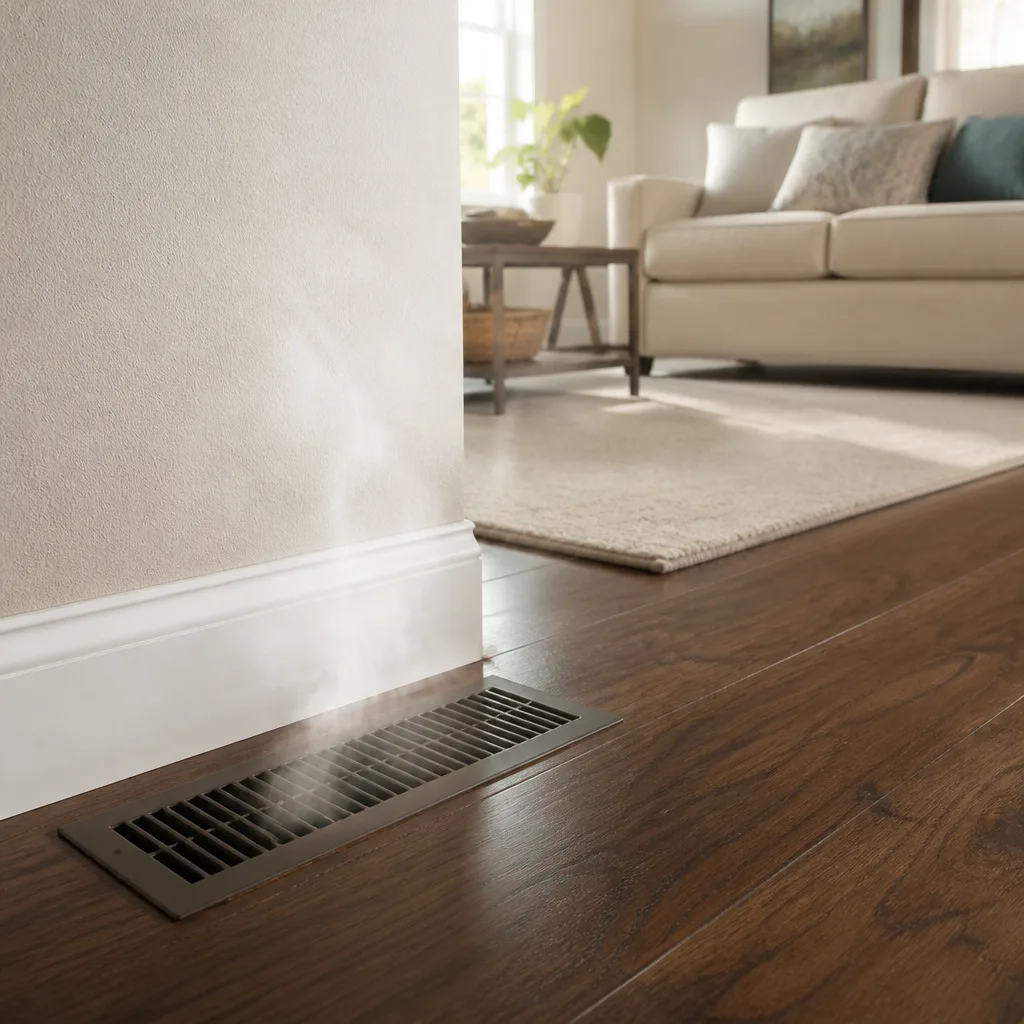 Sanitizing & deodorizing
Whole-system duct and dryer vent check with before-and-after photos - you see exactly what came out of your vents
That "$99 whole-house special" is a bait ad - the real number appears once they are in your hallway, or the "clean" is a shop-vac at the register. We photograph the inside of your ducts before and after instead.
How to Hire an Air Duct Cleaning Contractor in Roseville: A Step-by-Step Guide
Any contractor can say they use “HEPA filtration.” The real question is whether the vacuum collection unit is rated for the CFM your duct system actually requires, and almost no homeowner knows to ask it. That single gap is where the low-bid operators live. Roseville has plenty of companies that will show up with a shop vac and a spinning brush, charge a coupon price, and leave your ducts barely touched. This guide gives you the specific equipment benchmarks, interview questions, and quote-structure checks to tell a genuine duct specialist from a pressure-washer-and-vacuum operation, step by step.
Quick Answer
To hire an air duct cleaning contractor in Roseville, verify three things before you book: the equipment (ask for the vacuum unit’s CFM rating, the agitation method for flex versus sheet metal, and whether negative pressure is held the entire job), the quote structure (pricing should reflect supply/return count and linear footage, not a flat “whole house” rate), and the credentials (current local licensing and liability insurance matter more than a national association badge). Ask for a before-and-after walkthrough on the day of the work so you can verify scope with your own eyes. A qualified contractor answers all of this without hesitation.
Styles & brands we work with
- Whole-home duct cleaning
- Dryer vent cleaning
- Camera inspection
- Sanitizing & deodorizing
Table of Contents
- Why the Roseville Duct Cleaning Market Is Lightly Regulated
- The Equipment Questions That Separate Specialists From Pretenders
- Understanding CFM Ratings and Negative Pressure
- How to Evaluate a Quote Structure
- What NADCA Membership Verifies (and What It Doesn’t)
- The Job-Day Walkthrough a Qualified Contractor Should Offer
- Step-by-Step: Vetting a Contractor Before You Book
- Common Mistakes to Avoid
Why the Roseville Duct Cleaning Market Is Lightly Regulated
Duct cleaning sits in an unusual regulatory gap. Unlike electrical work or gas line installation, most jurisdictions don’t require a specialized license to clean ductwork, which means the barrier to entry is a vacuum and a vehicle. In a growing market like Roseville, where subdivisions keep expanding and homeowners are actively searching for air quality help, that low barrier attracts operators who bought consumer-grade equipment and learned the trade from a YouTube video.
The practical consequence is that price alone tells you almost nothing. Two quotes that look identical on paper can represent completely different work: one team running a truck-mounted HEPA system with negative-air containment, the other dragging a wet/dry vac and a drill brush through your supply trunks. The homeowner sees the same invoice number and assumes the same result.
Here’s what regulation doesn’t do for you in Roseville, and what you have to check yourself:
- Licensing – A general business license doesn’t prove duct expertise. Ask what specific certifications the crew holds and whether the technicians have hands-on training with the equipment they bring.
- Insurance – Confirm current liability coverage in writing. A crew working inside your home and on your roof-adjacent vents should be insured, full stop.
- Equipment capital – Professional systems cost real money. A contractor who invested in Rotobrush brush-agitation and a Nikro HEPA vacuum has skin in the game; a shop-vac operator does not.
- Scope discipline – A company that offers duct cleaning as an add-on to HVAC installation has divided attention. A specialist focused on cleaning, dryer vent cleaning, and repair brings depth to each.
Roseville’s climate adds a wrinkle. Hot, dry summers mean your system runs hard for months, pulling dust, pollen, and construction debris through the same ductwork day after day. Mild winters mean the system rarely gets a long break. That sustained runtime compacts debris faster than in climates with gentler cooling seasons, so the quality of the cleaning matters more here, not less. We’ve seen plenty of Roseville homes where a previous “cleaning” left the trunk lines nearly as dirty as before because the equipment couldn’t dislodge what had settled.
The Equipment Questions That Separate Specialists From Pretenders
Three equipment names are worth knowing when you interview a contractor in Roseville: Rotobrush, Nikro, and Abatement Technologies. Their presence on the job tells you the company made a real capital investment and trained technicians to run professional-grade systems. Here’s what each does and why it matters.
Rotobrush: Brush-Agitulation Cleaning
Rotobrush systems use a rotating brush head on a flexible shaft to physically dislodge compacted debris from inside duct walls. This is the industry benchmark for brush-contact cleaning because it reaches the surfaces a vacuum alone can’t lift. Ask specifically whether the contractor uses brush agitation on sheet metal runs, and how they adapt the method for flex duct (which requires gentler, lower-RPM contact to avoid tearing the liner).
Nikro: HEPA-Rated Vacuum Extraction
Nikro vacuum units are rated to capture particles down to 0.3 microns, which means contaminants leave the duct and get trapped in the collection unit rather than getting stirred into your living space. This is the part most homeowners never verify. A vacuum that agitates debris without true HEPA filtration just redistributes it. Ask for the unit’s filtration rating and its CFM rating, and ask whether the collection system is sealed to the duct during the entire job.
Abatement Technologies: Negative-Air Containment
Abatement Technologies builds negative-air and containment equipment, the same technology used in commercial mold and contaminant remediation. When a residential contractor brings that standard to a home job, it means the work area stays under negative pressure so loosened debris can’t escape into your rooms. That’s a rare standard for a residential service, and it’s the difference between a cleaning that protects your indoor air and one that temporarily worsens it.
One more name worth knowing: Duct Cleaning Roseville carries and services Honeywell and Aprilaire air quality products, so filtration health can be assessed alongside the cleaning. Beyond the confirmed brand list, if a contractor can’t name their equipment at all, that’s your answer.
Understanding CFM Ratings and Negative Pressure
CFM stands for cubic feet per minute, and it’s the measure of how much air a vacuum system can actually move. A duct system sized for a Roseville home with multiple returns and long trunk runs needs a collection unit with enough CFM to maintain suction across the entire network, not just at the point where the hose connects. Most homeowners never ask, which is why low-bid operators can get away with underpowered equipment.
Negative pressure is the second half of the equation. The idea is to keep the duct system under a slight vacuum relative to the room so that when debris is dislodged, it travels toward the collection unit instead of leaking out of seams, register boots, or joints. It has to be maintained for the entire job, start to finish. If a contractor only pulls negative pressure for part of the cleaning, the rest of the work is essentially open-air agitation.
Here’s what to ask, and what a straight answer sounds like:
- “What’s the CFM rating of your vacuum unit?” – A professional will know the number or find it on the unit. A vague answer (“it’s a strong one”) is a red flag.
- “How do you maintain negative pressure throughout the job?” – The answer should reference sealing the system, running the vacuum continuously, and containment at the work area. Abatement Technologies-style negative-air equipment shows they understand this.
- “Do you use different agitation for flex duct versus sheet metal?” – Flex duct has a thin inner liner that aggressive brushing can tear. Sheet metal tolerates more contact. A contractor who treats them the same is either inexperienced or rushing.
- “How do you capture particles downstream of the brush?” – HEPA-rated extraction with a 0.3-micron rating is the benchmark. Rotobrush agitation plus Nikro HEPA collection is the combination that actually removes debris rather than moving it around.
These questions do two things. They get you a real answer, and they signal that you know what you’re asking about, which changes how the contractor approaches the job. In our experience, the crews who can answer all four cleanly are the ones who show up with the equipment to back it up.
How to Evaluate a Quote Structure
The structure of a quote tells you more than the number on it. Legitimate duct cleaning pricing is based on the size and complexity of the system you actually have: how many supply runs, how many returns, how many linear feet of duct, and what kind of duct material is present. A flat “whole house” rate that ignores all of that is the first sign of either a bait-and-switch operation or a job that won’t be done properly.
Why does it matter? A Roseville home with three returns and twenty-plus supply runs is a very different job from a small single-story with two returns and eight supplies. A flat rate either overcharges the small job or underprices the large one, and an underpriced job gets rushed. When a quote comes in low, one of two things happens: the technician finds “extra work” to raise the invoice once on site, or the crew cleans the easy-to-reach runs and skips the rest.
A well-structured quote should include:
- Supply and return count – The number of each, verified by walkthrough, not estimated over the phone.
- Linear footage – How much ductwork is being cleaned, which should inform the price range.
- Duct material – Flex, sheet metal, and rigid duct require different methods; the quote should acknowledge this.
- Scope of agitation and extraction – The quote should say brush plus HEPA, not just “vacuum.”
- Repair scope, if needed – Sealing or repairing damaged sections can be quoted separately, and a specialist who offers air duct repair as a standalone service means you don’t have to hire a second HVAC contractor after cleaning.
When you compare two quotes, look at the line items. The lowest number is rarely the best value, and the highest isn’t automatically the most thorough. What you want is a quote that reflects your actual system, has room for a repair scope if the walkthrough reveals it, and names the equipment being used.
What NADCA Membership Verifies (and What It Doesn’t)
NADCA, the National Air Duct Cleaners Association, sets industry standards and offers certification for duct cleaning technicians. Membership and certification are meaningful signals, but they’re not the whole picture, and treating a badge as sufficient is a common mistake. Here’s the honest breakdown.
What NADCA certification verifies:
- That the company or technician has met a baseline standard of industry knowledge through assessment.
- That the company adheres to a published code of ethics around competent work and honest assessments.
- That they’re at least aware of industry-recognized cleaning methods and standards.
What it doesn’t verify:
- That the equipment actually used on your Roseville home is professional-grade. A certified company can still send a crew with inadequate equipment.
- That the company is properly licensed and insured in your jurisdiction. Those are separate, local requirements, and they matter more on a job that involves opening your duct system and working inside your home.
- That the quote you receive is based on real system size rather than a flat rate designed to close the sale.
- That the technician on your job has hands-on training with the specific brands in use.
So NADCA membership is a good filter, but it’s not a substitute for the equipment and quote questions above. In Roseville, where licensing and insurance are the ones you can actually verify, check those directly. Ask for the certificate of insurance, ask about the specific license, and ask the equipment questions regardless of what badges a company displays. A national association badge on a website doesn’t clean a duct; a certified technician with real equipment does.
For an overview of how a proper job should go, see our air duct cleaning page, which walks through the supply-and-return process from the homeowner’s side.
The Job-Day Walkthrough a Qualified Contractor Should Offer
A qualified contractor should offer to walk the system with you before the work begins and again after it’s complete. This isn’t a courtesy; it’s your verification mechanism. On a job where the work happens inside sealed ductwork, the walkthrough is how you confirm scope with your own eyes rather than taking the contractor’s word for it.
Here’s what a proper job-day walkthrough looks like:
- Pre-work walkthrough – Before any equipment runs, the technician shows you the register locations, the return grilles, and the main trunk lines. You note the condition at each point (visible dust, debris, contamination). The technician explains the plan: which runs get brush agitation, how the HEPA vacuum connects, where the containment goes.
- Confirmation of scope – You compare what’s being done against the quote. If the walkthrough reveals repair needs (a torn flex liner, a disconnected joint, a crushed section), the technician quotes the repair scope separately and you agree before any work starts.
- Mid-job check, if you want one – You’re not obligated to watch every minute, but a contractor should be comfortable with you checking on progress. The equipment in use should be the equipment named in the quote.
- Post-work walkthrough – The technician walks the same registers and returns with you and shows the result. Then you get before-and-after photos of the actual ducts in your home, not stock images. This is how you verify the work was done at the scope you paid for.
- Debris and material disposal – The collection unit is emptied off-site; no debris gets dumped in your yard or driveway. Confirm this before the job if it matters to you.
In our experience, the walkthrough is where a lot of low-bid jobs fall apart. The equipment on arrival doesn’t match the quote, the technician isn’t prepared to show the ducts mid-job, and the post-work verification is a verbal “all done.” A real specialist welcomes the scrutiny because the work holds up.
Step-by-Step: Vetting a Contractor Before You Book
Use this sequence to evaluate any duct cleaning contractor in Roseville before you commit. Each step produces a clear pass or fail.
- Verify licensing and insurance first. – Ask for the business license number and a current certificate of liability insurance. Verify both directly with the issuing agency if you can. If either is missing or vague, stop.
- Ask the equipment questions. – Get specific answers: the vacuum CFM rating, the agitation method for flex and for sheet metal, whether HEPA extraction is rated to 0.3 microns, and whether negative pressure is maintained throughout. Reference Rotobrush, Nikro, and Abatement Technologies by name and see if the contractor recognizes what you’re asking.
- Request a quote structure that reflects your system. – Provide your supply and return count during a walkthrough request. If the contractor quotes a flat rate without seeing the system, ask why.
- Ask about repair scope. – If cleaning reveals damaged ductwork, can the contractor handle the repair, or do you need to hire a separate HVAC company? A specialist who offers air duct repair standalone saves you a second call and a second risk.
- Confirm the job-day walkthrough and photo documentation. – A professional offers both without being asked. If before-and-after photos of your actual ducts aren’t part of the process, that’s a gap.
- Check whether the quote is written and itemized. – The written estimate sets the final price. The number on the phone should match the number on the invoice; if “unexpected work” shows up mid-job, the repair scope should be quoted and approved separately before it’s done.
- Check what else they do. – A duct specialist focused on cleaning, dryer vent work, and repair is more likely to bring depth to each job than a general HVAC company adding duct cleaning as an afterthought. Honeywell and Aprilaire filtration familiarity is a plus if your system uses those products.
For a closer look at how we approach this standard of work in the Roseville area, see our Roseville page, or call (855) 473-9048 to schedule a walkthrough. Estimates are free.
Common Mistakes to Avoid
- Booking on price alone. The lowest quote usually reflects the equipment, not the work. A shop-vac-and-brush job on a Roseville home with multiple returns and long trunk runs won’t reach the compacted debris, and you’ll be re-booking within the year.
- Skipping the CFM question. A vacuum unit that can’t move enough air for your system will leave debris behind no matter how long the technician works. This question takes ten seconds and saves a wasted job.
- Assuming “HEPA” means containment. HEPA filtration in the collection unit captures particles, but negative pressure during the entire job prevents them from escaping into your living space. Both matter; ask about both.
- Accepting a flat “whole house” quote. This structure ignores your actual system size. It either overcharges the small job or underprices a large one, and underpriced jobs get rushed or partially cleaned.
- Overweighting a national association badge. NADCA membership is a useful filter but doesn’t confirm your local licensing, your insurance coverage, or the equipment that shows up on site. Verify all of it.
- Skipping the pre-work walkthrough. If the contractor isn’t willing to show you the ducts before the work, there’s no baseline for the post-work comparison and no way to verify scope.
- Ignoring the dryer vent. Lint-clogged dryer vents are a fire risk and a separate concern from your duct system. Ask whether the contractor handles dedicated dryer vent cleaning; it’s a focused trade, not a side job.
See the difference
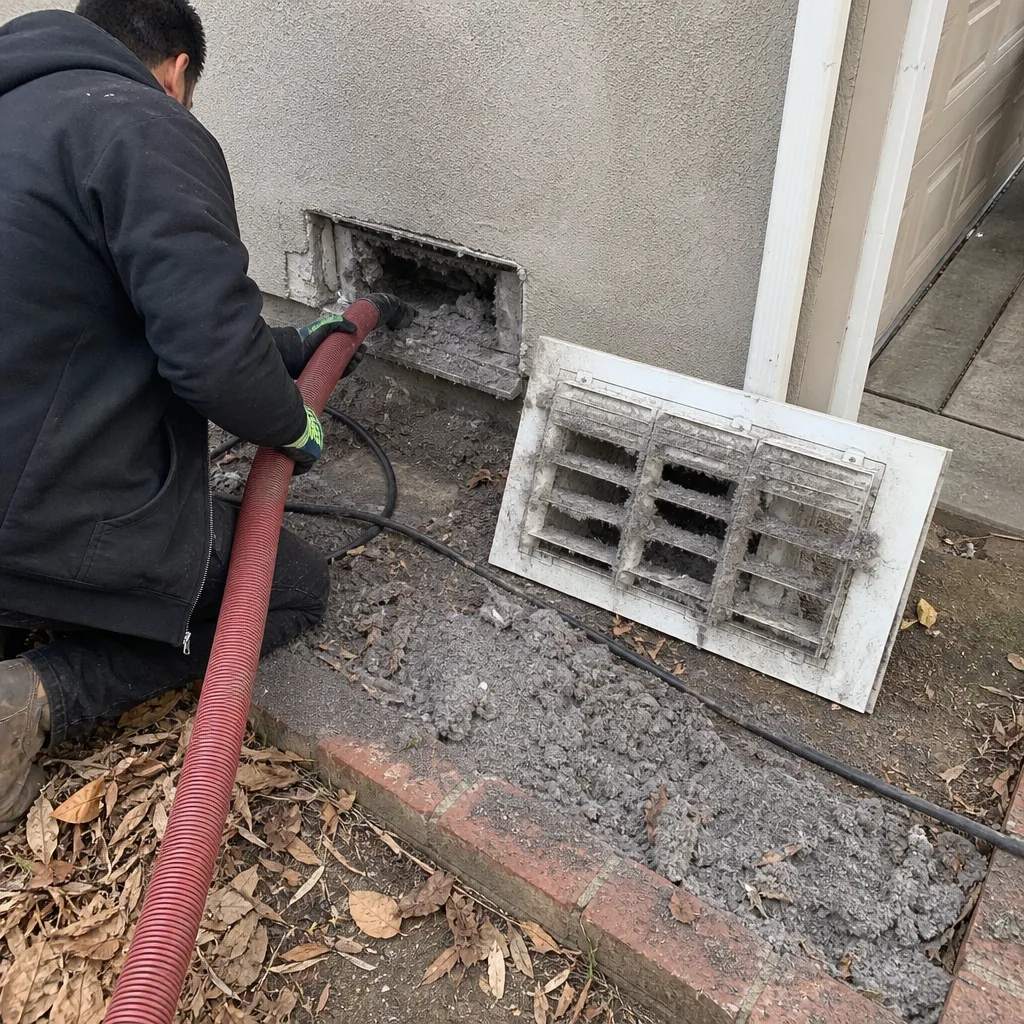 Before
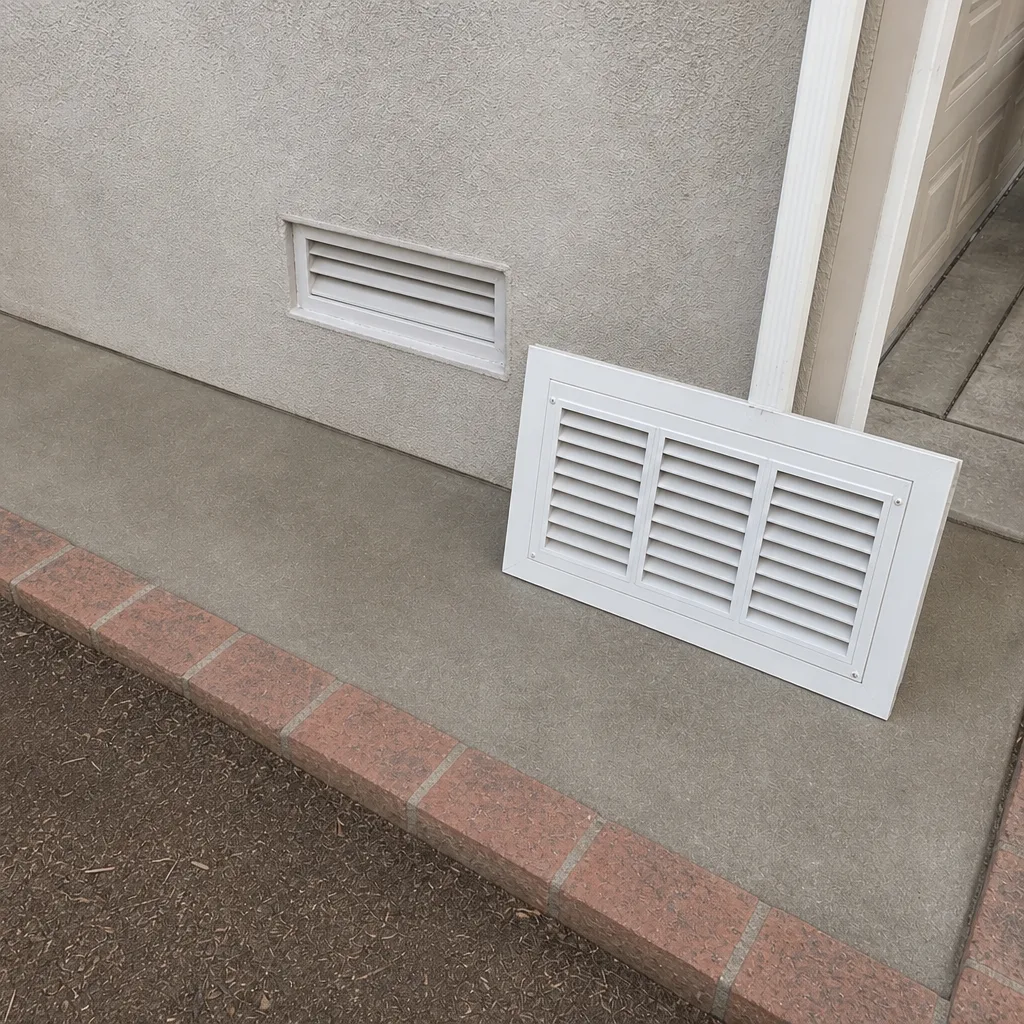 After
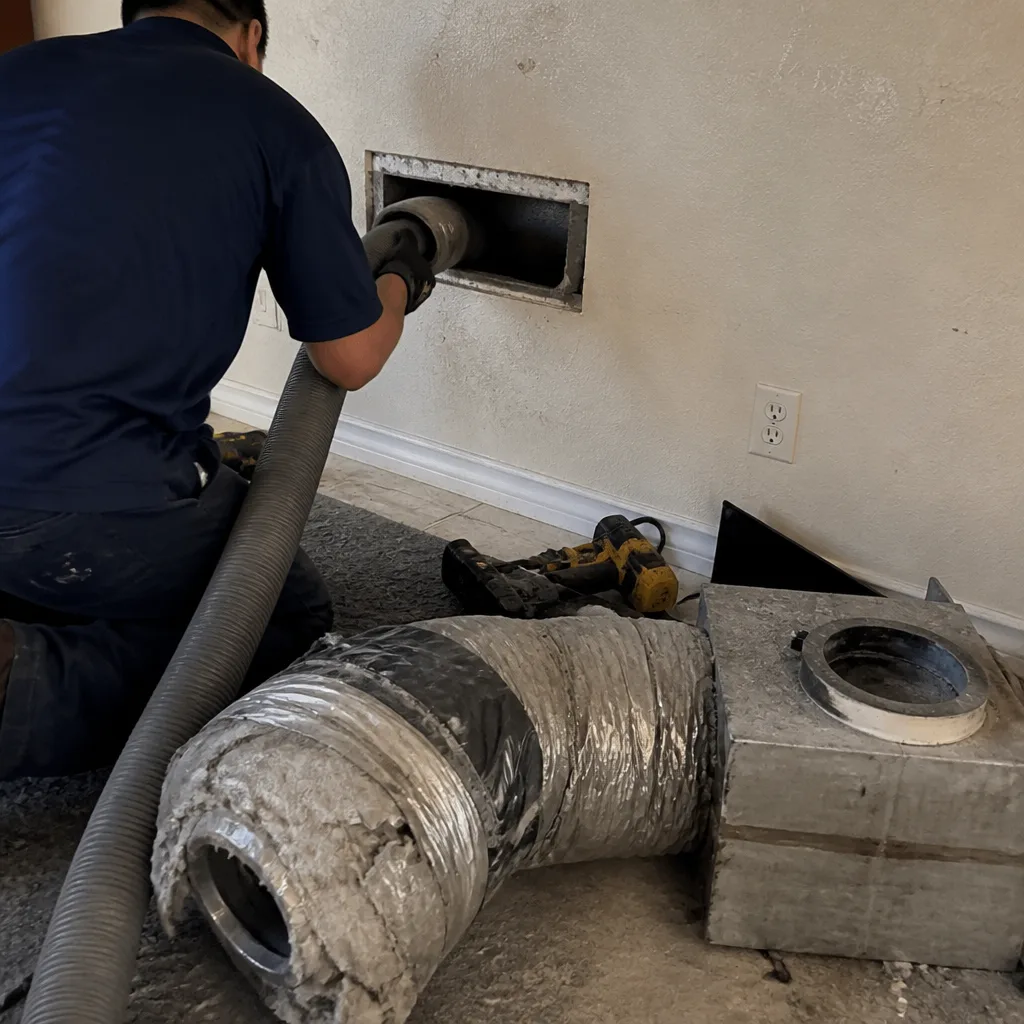 Before
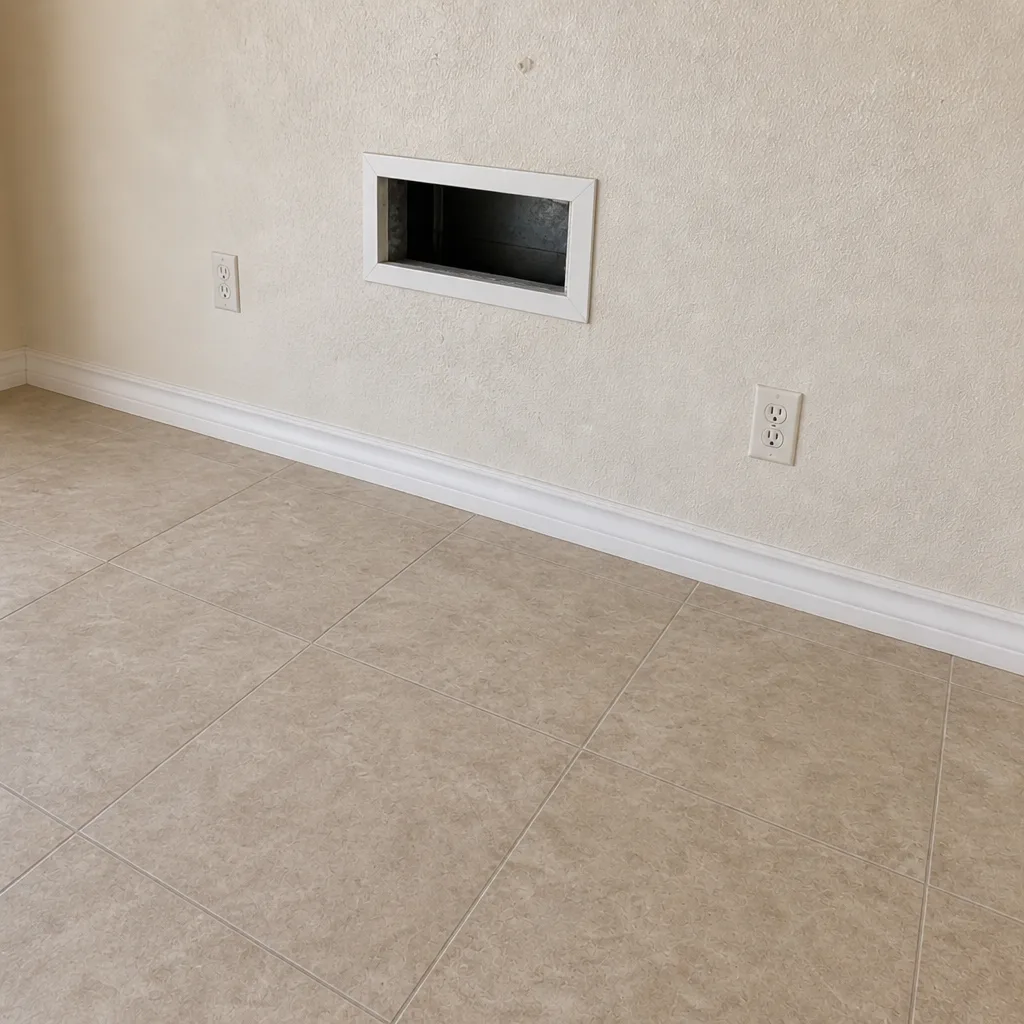 After
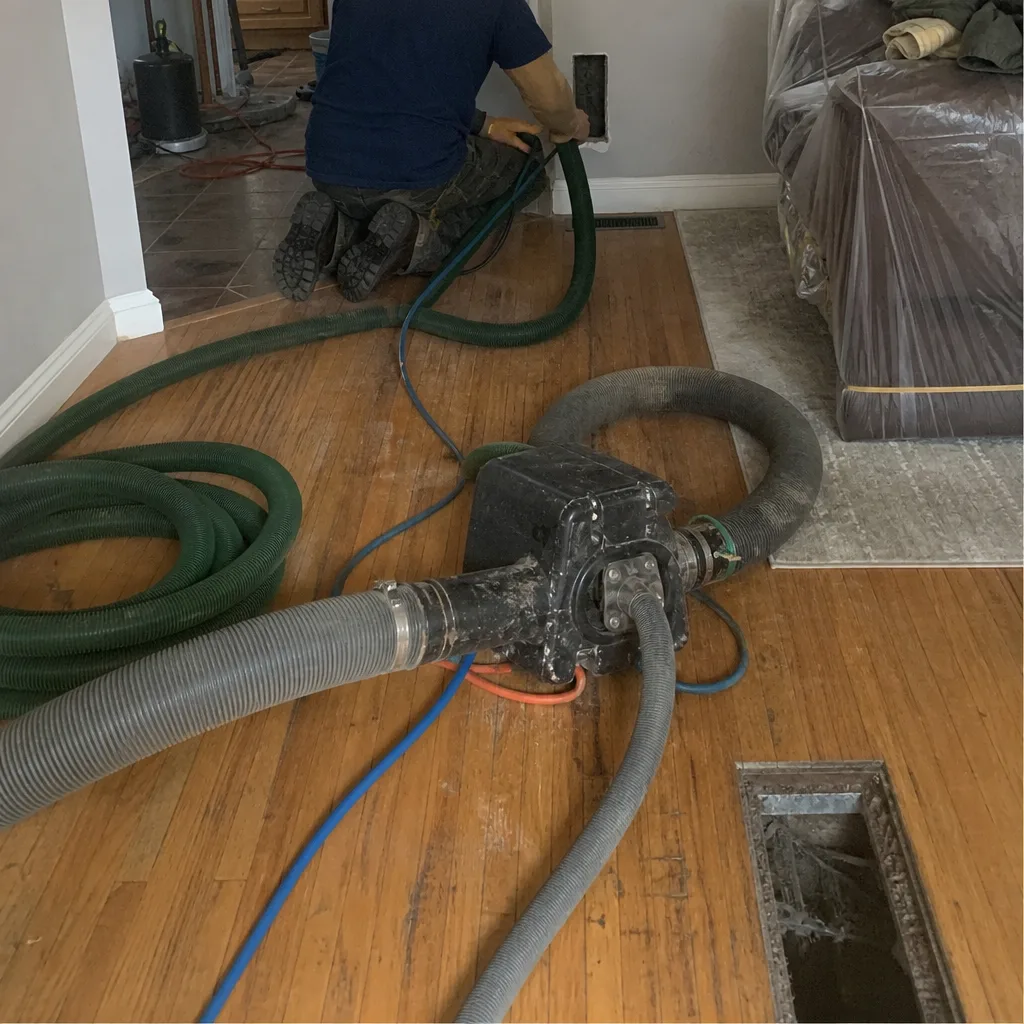 Before
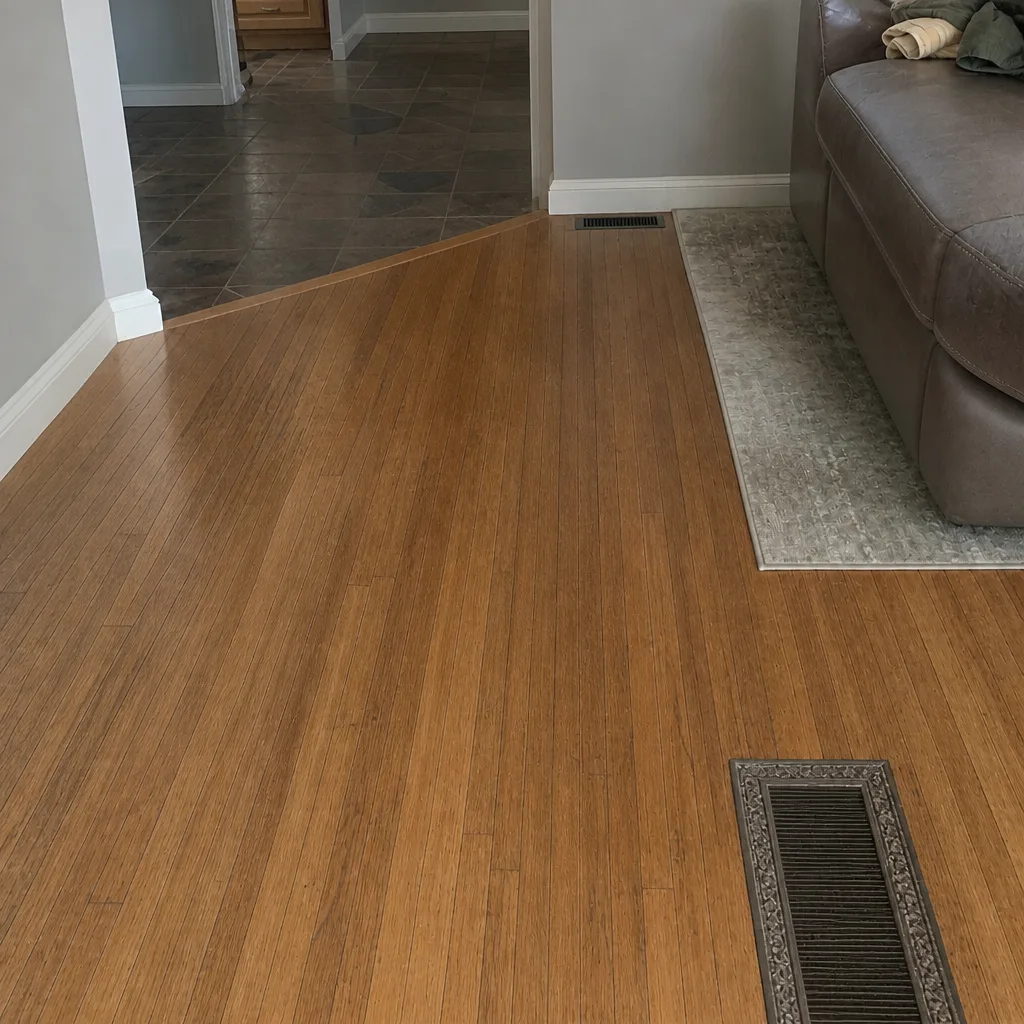 After
When to Call a Professional
Some duct conditions aren’t worth waiting on. If you’re seeing visible dust puffing from a register when the system kicks on, if a musty smell appears only when the HVAC runs, if airflow is uneven room to room, or if your dryer has stopped fully drying clothes in a normal cycle, those are signs to get a professional assessment rather than an online “duct cleaning” coupon that ignores your system’s actual size. In Roseville, hot dry summers push systems hard and debris settles fast; a cleaning done right once saves you from repeating it. Our technicians have up to 9 years of experience and use Rotobrush, Nikro, and Abatement Technologies equipment, and we offer air duct repair as a standalone service so a damaged section doesn’t require a second contractor. Duct Cleaning Roseville offers free estimates in Roseville; call (855) 473-9048. We answer 24/7, with fast dispatch from 7am to 7pm, Sunday through Friday.
Frequently Asked Questions
It depends on your system size: supply and return count, linear footage, and duct material all drive the range. A written estimate based on a walkthrough is the only reliable price, and it should itemize those factors. Call (855) 473-9048 for an exact quote; estimates are free.
Because the equipment and the scope are different. A low quote usually reflects a shop-vac-and-brush setup that can’t reach compacted debris or hold containment, while a professional quote reflects brush-agitation plus HEPA extraction equipment and a walkthrough that verifies scope. The cheaper job often means a repeat cleaning sooner. Call (855) 473-9048 for a written estimate you can compare line by line.
Ask for a pre-work walkthrough and before-and-after photos of your own ducts, not stock images. A qualified contractor offers both without being asked. If a company won’t document the scope, that’s the gap to walk away from. Call (855) 473-9048 to schedule a walkthrough.
It depends on your system and household: pets, recent renovation, allergy symptoms, or noticeable dust all point to sooner rather than later. Roseville’s long cooling season keeps systems running hard, which compacts debris faster. A walkthrough assessment will tell you what your system actually needs. Call (855) 473-9048 for a free estimate.
NADCA membership verifies that a company has met a baseline of industry knowledge and adheres to a published code of ethics. It does not verify your local licensing, current insurance coverage, or the equipment used on your job. Check all three directly. Call (855) 473-9048 with questions about our equipment setup.
A specialist offers it as a standalone service, so you don’t need a second HVAC contractor after cleaning. If a walkthrough reveals a torn flex liner or disconnected joint, the repair can be quoted and approved separately before work begins. Call (855) 473-9048 to ask about repair scope.
The Bottom Line
Hiring a duct cleaning contractor in Roseville comes down to three checks: the equipment (CFM rating, agitation method, HEPA extraction, negative pressure), the quote structure (supply/return count and linear footage, not a flat whole-house rate), and the credentials (current local license, liability insurance, and a job-day walkthrough with before-and-after photos). NADCA membership is a useful filter, but it doesn’t substitute for any of those. A specialist who brings Rotobrush brush-agitation, Nikro HEPA extraction, and Abatement Technologies containment to the job, and who offers repair as a standalone service, is the one worth booking. The rest will save you money until they don’t.
Contact us today to schedule your free estimate. Call Duct Cleaning Roseville at (855) 473-9048. We answer 24/7, with fast dispatch from 7am to 7pm, Sunday through Friday. Estimates are free, the price is set per job by the written estimate, and we’ll walk you through the equipment and the scope before any work begins.
Written by the team at Duct Cleaning Roseville.