
Last updated November 14, 2026
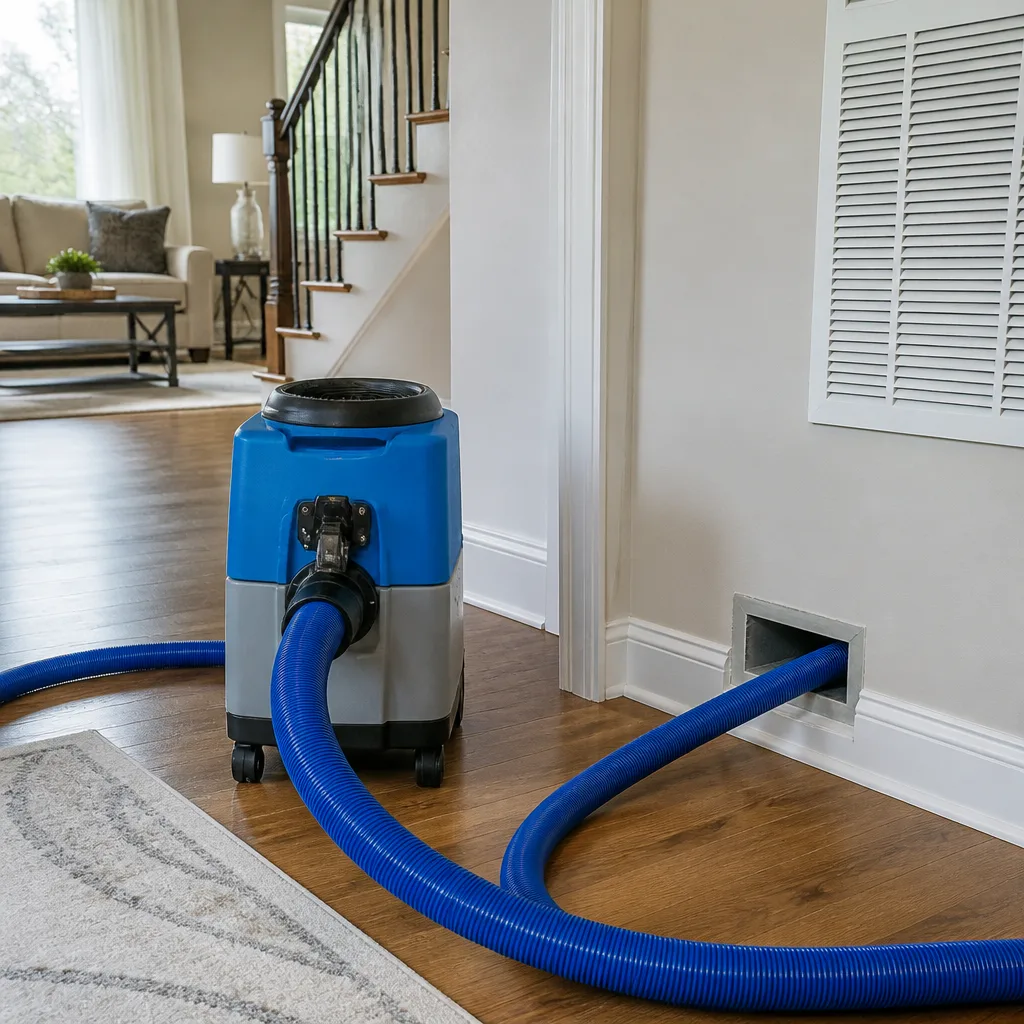 Whole-home duct cleaning
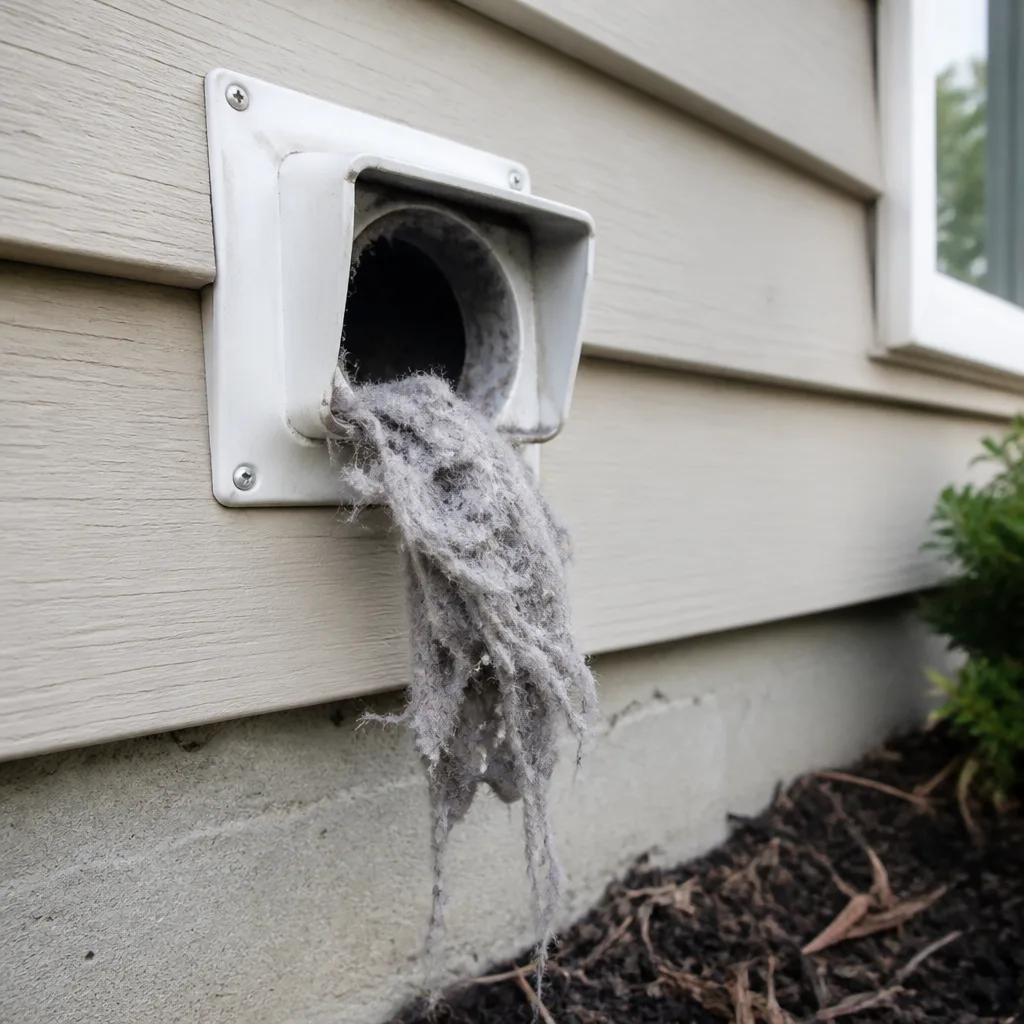 Dryer vent cleaning
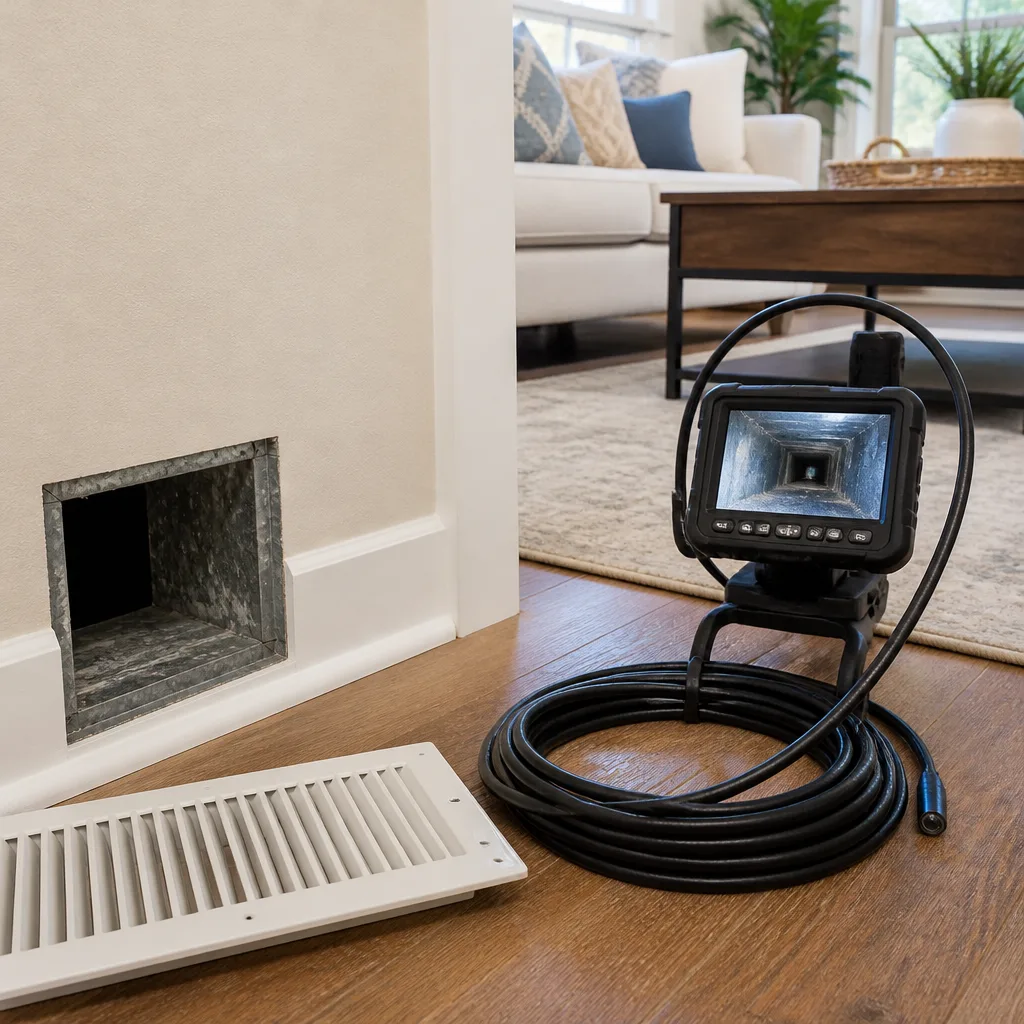 Camera inspection
 Sanitizing & deodorizing
Whole-system duct and dryer vent check with before-and-after photos - you see exactly what came out of your vents
That "$99 whole-house special" is a bait ad - the real number appears once they are in your hallway, or the "clean" is a shop-vac at the register. We photograph the inside of your ducts before and after instead.
Air Duct Cleaning Emergency Preparedness Guide for Roseville Homes
After a multi-day smoke event pushes the air quality index past 200, the instinct is to switch the HVAC to fan only and let the system scrub the house. That instinct backfires if your ducts are already loaded with fine particulate. Running the fan doesn’t filter the house; it re-aerosolizes what’s settled on every interior surface of the ductwork and pushes it back into the rooms you’re trying to protect. Roseville sits in a region where wildfire smoke, public safety power shutoffs, and winter water intrusion all converge, and each one leaves a different fingerprint inside a duct system. This guide covers what to inspect before you restart equipment, what to document for an insurance claim, and where the line falls between a filter change and professional intervention.
Quick Answer
After a wildfire smoke event, flood, or extended power outage in Roseville, inspect the filter and duct interiors before restarting the HVAC, photograph conditions with dates, and call a professional if you find soot deposits, moisture, musty odors, or visible microbial growth. Filter replacement alone is enough for light smoke exposure; cleaning is warranted when particulate has penetrated past the filter or when water entered the system. The 48 to 72 hours after water intrusion are the critical window for preventing microbial growth inside ductwork.
Styles & brands we work with
- Whole-home duct cleaning
- Dryer vent cleaning
- Camera inspection
- Sanitizing & deodorizing
Table of Contents
- Post-Wildfire Smoke Protocol for Roseville Duct Systems
- Reading Filter Loading as a Proxy for Duct Infiltration
- After Water Intrusion: The 48 to 72 Hour Window
- Power Outage Scenarios and Startup Inspection
- Documenting Duct Condition for Insurance Claims
- Emergency Triage: Urgent vs. Standard Scheduling
- What Proper Post-Emergency Cleaning Involves
- Common Mistakes to Avoid
Post-Wildfire Smoke Protocol for Roseville Duct Systems
Smoke from a major fire event doesn’t behave like ordinary household dust. The particles that travel hundreds of miles are the fine fraction, small enough to pass through a standard filter and deposit inside duct walls, on blower wheels, and across the evaporator coil. Roseville’s position in the Sacramento Valley means smoke from fires in the surrounding foothills and coast ranges can settle for days, and the valley inversion layers that hold cooler air near the ground also hold that particulate close to homes. Once it’s inside the system, it doesn’t leave on its own.
Before you restart the HVAC after a smoke event, work through this sequence:
- Photograph the air quality index reading from a local monitor on the day of the event and again once conditions clear. You’ll want those dates later.
- Check the filter first. A filter that’s visibly gray or blackened after a smoke event has done its job and needs replacement before any runtime.
- Smell the supply registers in each room. A faint campfire smell at the vents often means smoke has bypassed the filter and settled in the trunk line or branch ducts.
- Look inside one supply register with a flashlight. Soot streaking on the boot or the first few inches of duct is a signal that cleaning is warranted, not just a filter swap.
- Hold off on “fan only” mode until you’ve confirmed the ducts are clean. Continuous fan operation is the fastest way to redistribute settled particulate.
For homes in older Roseville neighborhoods where duct systems may have been retrofitted rather than originally designed, leaks and unsealed joints give smoke an easy path into the system even when the filter is doing its job. That’s where air duct cleaning with brush agitation and HEPA extraction does what a filter change can’t: it removes the deposited material rather than trying to catch it on the way past.
Reading Filter Loading as a Proxy for Duct Infiltration
The filter is the cheapest diagnostic tool in the house. How it loads after an emergency event tells you more about duct infiltration severity than any visual inspection from the register. A filter that’s uniformly gray with no visible soot and no odor usually means the system held; a filter that’s blackened at the edges, bowed from pressure drop, or showing soot streaks on the downstream face is telling you particulate got past it.
Filter loading tells you different things depending on the emergency:
- After a smoke event: even, light gray loading with no odor suggests the filter caught the bulk of it. Blackened edges, soot on the frame, or a smoky smell at the registers point to duct-level infiltration.
- After water intrusion: a filter that’s damp, rippled, or showing dark patches is a red flag for microbial activity upstream. Don’t run the system with a wet filter in place.
- After a long power outage: a filter that looks normal but sits downstream of ducts that collected debris during extended shutdown is worth inspecting anyway. Settled debris doesn’t always show on the filter face.
One practical note for Roseville homeowners: MERV rating matters here. A higher-MERV filter (in the 11 to 13 range) catches more fine smoke particulate but loads faster and puts more static pressure on the blower. If your system was designed around a basic filter, a sudden jump to high-MERV filtration after a smoke event can strain the equipment. The better answer in many cases is to clean the ducts and then size the filtration correctly, which is where understanding Honeywell and Aprilaire filter cabinets helps. Our team carries and services both, so we can assess what your system is actually built to handle in one visit.
After Water Intrusion: The 48 to 72 Hour Window
The 48 to 72 hours after water enters a duct system are the most consequential window in this entire guide. Duct interiors are dark, poorly ventilated, and often hold a thin layer of settled dust and organic material. That combination is exactly what microbial growth needs, and once it establishes, cleaning isn’t cosmetic; it’s a contamination removal job. Roseville sees water intrusion from plumbing failures, roof leaks, and storm-driven flooding, and any of those can wet a duct run without the homeowner realizing it until a smell develops days later.
What to do in the first three days:
- Shut down the HVAC if any duct component has been wet. Running air through a wet system spreads spores.
- Photograph everything before you move it: standing water, water stains on duct wrap, damp insulation, the wet filter. Insurance adjusters want the “before” condition documented, not just the cleanup.
- Contact your insurer and get a claim number started. Most policies treat duct contamination as part of the water damage claim, but the documentation has to be in place early.
- Get the system professionally assessed within that window. A technician using negative-air containment equipment can determine whether the ducts are salvageable after cleaning or whether sections need replacement.
- Don’t run a household fan or dehumidifier pointed into the registers. That pushes moisture deeper into the system.
Abatement Technologies negative-air equipment matters here specifically. It’s the same containment-grade technology used in commercial remediation, and it keeps contaminants from migrating into living spaces during the assessment and cleaning process. For a homeowner dealing with a wet duct system, that’s the difference between a contained job and one that spreads the problem to furniture and carpets.
Power Outage Scenarios and Startup Inspection
An extended power outage is quieter than a fire or a flood, but it leaves its own deposit. When air isn’t moving through the system for days, fine dust that would normally stay suspended settles onto duct floors, blower wheels, and coil fins. Roseville experiences public safety power shutoffs and storm-related outages, and a multi-day shutdown is long enough for meaningful settling to happen.
Before returning to normal operation after an outage, check these:
- Blower wheel condition. A visual inspection of the blower compartment tells you whether debris has collected on the wheel. A dusty wheel runs out of balance and moves less air.
- Condensate line and drain pan. If the outage overlapped with humid weather, check for standing water. A dry pan doesn’t guarantee a dry system, but a wet one is a warning.
- Return air grille dust load. Lift the grille and look at the face of the filter and the first foot of return duct. Heavy accumulation after an outage means debris is available to be redistributed.
- Any pest activity. Prolonged quiet periods can invite rodents or insects into duct runs through gaps at the foundation or attic.
A startup inspection is worth the call when the outage lasted several days, when the system sits in an unconditioned attic or crawlspace, or when the home was vacant during the outage. Our technicians have up to 9 years of experience with Roseville duct systems and can tell within a few minutes whether a startup clean is warranted or whether a filter change and normal operation will do. For homeowners who want the broader picture on routine maintenance between emergencies, our guide to duct cleaning Roseville covers the standard schedule.
Documenting Duct Condition for Insurance Claims
Duct damage claims live or die on documentation. Adjusters are trained to look for evidence that ties the condition of the system to the specific event, not to years of ordinary use. The homeowners who get fair settlements are the ones who photographed and dated everything before cleanup started.
What to capture and keep:
- Dated photographs of the event itself. A photo of the smoke-hazed skyline on a specific date, or standing water in the mechanical closet, establishes the timeline.
- Air quality index readings with dates. Screenshots from a local monitor are useful evidence of exposure duration and severity.
- Filter photos before replacement. Show the loading pattern and the date the filter was pulled.
- Register and duct interior photos. Flashlight shots inside supply and return registers before any cleaning.
- Moisture readings. If water intrusion is involved, get a technician to record moisture readings in the duct system and the surrounding structure.
- A written assessment from a duct cleaning contractor. A professional report describing condition, damage, and recommended scope carries weight with adjusters in a way that a homeowner’s description doesn’t.
- Before-and-after cleaning photos. Showing the system post-cleaning supports the claim for the work that was done.
Keep all of this in one folder, digital or physical, and include the FEMA documentation if a federal disaster declaration applies to the event. For Roseville homeowners, the Placer County Office of Emergency Services maintains event-specific guidance during declared disasters, and coordinating your claim timeline with the federal declaration dates reduces the risk of a rejected claim on timing grounds.
Emergency Triage: Urgent vs. Standard Scheduling
Not every post-emergency duct situation is urgent. Triage honestly, because panic scheduling leads to paying for work the system doesn’t need, and ignoring genuinely urgent conditions leads to bigger problems. Here’s how we separate the two in the field.
Urgent, call today:
- Visible mold growth inside ductwork or on registers.
- Rodent or pest intrusion discovered during or after an evacuation. Droppings in ducts are a contamination event, not a cleaning preference.
- Water intrusion into the duct system within the past 72 hours. The window is real.
- Smoke or soot deposits visible inside the ducts after a significant fire event, especially if anyone in the home has respiratory sensitivity.
- Any smell of burning, scorched wiring, or hot plastic at the registers. This is a fire safety issue and the system should be shut down until inspected.
Standard scheduling:
- Mild smoky odor at the registers several days after the smoke has cleared.
- Post-outage dust accumulation with no moisture involved.
- A filter that loaded heavily but no sign of downstream contamination.
- Routine cleaning that’s been due for a while and the emergency just reminded you.
If you’re not sure which category you’re in, describe what you’re seeing to a technician rather than guessing. Call (855) 473-9048. We answer 24/7. Fast dispatch from 7am to 7pm, Sunday through Friday, and a free estimate will tell you what the system actually needs. We’re closed on Saturday, so a call that comes in then books into the next available Sunday slot. For homeowners curious about the broader scope of what we handle in our Roseville service area, the link covers the service menu.
What Proper Post-Emergency Cleaning Involves
Emergency cleaning is not the same job as routine maintenance, and the equipment matters most in exactly this scenario. Post-smoke and post-flood work involves fine particulate and potential microbial contamination, and the wrong approach pushes it into the living space instead of removing it. Here’s what a proper post-emergency cleaning actually involves.
- Containment. Negative-air equipment pulls the work area into negative pressure so contaminants don’t migrate into your home during the job. Abatement Technologies equipment is built for this, and it’s the same standard applied in commercial remediation.
- Brush agitation. Rotobrush systems use rotating brush heads to dislodge compacted debris from the duct walls. Compressed air alone doesn’t remove soot that’s bonded to the interior surface.
- HEPA vacuum extraction. Nikro HEPA-rated vacuums capture particles down to 0.3 microns. That’s the difference between removing contaminants and stirring them into the air.
- System-wide coverage. Supply and return runs, trunk lines, boots, and the blower compartment all get addressed. The register face is the last thing that gets cleaned, not the only thing.
- Post-cleaning verification. Before-and-after photos of the interior surfaces are the honest record of the work. Ask for them.
- Repair scope, if needed. Emergency events sometimes reveal leaks, disconnected joints, or damaged sections. Our dryer vent cleaning service operates on the same equipment standard, but for duct repair we carry it as a standalone service so a damaged system doesn’t need a second contractor to seal it up. Guardsman support products are part of how we handle minor weaknesses in the system during the same visit.
One more decision point: whether to add filtration upgrades after cleaning. If a system was under-filtered going into a smoke event, it will be under-filtered going into the next one. Cleaning without addressing filtration just resets the clock. Our team can recommend and install a properly sized Honeywell or Aprilaire cabinet, which turns a repeat emergency into a manageable event.
Common Mistakes to Avoid
- Running the fan to “clear the air” after a smoke event. If ducts are loaded, the fan just moves the particulate from the ducts into the rooms. Verify the system is clean before running continuous fan.
- Skipping filter photos before replacing. Once the filter is in the trash, you’ve lost your best piece of evidence for an insurance claim. Photograph it on the way out.
- Waiting for the smell to get worse after water intrusion. By the time you smell it, microbial growth has been established for days. The 48 to 72 hour window is not negotiable.
- Hiring the cheapest post-emergency quote without asking about equipment. Emergency conditions release a lot of companies into the market. Ask which equipment they use and whether they use HEPA extraction and negative-air containment. If they can’t tell you, that’s your answer.
- Cleaning the ducts and skipping the repair scope. Leaks and disconnected joints let the next smoke event bypass the filter again. If the system needs repair, address it in the same job.
- Assuming the attic or crawlspace system is protected. Roseville homes with duct runs in unconditioned spaces are more exposed during outages and smoke events because the ducts are outside the conditioned envelope. Those systems deserve a closer inspection.
- Documenting after cleanup. Adjusters treat post-cleanup photos as low-value. The “before” is the claim.
See the difference
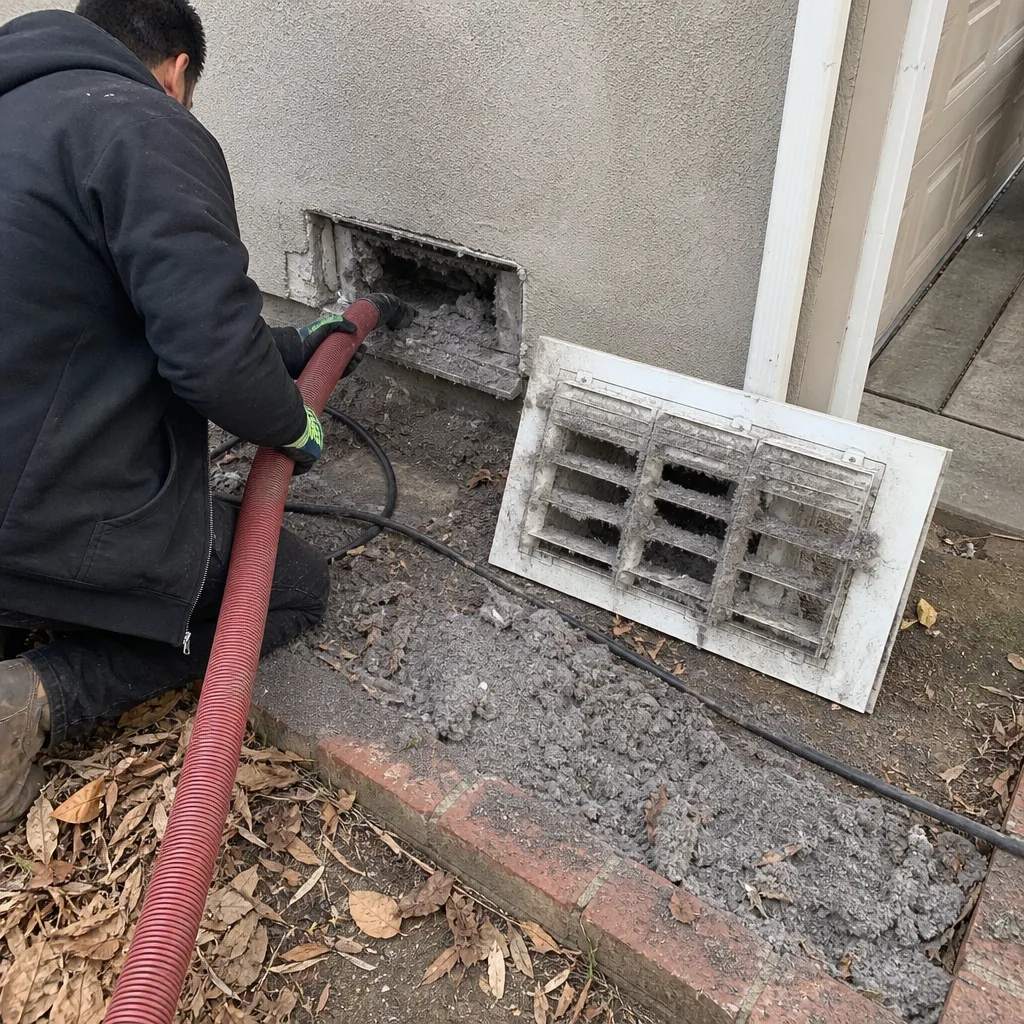 Before
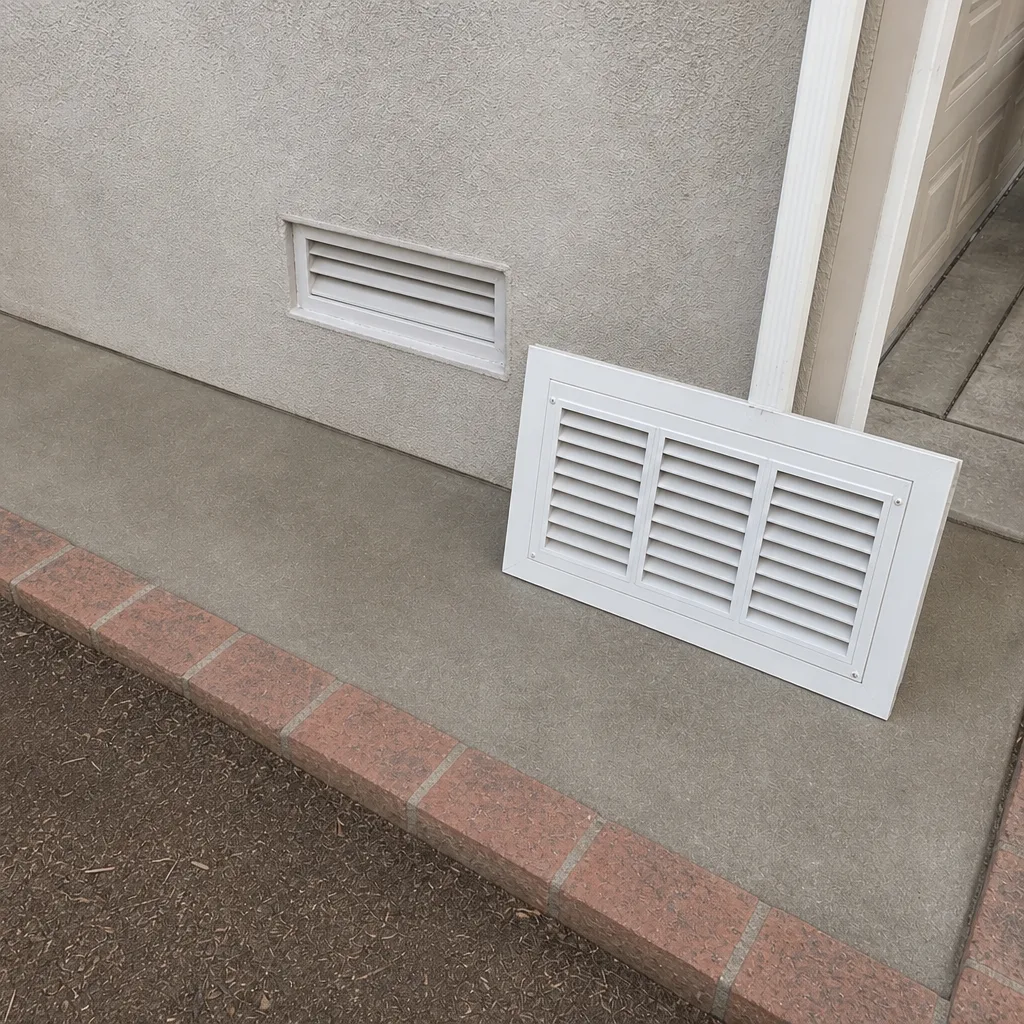 After
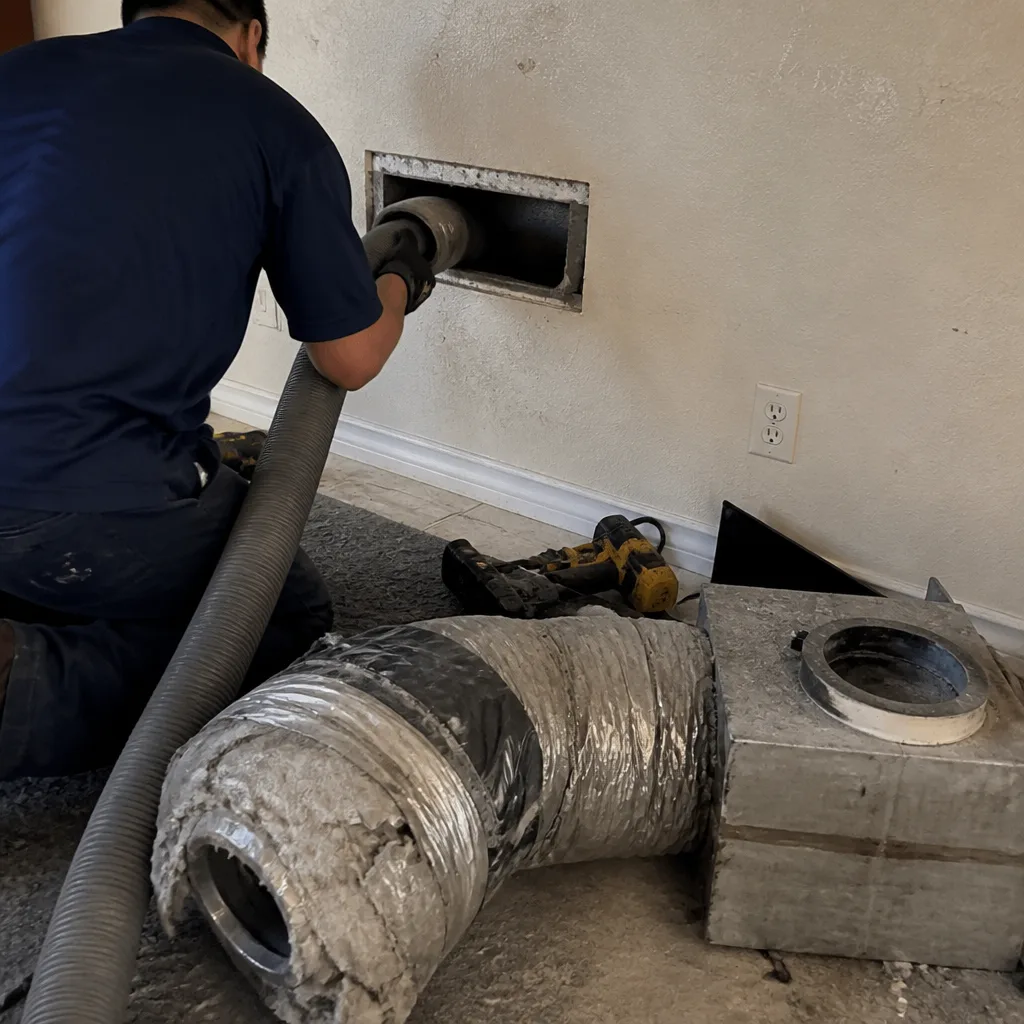 Before
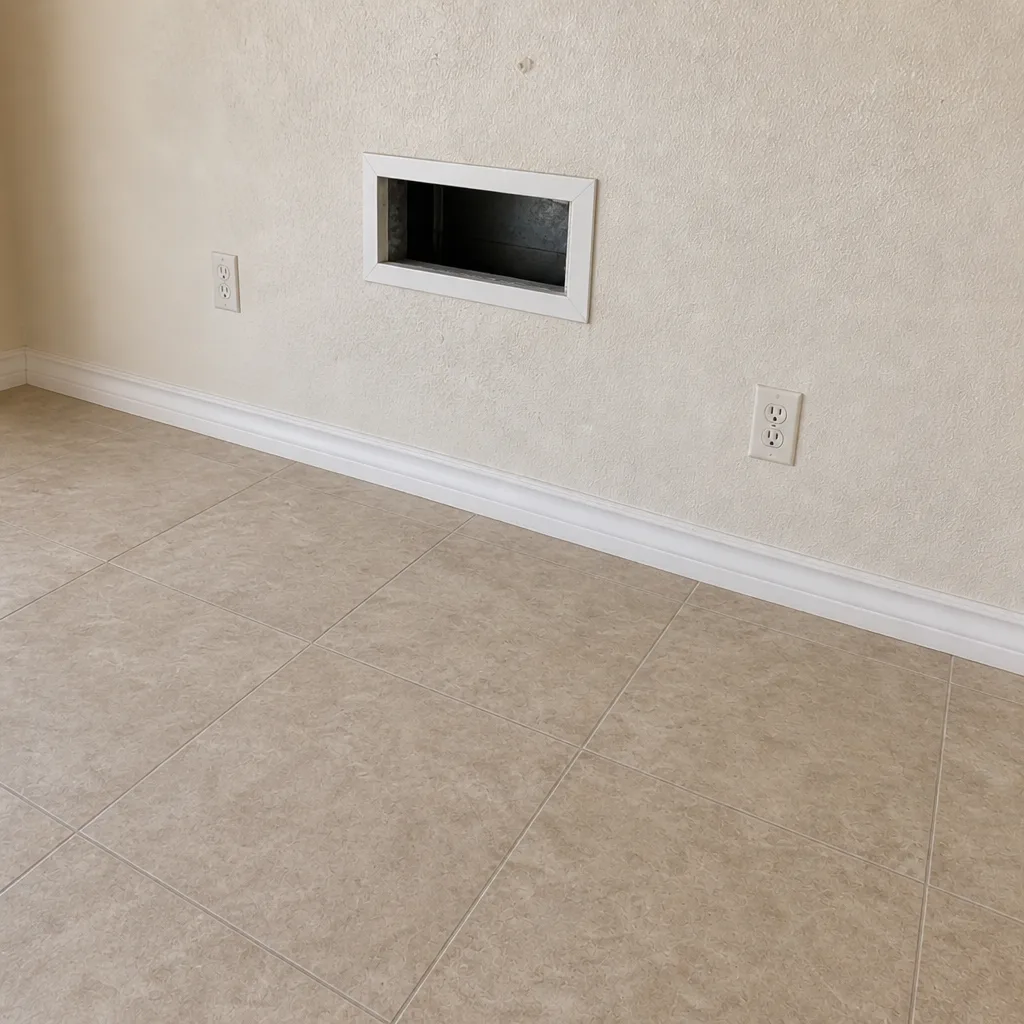 After
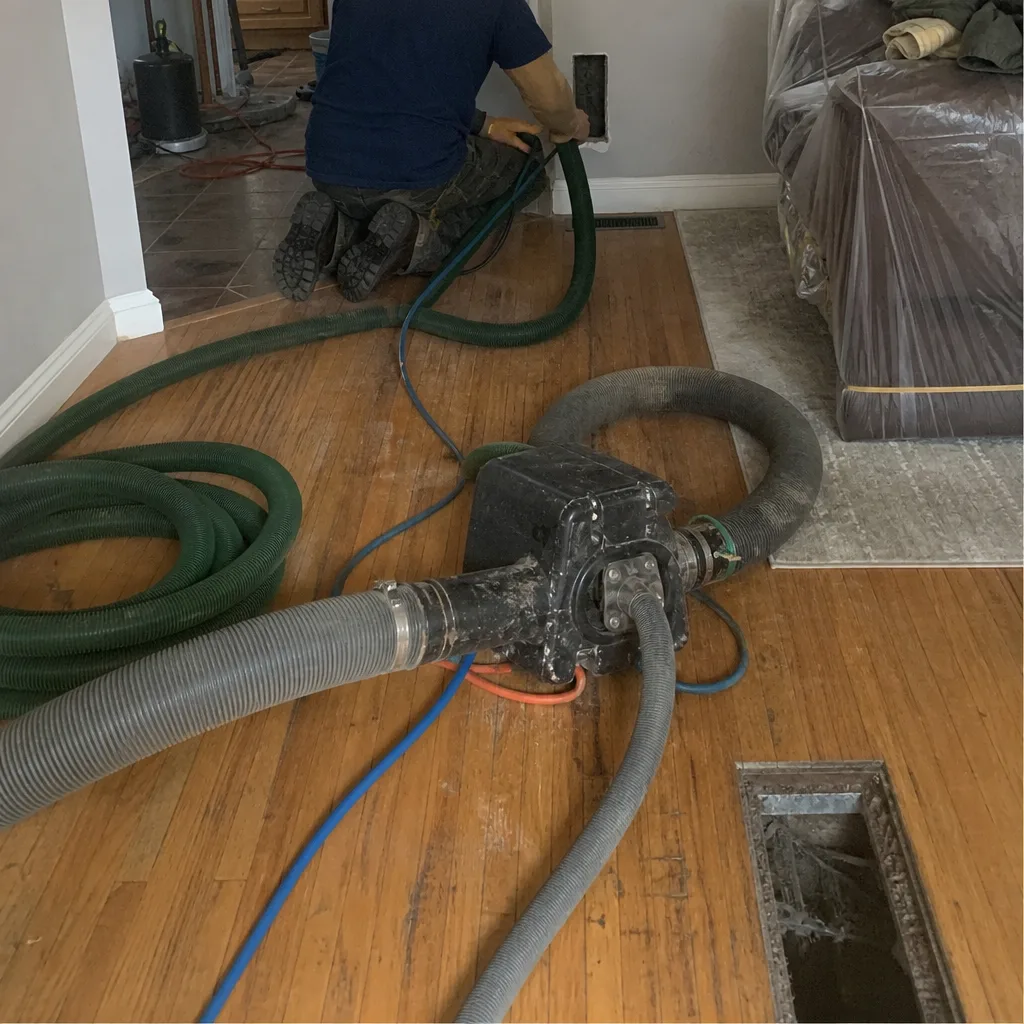 Before
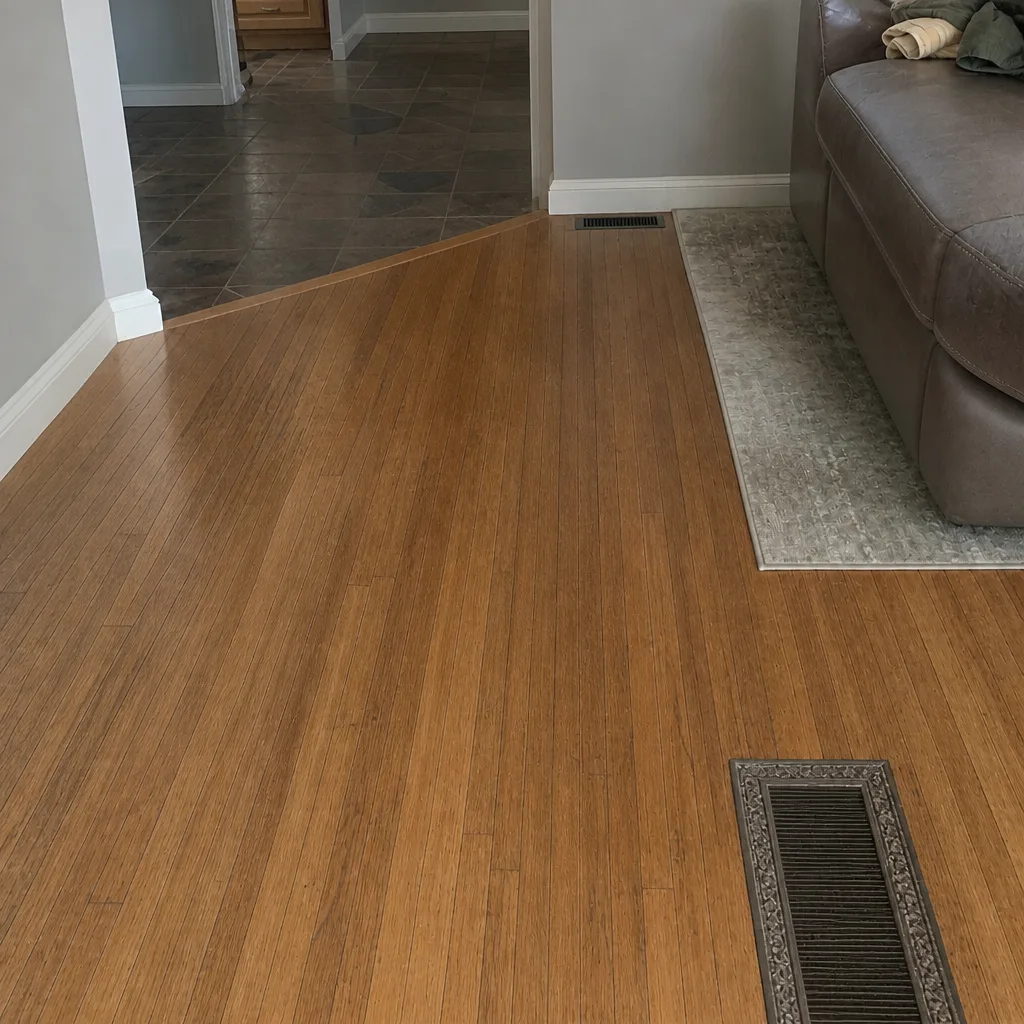 After
When to Call a Professional
Call a professional when any of these is true: visible microbial growth in the ducts, water intrusion within the last three days, pest activity discovered in the system, soot deposits visible inside supply or return runs after a smoke event, a burning smell at the registers, or any situation where the documentation for an insurance claim needs a contractor report. For lighter scenarios like a smoky odor several days after the air cleared, or dust settling after an outage, a professional assessment is still worth the call because the alternative is guessing at a system you can’t see. Duct Cleaning Roseville offers free estimates in Roseville, with one flat price per system agreed before work starts and before-and-after photos of your own ducts when the job is done. Call (855) 473-9048. We answer 24/7. Fast dispatch from 7am to 7pm, Sunday through Friday. We’re licensed and insured, and we use Rotobrush brush-agitation and Nikro HEPA extraction as standard, not as an upgrade.
Frequently Asked Questions
Clean within one to two weeks after a significant smoke event if you can see soot inside the registers, smell smoke at the vents with the system off, or anyone in the home has respiratory sensitivity. If the filter loaded heavily but the ducts show no deposit and there’s no odor, filter replacement alone is often enough. Call (855) 473-9048 for an exact quote; the estimate is free, and it will tell you which category your system is in.
No, not until you’ve confirmed the ducts are clean. Running the fan on a loaded system re-aerosolizes settled particulate rather than filtering it, and it makes interior air quality worse. Verify the filter and a register interior first, then decide.
Ranges vary by system size and access, but post-fire cleaning is priced as a whole-system job, not per vent, and the written estimate sets the final number. Watch for a quoted coupon price that expands into a much larger invoice on site. We tell you one flat price per system before work starts. Call (855) 473-9048 to book a free estimate.
Treat 48 to 72 hours as the working window. After that, conditions inside a wet duct system favor microbial growth, and the job shifts from drying-and-cleaning to contamination removal. Photograph everything and get a professional assessment inside that window.
Photograph the event, the air quality readings with dates, the filter before replacement, and the duct interiors before cleanup. Add moisture readings if water was involved. Get a written contractor report describing condition and scope. A documented timeline tied to the event is the difference between a clean claim and a disputed one.
Because the scope is often smaller than what the system actually needs, or the equipment isn’t up to emergency work. A shop-vac cleaning without HEPA extraction and containment can move contaminants around instead of removing them. Ask which equipment is used, whether negative-air containment is part of the job, and whether you’ll get before-and-after photos of your own ducts. Then compare. Call (855) 473-9048 for a straight answer on what a proper job involves.
The Bottom Line
Emergency events don’t damage duct systems in the same way, so the response shouldn’t be one-size-fits-all. Smoke events call for filter inspection and a register-level check before you run the fan. Water intrusion calls for shutdown and a 48 to 72 hour response window. Outages call for a startup inspection if the system sat idle for days. Documentation should begin before cleanup, not after. And when the question is whether to clean or wait, honest triage beats a rushed decision every time. Duct Cleaning Roseville specializes in exactly three services: air duct cleaning, dryer vent cleaning, and air duct repair. If you’re in Roseville and an emergency has you wondering about your duct system, a free estimate will settle the question faster than a phone call with anyone else.
Written by the team at Duct Cleaning Roseville.