
Last updated November 14, 2026
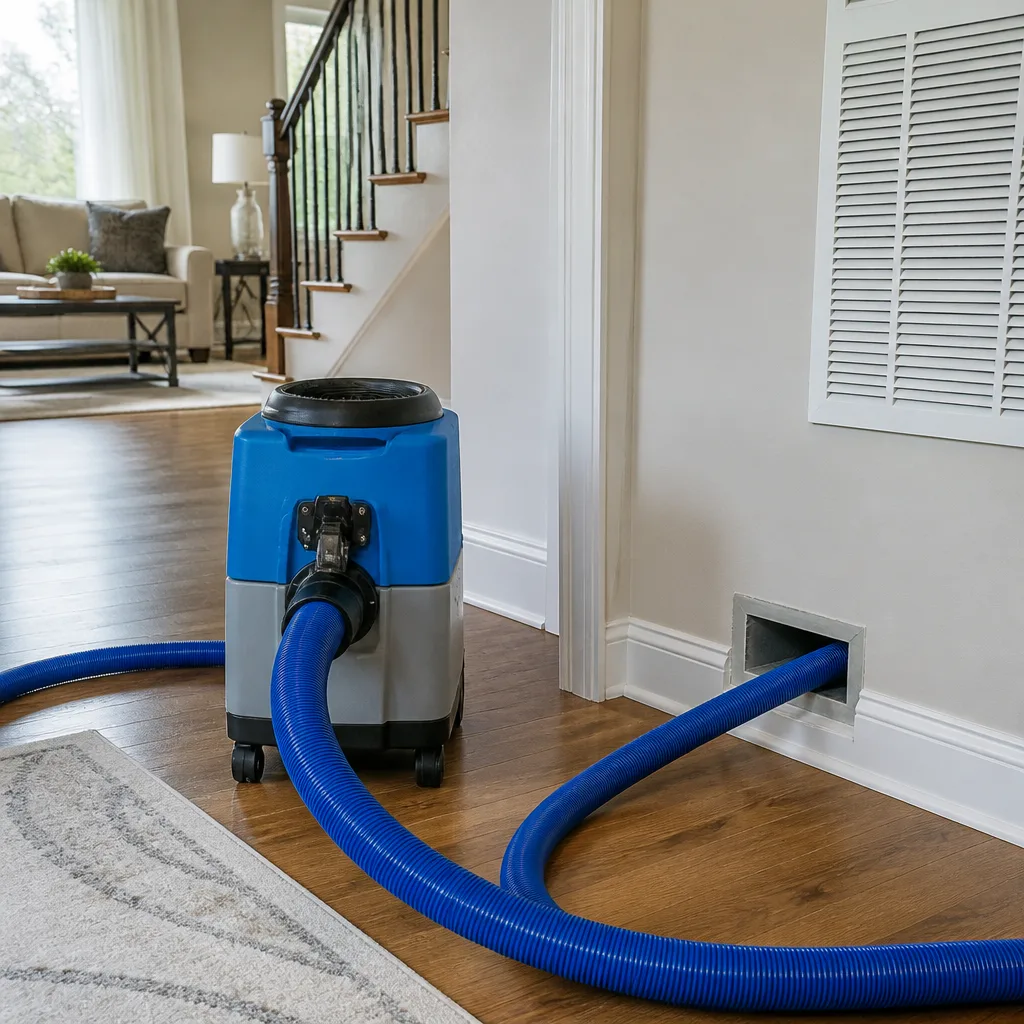 Whole-home duct cleaning
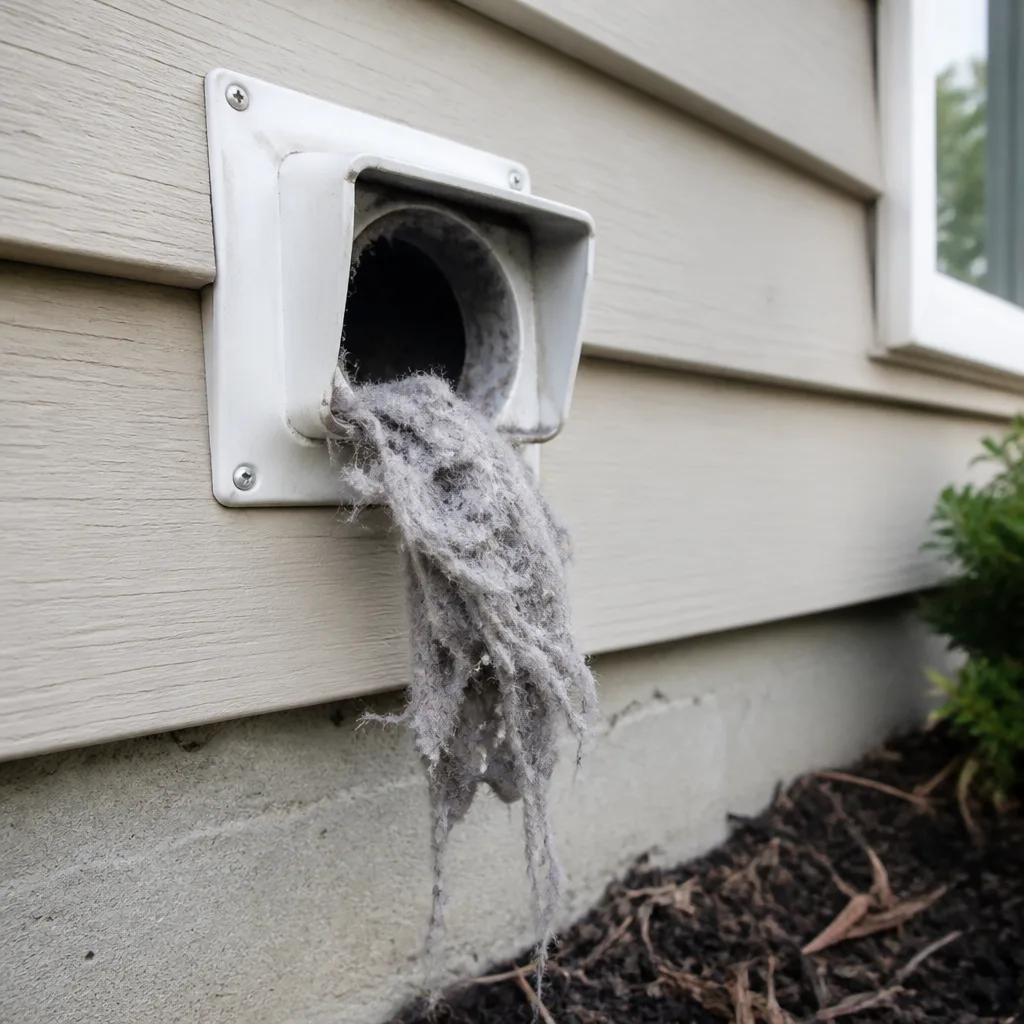 Dryer vent cleaning
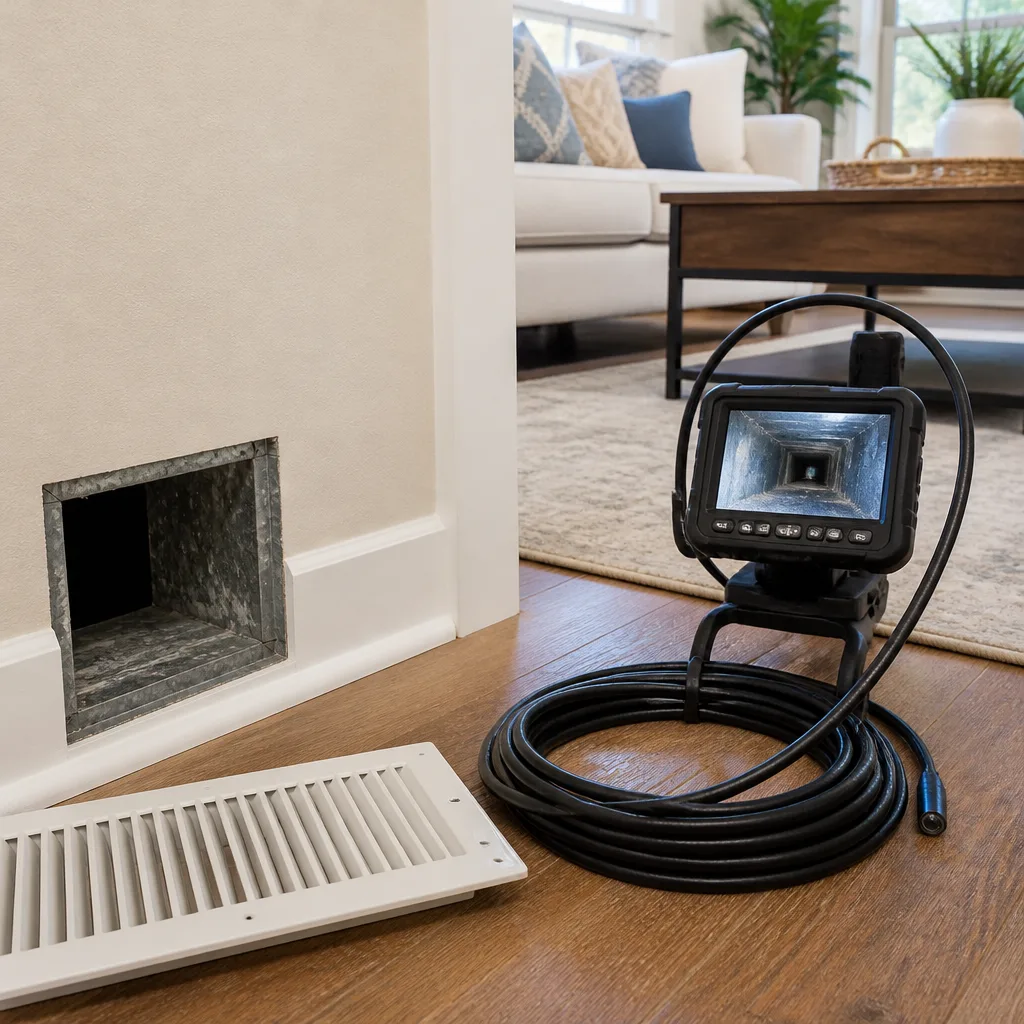 Camera inspection
 Sanitizing & deodorizing
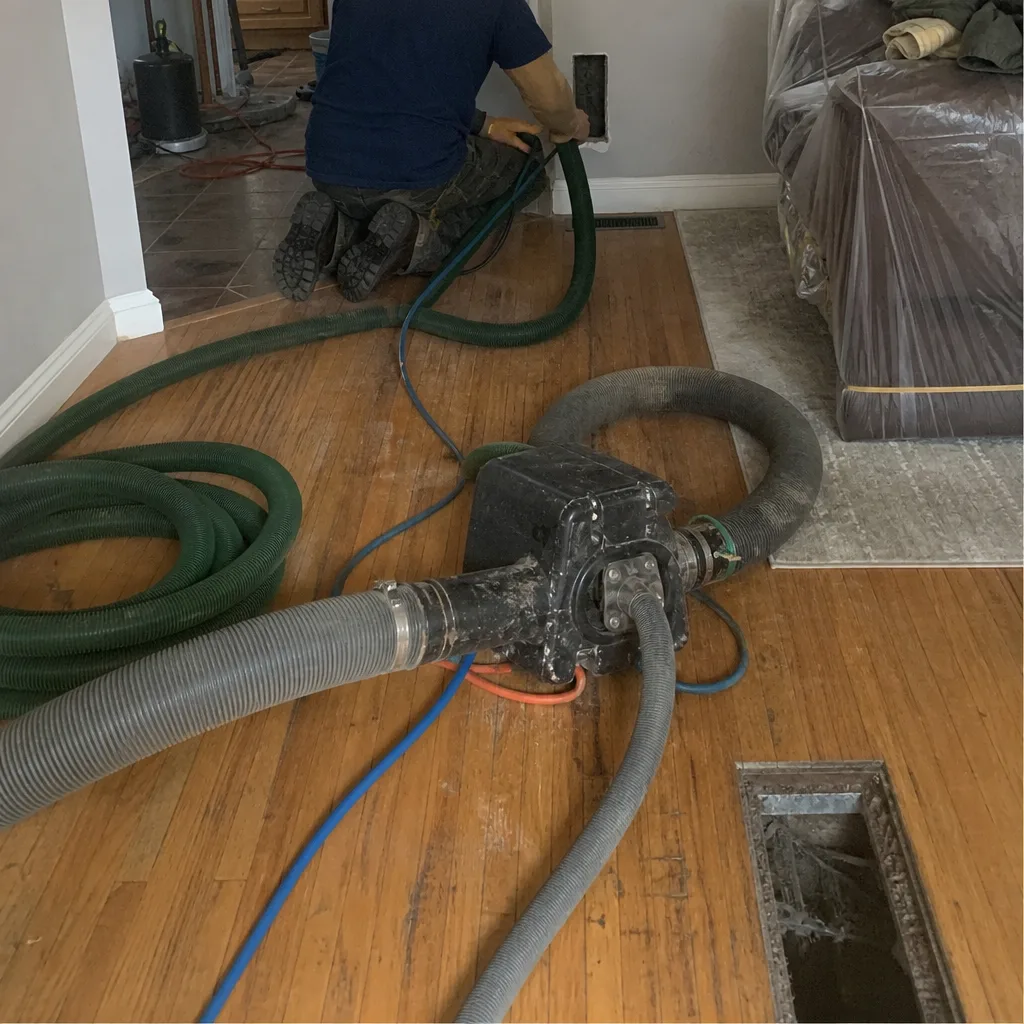
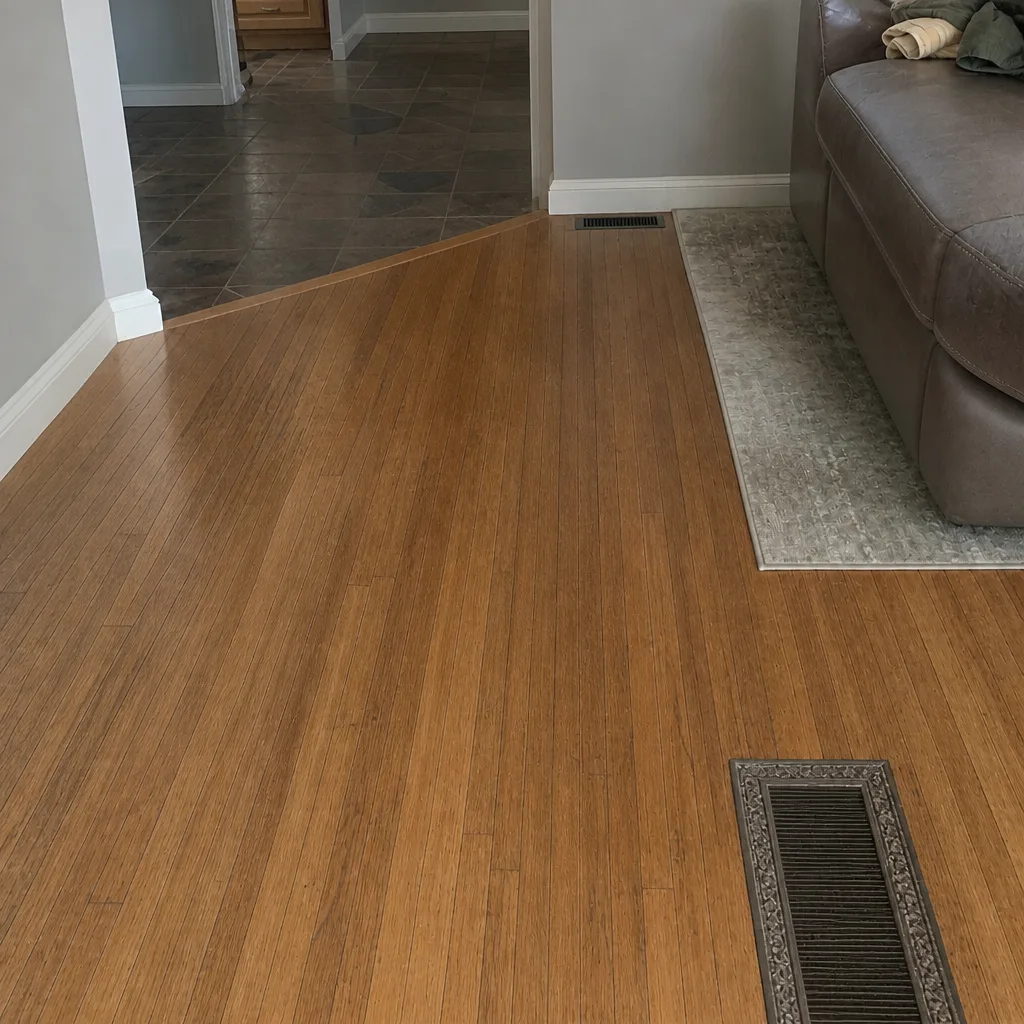
Whole-system duct and dryer vent check with before-and-after photos - you see exactly what came out of your vents
That "$99 whole-house special" is a bait ad - the real number appears once they are in your hallway, or the "clean" is a shop-vac at the register. We photograph the inside of your ducts before and after instead.
Seasonal Air Duct Cleaning Care for Roseville: Year-Round Homeowner’s Guide
Most homeowners treat duct cleaning like an annual oil change: pick a month, book it, forget it. That approach ignores what actually happens inside a duct system in Roseville. The real driver of contamination here isn’t the calendar. It’s the sequence of seasonal events that push material into your ductwork, from spring oak pollen to summer wildfire smoke to the first quiet weeks of fall when debris settles in a dormant system. Cleaning on a fixed date means you’ll sometimes pay for work you don’t need and skip work you do. This guide replaces the arbitrary cycle with a maintenance calendar built around the four seasonal stress patterns we see in Roseville homes. You’ll learn what each season does to your ducts, how to tell when cleaning is warranted versus a filter upgrade alone, and how to keep a simple log that makes every future visit faster and more targeted.
Quick Answer
Air ducts in Roseville don’t need cleaning on a fixed annual schedule. They need cleaning when a specific seasonal event loads them with contamination: heavy oak pollen in spring, wildfire smoke intrusion in summer, a dormant system restart in fall, or condensation-driven microbial growth in winter. The most reliable trigger is a documented smoke event plus visible particulate at the registers, not the number of months since the last cleaning. Build a rolling 12-month log of filters, AQI events, and register inspections, and let that log tell you when to book.
Styles & brands we work with
- Whole-home duct cleaning
- Dryer vent cleaning
- Camera inspection
- Sanitizing & deodorizing
Table of Contents
- Why a Fixed Calendar Fails in Roseville
- Spring: Oak Pollen and Construction Season on the Return Side
- Summer: Assessing Duct Contamination After Wildfire Smoke
- Fall: The System Startup Inspection Before You Run Heat
- Winter: Condensation, Damp Air, and Register Inspection
- Building a Rolling 12-Month Duct Log
- What Professional Equipment Actually Changes
- Common Mistakes to Avoid
- When to Call a Professional
- Frequently Asked Questions
Why a Fixed Calendar Fails in Roseville
A duct system is a passive collector. It doesn’t discriminate between a light pollen week and a smoke event where the AQI climbs past 150 for days. It collects whatever the return side brings in, and the amount can swing wildly from one year to the next. That variability is exactly why a fixed month on the calendar makes poor sense in Roseville. Two homes on the same street can have completely different contamination levels by September depending on how tightly their envelope seals and how many smoke days landed in their specific microclimate.
The second problem is what we call event-driven loading. A single sustained wildfire smoke period can deposit more fine particulate into a return duct than an entire normal year of ordinary household dust. During those events, fine particles in the 2.5 micron range slip past standard filters and settle on duct walls, turning vanes, and the blower housing. Once they’re there, they don’t leave on their own. Every subsequent fan cycle re-suspends a fraction of them.
Here’s the practical framework we use instead of a calendar:
- Event triggers (cleaning likely warranted): sustained wildfire smoke days, a major construction or remodel nearby, a filter that visibly loads within weeks, or persistent odor at the registers.
- Baseline maintenance (cleaning optional): routine seasonal filter changes, one annual inspection, and register checks after each transition.
- Repair signals (cleaning won’t fix it): disconnected runs, crushed flex duct, gaps at takeoffs, or persistent uneven airflow that no amount of cleaning resolves.
That third category matters more than most guides admit. Cleaning a system with a leaking or disconnected run is wasted work because contamination re-enters immediately. In Roseville’s mix of older ranch homes and newer construction, both leaky flex runs and poorly sealed takeoffs are common, which is why we treat air duct cleaning as only half the job when the ducts themselves need attention.
Spring: Oak Pollen and Construction Season on the Return Side
Spring in Roseville loads the return side of your system before summer even starts. The region’s oak trees release pollen in dense waves, and that pollen is coarse enough to coat return grilles, settle in the return plenum, and compact against duct walls over weeks. If you run the system with the fan on for circulation, you’re pulling that material inward continuously.
The timing question is which comes first, cleaning or a filter upgrade. In most Roseville homes we look at, the answer is the filter first, because catching pollen upstream is cheaper than removing it from duct walls later. A high-MERV filter sized correctly for your system will capture a meaningful share of the pollen load before it settles. Oversizing the MERV rating without checking your blower’s static pressure can choke airflow, so this is a place where matching the filter to the system matters more than buying the thickest one on the shelf.
Spring is also construction season. Remodels, additions, and new builds nearby throw drywall dust and sawdust into the air for weeks. That dust is heavier than smoke particulate and settles quickly, but it does settle, often into the nearest return grille and the duct run behind it.
Spring checklist for Roseville homeowners:
- Inspect every return grille for visible pollen or dust coating. A grille that looks fuzzy after a few weeks is telling you the filter is underperforming.
- Log your current filter’s MERV rating and the date you changed it. You’ll need this baseline to judge whether this spring is worse than last.
- If a remodel is happening in or next to your home, check the return nearest the work area weekly and consider a temporary filter upgrade for the duration.
- Assess filtration health alongside the duct check. We carry and can advise on Aprilaire and Honeywell filtration products precisely because spring often calls for an upgrade rather than a cleaning.
If the return side is heavily coated by midsummer and airflow at the registers has dropped noticeably, that’s the point where cleaning becomes the right call rather than another filter change.
Summer: Assessing Duct Contamination After Wildfire Smoke
Summer is the season when Roseville AQI regularly spikes past 150 during wildfire events, and every hour the HVAC runs during those periods deposits fine particulate directly into the duct system. This is the event type most homeowners overlook because they assume the filter handles it. A standard filter catches a portion, but the fine fraction that slips through is exactly the fraction that clings to duct surfaces and stays there long after the smoke clears.
The real question after a smoke event is simple: clean, or upgrade the filter and move on? Here’s how we help homeowners in Roseville decide.
Signs a post-smoke cleaning is warranted:
- A visible gray or brown film on the return grille that returns within days of cleaning it.
- A smoky or stale odor at the supply registers that persists weeks after outdoor air clears.
- Multiple consecutive days of AQI above 150 in your area during the season.
- Allergy or respiratory symptoms that worsened during and after the smoke period and haven’t eased.
- A filter that loaded so fast you replaced it much sooner than your usual interval.
Signs a filter upgrade alone is enough:
- Registers look clean, no odor, and symptoms eased once outdoor air cleared.
- The smoke period was brief or the AQI stayed moderate in your specific area.
- Your filter is already high-MERV and was changed promptly after the event.
When cleaning is warranted, the method matters. HEPA-rated extraction with containment prevents the particulate from re-entering your living space during the job. We use Nikro HEPA-rated vacuum equipment and Abatement Technologies negative-air containment, the same standard applied in commercial remediation, because smoke particulate behaves like a contaminant, not like ordinary dust. If a cleaning reveals that the contamination was pulled in through a leaking return or a crushed run, that’s when a standalone air duct repair visit pays off. You don’t want to clean a leaky system and then watch it reload the following smoke season.
Fall: The System Startup Inspection Before You Run Heat
Fall is where most homeowners skip a step that costs them later. When a system sits mostly dormant through the cooler weeks before heating season, settled debris accumulates in the plenum, on the blower wheel, and along the bottom of horizontal runs. Then, on the first cold morning, the heat comes on and pushes all of that settled material into the living space at once. That first-run dust cloud isn’t harmless; it’s the accumulated summer’s worth of particulate.
A startup inspection before you run heat for the first time is a simple, low-effort sequence that tells you whether cleaning is needed before the heating season begins.
Fall startup inspection protocol:
- Before turning the system on, pull and inspect the filter. A filter that looks gray or brown rather than white or pale tells you it caught a heavy summer load.
- Shine a light into the return plenum if accessible. Settled debris often shows as a fine dust line along the bottom edge.
- Remove and check the registers. Look for a visible film of settled particulate on the register faces and just inside the boot.
- Turn the fan on without heat for a short period and note any dust puff at supply registers or musty smell. That reaction is a reliable indicator of what the heating season will push into the house.
- Log the date, filter condition, and what you observed. You’ll compare it to the same inspection next fall.
If the inspection shows settled debris, odor, or a puff of dust at the registers, book cleaning before the heating season starts. Doing it after the system has been running a few weeks means the debris has already been distributed into your living space. In our experience, the timing of fall cleaning matters more than the cleaning itself. Look for the settled line, not the calendar date.
Winter: Condensation, Damp Air, and Register Inspection
Roseville winters are mild, which lulls many homeowners into thinking ducts are safe from moisture problems. The reality is the opposite of what you’d expect in cold climates. Mild but damp air, combined with a system that cycles between heating and off periods, creates condensation on cool duct surfaces, especially in unconditioned spaces like attics and crawl spaces. That condensation, paired with settled dust, is the setup for microbial growth.
Winter register inspection is the single most useful habit for catching this early. What you’re looking for at each supply register:
- A musty or earthy odor when the system first kicks on. This is the clearest early sign of damp-contaminated duct surfaces.
- Discoloration or dark spotting on the register face or just inside the boot, distinct from ordinary dust.
- Condensation on the register face itself during colder mornings, which suggests a cool surface meeting warm interior air.
- Any visible condensation on exposed duct runs in an attic or crawl space, which points to a bigger moisture problem worth investigating before it becomes a duct problem.
If any of those show up, the right next step is a professional inspection rather than a home cleaning attempt, because damp contamination needs containment and proper extraction to remove safely. This is also where we recommend keeping the system running occasionally on low fan through the dampest weeks, since moving air is less prone to allowing condensation than still air. And if the inspection reveals that a run is sagging, disconnected, or holding moisture because it isn’t sealed, that’s a repair call, not a cleaning call.
Building a Rolling 12-Month Duct Log
The simplest upgrade you can make to your duct system’s care is a rolling log. It turns a series of one-off service calls into a documented history, and it makes every future contractor visit faster and more targeted.
What to log:
- Filter changes: date, MERV rating, and a one-word condition note (clean, gray, loaded).
- AQI events: any day or period where local air quality was poor, especially wildfire smoke days. A simple “smoke, 3 days” note is enough.
- Register inspections: date and one-line finding for each register check, noting odor color, or condensation.
- Service visits: what was cleaned or repaired, by whom, and the date.
- Symptoms: any change in allergy symptoms, airflow, or smells in specific rooms, tied to dates.
That log is a working document, not a formality. When a technician looks at it and sees “smoke event, 3 days, filter loaded within a week, register film returned in 10 days,” the right service decision is almost instant. Without the log, the same home gets a generic pitch. With it, the conversation becomes specific, targeted, and easy to justify.
Over time, the log also tells you when dryer vent cleaning is due, since lint accumulation follows its own pattern based on loads per week and vent routing. Many Roseville homes have long or externally terminated dryer runs, and lint buildup there is a fire risk that annual cleaning alone won’t always catch.
What Professional Equipment Actually Changes
Duct cleaning methods diverge sharply, and the difference shows up in what comes out of the duct, not just in what the invoice says. The credential that matters is whether the work uses contact agitation and HEPA-rated extraction with containment. Anything less risks stirring settled material into the living space and calling it clean.
Our three-step method in Roseville relies on brands chosen for that reason:
- Rotobrush brush-agitation: physically dislodges compacted debris from duct walls. Without contact, debris that has bonded to the surface stays put.
- Nikro HEPA-rated vacuum extraction: captures particles down to 0.3 microns so contaminants leave the duct rather than get stirred into your air.
- Abatement Technologies negative-air containment: keeps the work area under negative pressure, the same standard commercial remediation projects apply, so nothing migrates into living spaces during cleaning.
That combination matters most in summer smoke event cleanings and in any home where register odor is persistent. It also matters for the third leg of the service: if cleaning reveals a damaged run, we handle the repair as a standalone job through our duct cleaning Roseville work, so you don’t need a separate HVAC contractor. Guardsman sealants and containment-grade repair materials are part of that scope. The result is one call that can address cleaning and repair together, which is exactly what a smoke-loaded system with a leaking takeoff needs.
One safety note before we go further. Duct systems can hide damaged components near the furnace and blower that are genuinely dangerous to disturb. If you smell gas near the furnace, see scorching or soot on the blower housing, or find that a run is sagging right onto a heat source, stop and call a licensed technician rather than attempting a home inspection. We’re trained to work safely around those components; a shop-vac and a flashlight aren’t.
Common Mistakes to Avoid
- Cleaning on the same month every year no matter what. Roseville’s wildfire smoke years make the calendar the least reliable trigger. Use event-based signals from your log, not a date.
- Oversizing the filter MERV rating without checking pressure. A too-high MERV filter on a system that can’t handle the static pressure will reduce airflow and cause uneven heating, which gets blamed on the ducts.
- Cleaning a leaking system before repairing it. If a return or a takeoff is leaking, the duct will reload within weeks. Repair first or do both in the same visit.
- Ignoring the dryer vent because the ducts are the “bigger” job. Lint-clogged dryer vents are the leading cause of residential dryer fires, and they need a dedicated cleaning separate from the duct system.
- Skipping the fall startup inspection. Running heat before you know what has settled in the plenum means you push that season’s debris into your living space on day one.
- Trusting a coupon price as a whole-system quote. A teaser figure almost always grows once work is underway. Ask for one flat price per system agreed before work starts, and before-and-after photos of your own ducts.
- Not logging anything. Without a rolling record, every contractor visit starts cold, and you can’t tell whether you’re being sold a cleaning you don’t need or missing one you do.
When to Call a Professional
Call us when your log shows a smoke event followed by persistent register film or odor that didn’t clear after a filter change. Call when a fall startup inspection reveals settled debris in the plenum or a dust puff at the supply registers. Call when winter register checks turn up musty smells, dark spotting, or condensation on duct surfaces. Call when airflow has dropped noticeably in one or more rooms, or when the ducts look damaged, disconnected, or crushed. And call if a remodel near a return grille has coated the run behind it. Free estimates are available in Roseville, with one flat price per system agreed before work starts, and before-and-after photos of your own ducts so you can see the change. Call (855) 473-9048. We answer 24/7. Fast dispatch from 7am to 7pm, Sunday through Friday.
See the difference
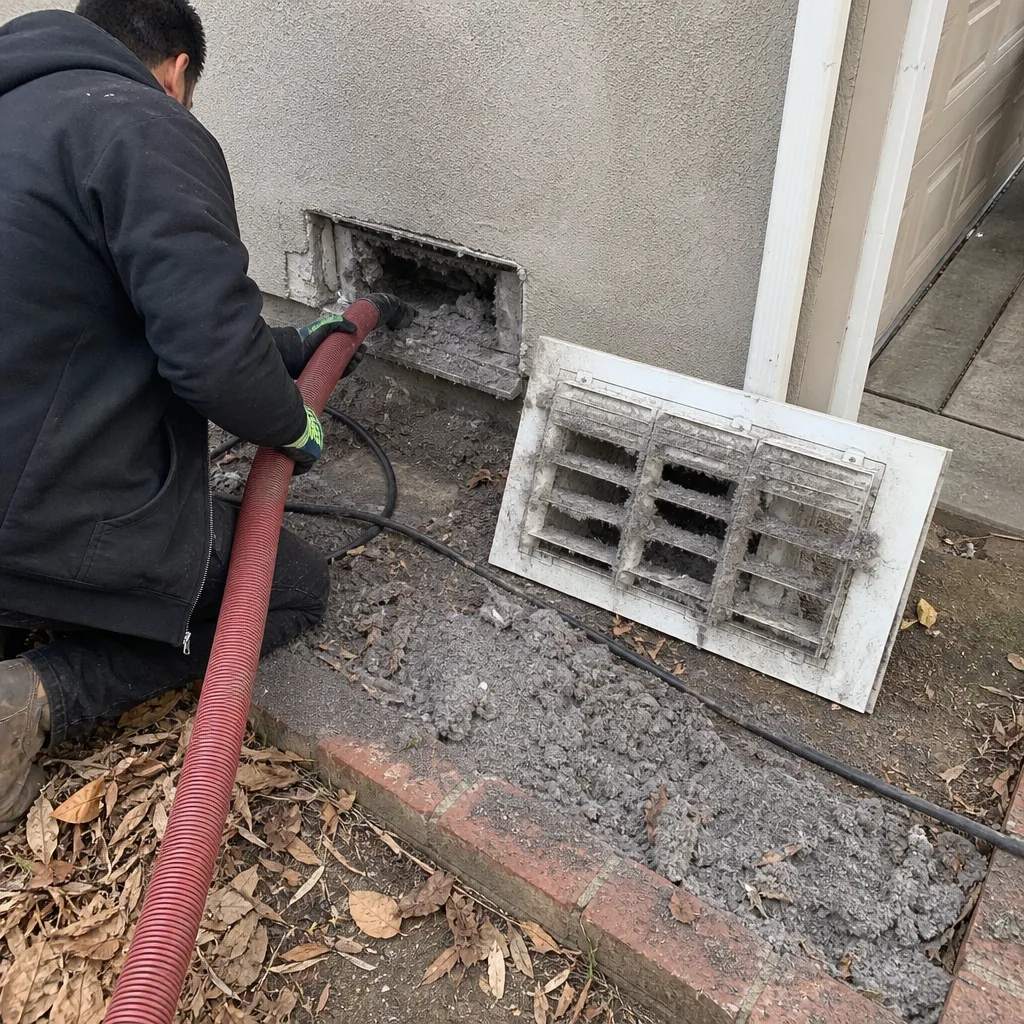 Before
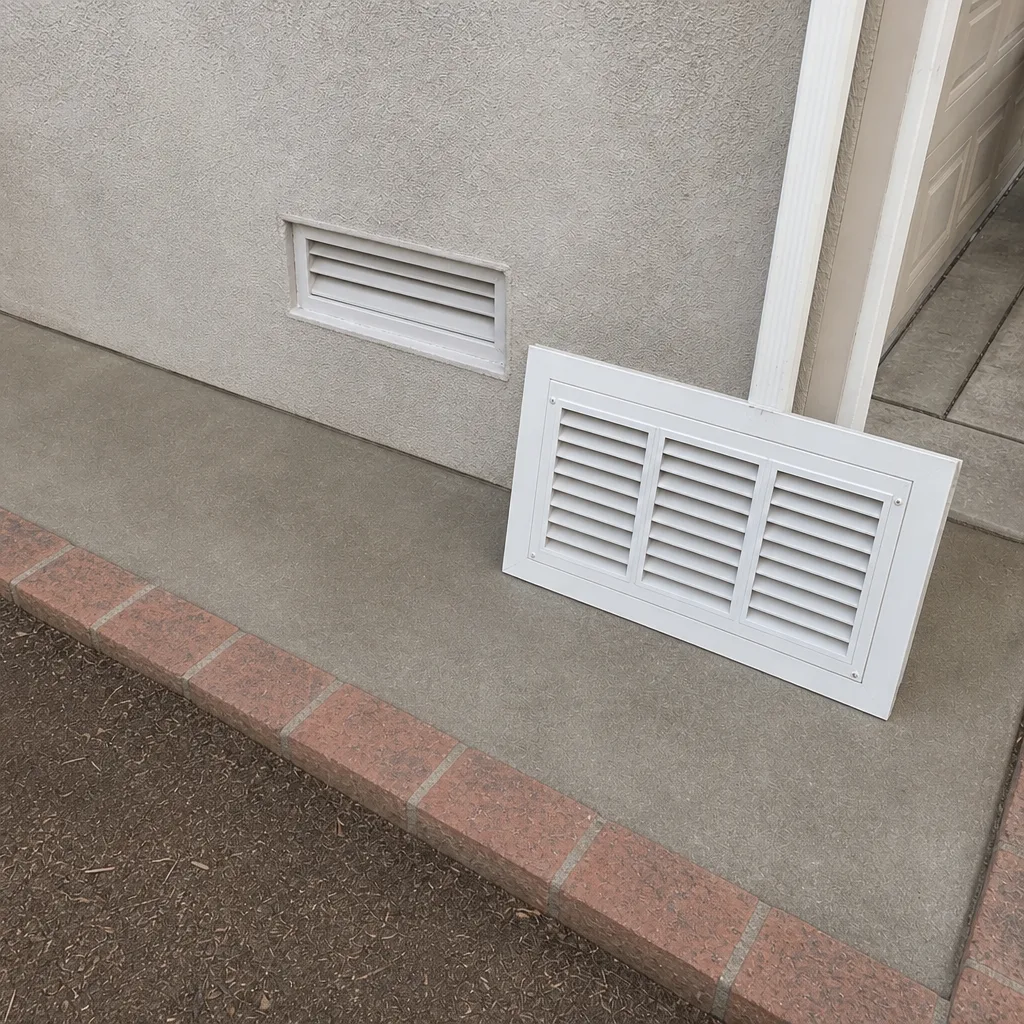 After
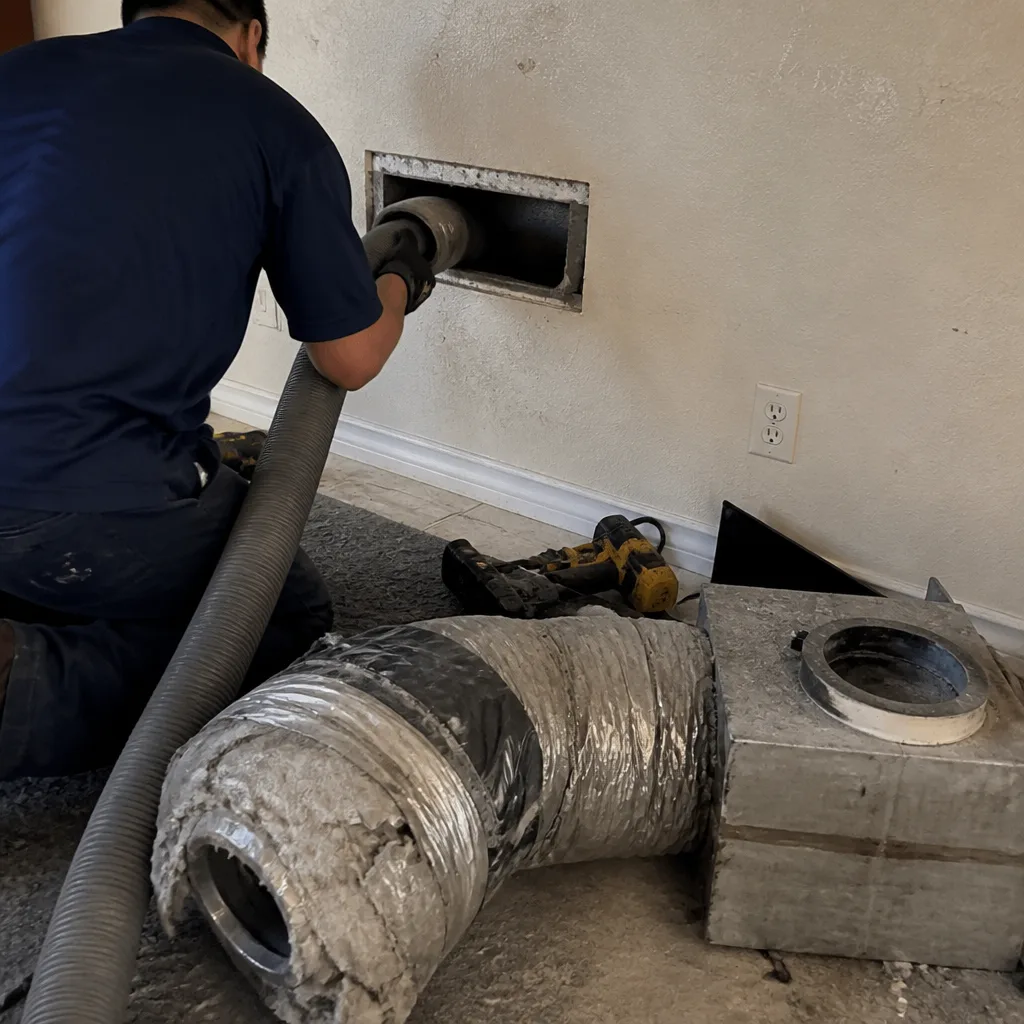 Before
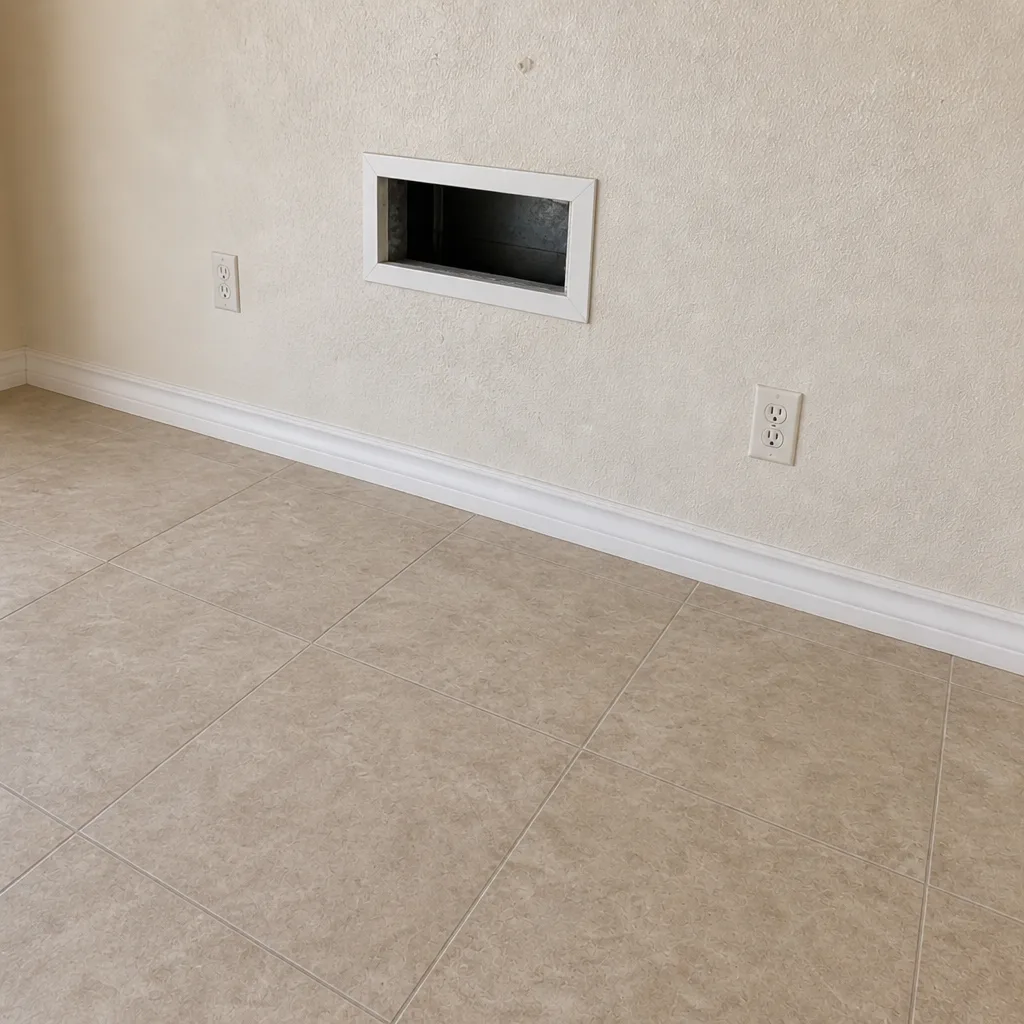 After
 Before
 After
Frequently Asked Questions
There’s no fixed interval that fits every home here. Cleaning should be triggered by events like wildfire smoke days, a filter that loads unusually fast, visible register film, or persistent odor. A home that experiences a heavy smoke season may need cleaning in that year, while a well-sealed home with a good filter may go longer. Use your log to decide rather than the calendar.
Costs depend on system size, number of runs, level of contamination, and whether repair work is needed. We set one flat price per system from a written estimate agreed before work starts. We don’t quote per-vent prices or teaser coupon figures, because those numbers rarely match the final invoice. Call (855) 473-9048 for a free estimate.
Cheap quotes usually mean less equipment and less containment. A single-pass vacuum without brush agitation and HEPA-rated extraction can stir settled debris into your living space rather than remove it. Look for the actual equipment and method on the quote, not just the price. Call (855) 473-9048 if you’d like to compare what we do against a quote you’ve received.
Ask for before-and-after photos of your own ducts, not stock images. A professional service should be willing to document what was found and what was removed. That documentation also goes into your rolling log, so the next visit can be compared to a known baseline. Call (855) 473-9048 with any question about what a cleaning should include.
No. A brief or moderate smoke period that eases with a prompt filter change often means a filter upgrade was enough. Cleaning is warranted when register film returns after cleaning, odor persists for weeks, or symptoms worsened and stayed worse. Use the signal list earlier in this guide to judge.
Sometimes, especially in spring when pollen is the main load. A correctly sized high-MERV filter from a brand like Aprilaire or Honeywell can catch much of the incoming particulate before it settles. But once contamination is already on duct surfaces, no filter removes it from there. In that case cleaning has to come first. Call (855) 473-9048 to discuss which applies to your home.
The Bottom Line
Roseville’s four-season stress pattern makes event-based duct care far more reliable than an annual calendar. Spring pollen and construction loading, summer wildfire smoke intrusion, fall dormant-system restart, and winter condensation all demand different responses. Build a rolling 12-month log, do the register and filter inspections each season, and let the results drive the decision to clean, upgrade filtration, or repair. Professional-grade equipment with contact agitation and HEPA-rated extraction with containment is what separates a real cleaning from a shop-vac shortcut. And when a repair is needed, having cleaning and repair handled by the same specialized team means one visit, not two contractors.
Ready to build a cleaning plan that fits your Roseville home’s actual seasonal load? Call (855) 473-9048 for a free estimate. We answer 24/7. Fast dispatch from 7am to 7pm, Sunday through Friday, and we’re closed on Saturday.
Written by the team at Duct Cleaning Roseville.