
Last updated November 14, 2026
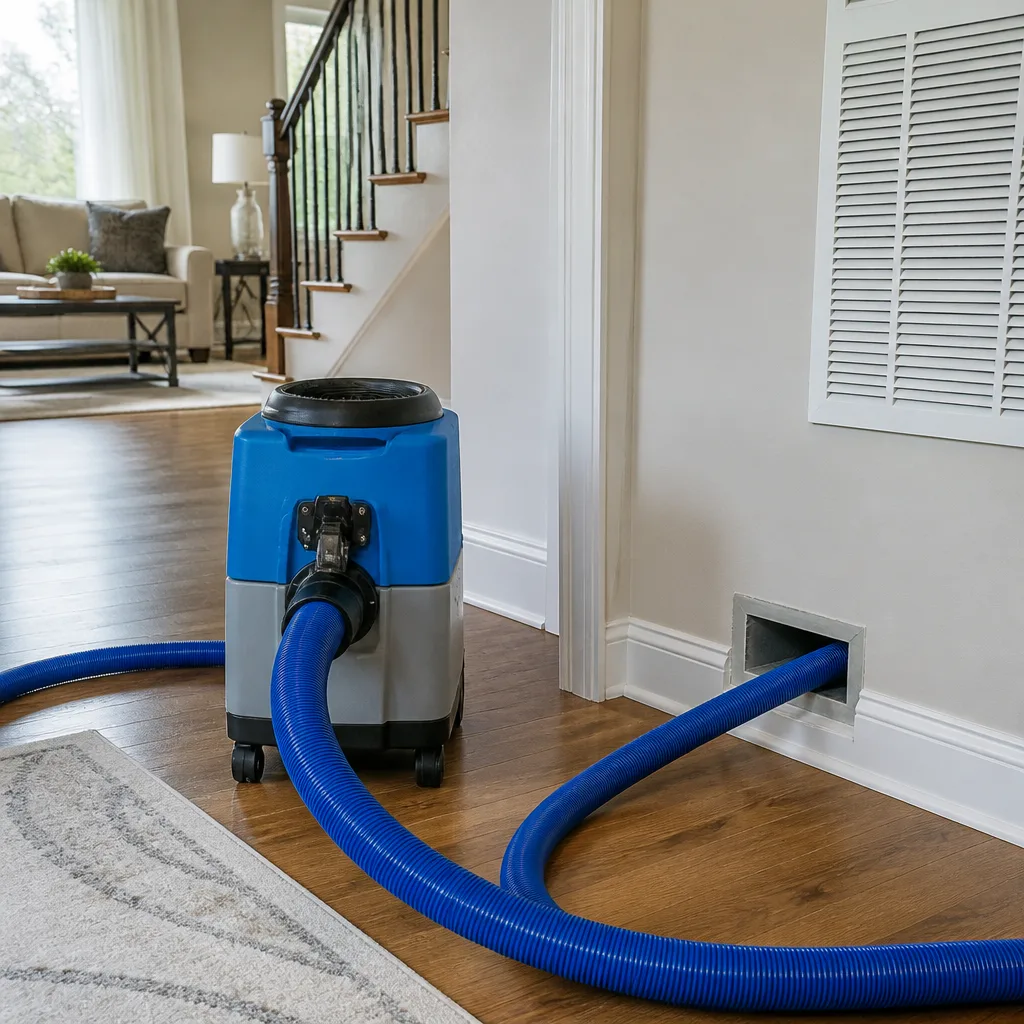 Whole-home duct cleaning
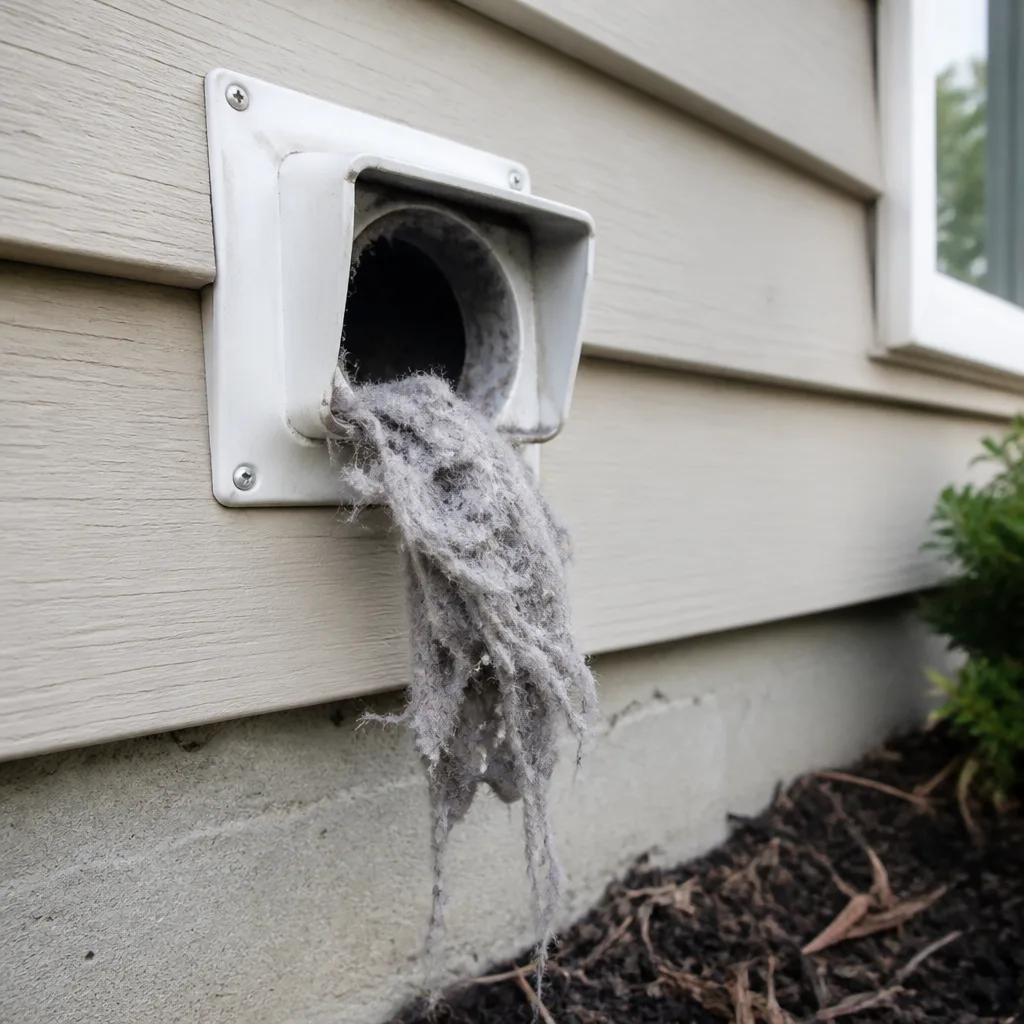 Dryer vent cleaning
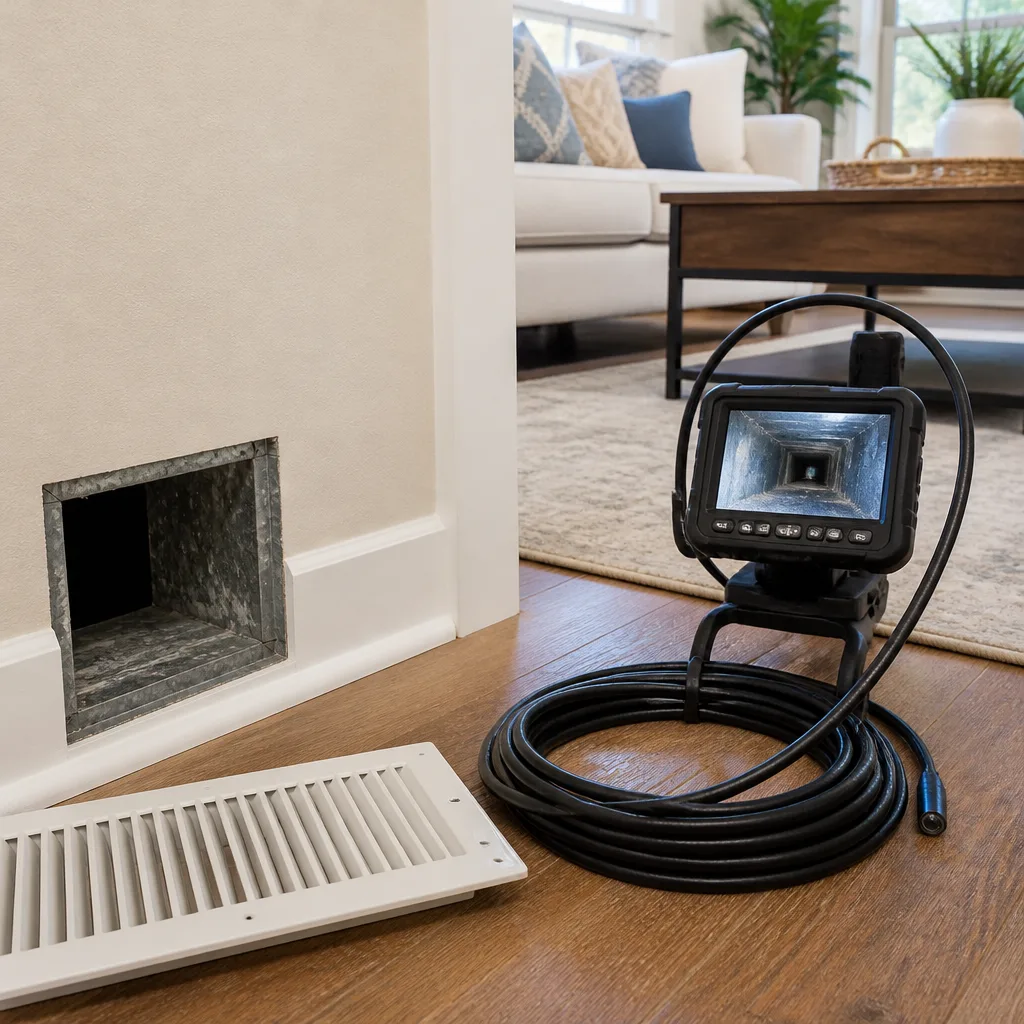 Camera inspection
 Sanitizing & deodorizing
Whole-system duct and dryer vent check with before-and-after photos - you see exactly what came out of your vents
That "$99 whole-house special" is a bait ad - the real number appears once they are in your hallway, or the "clean" is a shop-vac at the register. We photograph the inside of your ducts before and after instead.
Air Duct Cleaning Maintenance Checklist for Roseville Homeowners
Most homeowners think about their ducts only when something goes wrong: allergies flare up, a room stops heating evenly, or a musty smell appears from a register. By then, the problem has usually been building for months. Here’s the part most people miss. The cheap fiberglass filter you swap every 90 days is diagnostic data, and its loading pattern tells you more about your duct system than any sales pitch ever will. A center-heavy filter and an edge-heavy filter point to completely different problems. This guide walks you through a maintenance checklist built for Roseville conditions, from monthly register checks to the seasonal triggers that should send you back to this page.
Quick Answer
A working air duct maintenance checklist for a Roseville home has three layers: a monthly ten-minute inspection of supply and return registers, filter changes tied to loading pattern rather than the calendar, and a professional cleaning or inspection at intervals set by what you actually find. For most Roseville homes, that means a professional assessment every two to three years rather than the annual upsell some contractors push, with a review triggered sooner after wildfire smoke seasons, HVAC startup, or nearby construction.
Styles & brands we work with
- Whole-home duct cleaning
- Dryer vent cleaning
- Camera inspection
- Sanitizing & deodorizing
Table of Contents
- Reading Your Filter: The Diagnostic You’re Throwing Away
- The Ten-Minute Monthly Register Protocol
- Roseville Seasonal Triggers: Wildfire Smoke, HVAC Startup, and Construction
- What to Photograph at Every Register (Your Baseline)
- How Often Do Roseville Ducts Actually Need Professional Cleaning?
- What Professional Equipment Should Actually Look Like
- Sealing the Gaps: Why Cleaning and Repair Belong Together
- The Dryer Vent Deserves Its Own Checklist
Reading Your Filter: The Diagnostic You’re Throwing Away
The filter is the one component of your HVAC system you handle directly, which makes it the best early-warning sensor you have. Before you toss it, look at how it loaded. The pattern tells you which part of the system is working and which part is leaking or bypassing air.
A filter that loads evenly across its full face is the healthy outcome. Air is moving through the entire media, both the furnace and the return are doing their job, and the dust is being captured where it belongs. Keep doing what you’re doing.
Center-heavy loading is a different story. If dust is packed into the middle of the filter and the outer edges stay visibly clean, the filter frame is likely bypassing: air is sneaking around the sides instead of passing through the media. That means unfiltered dust has a direct path into your supply ducts and into every room. The usual culprits are an undersized filter slot, a filter that doesn’t seat flush, or a return plenum with a gap at the frame. This is a common finding in older Roseville homes where equipment has been swapped over the years without adjusting the filter cabinet.
Edge-heavy loading – dust concentrated around the perimeter with a cleaner center – often points to a restriction downstream. A partially closed damper, a crushed flex duct, or a clogged evaporator coil can all reduce airflow so much that the filter’s center never gets fully used. If you see this pattern and your rooms feel stuffy or warm, it’s worth a professional look.
Load color and weight matter too. Gray dust is normal household load. Black or oily buildup suggests something burning or off-gassing. Green or rust-colored staining is a red flag worth investigating before you do anything else.
The Ten-Minute Monthly Register Protocol
A monthly walk-through of your registers takes less time than a coffee break and catches most duct problems before they become expensive. Here’s the routine we recommend to homeowners in Roseville.
- Shine a light into each supply register. Aim a flashlight into the opening and look at the first 12 inches of duct. A light, even dust film is normal. Visible debris chunks, insect activity, or a fuzzy mat of dust stuck to the walls means it’s time to schedule a look.
- Wipe the register grille with a damp cloth. Note the color it comes up. Dark soot or black residue after a month is a signal, not just cosmetic dust.
- Feel the airflow at each register. Hold your hand a few inches away and compare across rooms. One register noticeably weaker than the others means a duct issue, a closed damper, or debris blocking a run. Uneven airflow is one of the most common complaints in Roseville’s two-story homes.
- Smell the air. A musty, earthy smell at the register points to moisture somewhere in the system. A sharp, chemical smell deserves an immediate call.
- Check the return grille. The return pulls more debris than any supply register. Look at the interior surface, then clean the grille itself. If you see a heavy mat of dust on the return after a month, your filtration may be underperforming.
- Inspect the filter slot and cabinet. Look for visible light gaps around the filter frame. Any light showing through means bypass.
Log the results. A simple note on your phone – date, which register, what you saw – builds the history that makes a professional assessment meaningful. Two minutes of notes each month gives you a year of data no contractor can argue with.
Roseville Seasonal Triggers: Wildfire Smoke, HVAC Startup, and Construction
Roseville sits in a part of California where three seasonal events reliably stress a duct system. Put each of these on your calendar as a checklist review trigger.
Wildfire smoke season. Smoke sits in the air for weeks at a time in late summer and fall across the Sacramento region. Fine smoke particles are small enough to pass through many standard filters, and they settle in ductwork as a sticky, resin-smelling film. If you notice a smoky odor when the system runs weeks after the fires are out, that’s the evidence. After a heavy smoke season, a filter change and a register-by-register check makes more sense than an automatic full cleaning; a professional inspection at the same time is where the two align.
HVAC startup after summer. The first cool day that sends you to the thermostat is the second trigger. Before you run the heat for the season, do a full ten-minute monthly pass and look at the filter. Sitting air over a hot summer is when dust compacts and, in humid stretches, when microbial growth gets a foothold. The startup check catches problems before the system circulates them through the house.
Post-construction triggers. When a neighbor builds or remodels nearby, or you finish a project in your own home, drywall dust and sawdust are circulating for weeks. Construction dust is far finer than household dust and settles deep in duct runs. If the work happened within the last six months and nothing was done to protect the ducts, a professional cleaning is usually warranted regardless of your normal interval.
Two more local events are worth logging: a major storm with wind-driven dust, and any time you replace the HVAC unit itself. Both are cheap moments to reset your baseline.
What to Photograph at Every Register (Your Baseline)
The single most useful thing you can do for your duct system is photograph it. Photos turn a vague “it seems worse than last year” impression into something you can compare, and they’re the difference between trusting a cleaning report and actually verifying it.
Here’s what to capture at each supply and return register:
- A straight-on shot of the grille before you wipe it, with a coin or your hand in frame for scale.
- A shot into the duct interior using your phone’s flashlight, angled slightly so the surfaces show. Don’t overexpose the image; you want to see real dust, not a white blur.
- A close-up of any debris that looks unusual – a mat, a streak, or anything that doesn’t look like plain dust.
- The filter itself, held up to good light so the loading pattern is visible, front and back.
- The filter frame and cabinet, with the same flashlight trick to catch light gaps.
Store the photos in a dated folder on your phone or in the cloud. Label them by room so the comparison stays honest. When a technician arrives, you have a baseline to review together. When the technician finishes, ask for before-and-after photos of your own ducts – not sample photos from a brochure. A team serious about proving the work will have no issue photographing the ducts before and after cleaning. If a contractor can’t produce photos of your system, you have no way to know the job was done.
We take before-and-after photos on every air duct cleaning we handle, because the photos protect you as much as they document the work.
How Often Do Roseville Ducts Actually Need Professional Cleaning?
For most homes in Roseville, a professional cleaning every two to three years is the right interval, not every year. The annual-cleaning pitch is easy to sell and easy to schedule, but it doesn’t match what the National Air Duct Cleaners Association recommends: clean when the ducts are actually dirty, not on a fixed calendar.
Here’s how to decide based on what you’ve found in your monthly and seasonal checks:
Closer to every 3 years
- Filter loading is even; no unusual patterns.
- Registers show light, uniform dust and no debris.
- Airflow is consistent from room to room.
- No musty or smoke odors when the system runs.
- No pets, no recent construction, no wildfire-smoke exposure on record.
Closer to every 1-2 years
- One or more pets in the home, or a pet with heavy shedding.
- A member of the household has asthma or seasonal allergies.
- Wildfire smoke exposure on record in the previous year.
- Recent construction or remodeling in or adjacent to the home.
- Filter loading is edge-heavy or center-heavy.
- Duct registers show persistent uneven airflow.
Sooner than any interval
- Visible debris or pest activity inside a duct.
- Persistent musty or smoky smell at the registers.
- Water staining or moisture visible around a register.
If you’re unsure, get a professional inspection first. A real assessment can be done in under an hour, and it tells you whether cleaning is needed now or whether your checklist is doing its job. We see homes in Roseville where monthly checklist discipline pushes the cleaning interval closer to four years and other homes where duct damage makes the cleaning overdue; the checklist is what tells you which side you’re on.
If you’re ready to book a professional assessment, our Duct Cleaning Roseville team will walk through what you’ve documented and give you a straight answer, even if that answer is “you don’t need a cleaning yet.”
What Professional Equipment Should Actually Look Like
The checklist is only half the job. What happens when a professional arrives matters just as much, and the equipment in the truck tells you whether you’re about to get a thorough job or a shop-vac shortcut with a coupon price attached. Ask before booking. A serious contractor will answer without hesitation.
Three pieces of equipment separate a real duct cleaning from a superficial pass:
- Brush-contact cleaning systems like the Rotobrush line dislodge compacted debris from the inside walls of duct runs. Brush agitation reaches the surfaces that vacuum alone can’t lift, which matters in ducts that have gone a few years between cleanings.
- HEPA-rated extraction equipment like Nikro systems captures particles down to 0.3 microns. HEPA filtration is what stops contaminants from being stirred into your living space instead of leaving the system.
- Negative-air containment equipment from Abatement Technologies applies the same standard used in commercial remediation. Negative air pressure keeps dust moving toward the collection point instead of out through registers into your rooms.
A contractor with only a shop-vac and a hose isn’t set up for a real cleaning. A contractor using all three methods has made an investment in doing the job at a commercial standard, which is the right benchmark even for a single-family home.
Equipment isn’t the only signal. Ask how the job will be priced. We use one flat price per system, agreed before any work starts, with no per-vent pricing. That structure exists because the alternative, a low teaser figure that grows once the technician is on-site, is the single biggest complaint homeowners have about this trade in Roseville and everywhere else.
The filtration side of your system deserves a look at the same time. We work with Honeywell and Aprilaire air quality products, which means we can assess your filter setup during the same visit and tell you whether your current filter is actually sized to your system. Upgrading to a properly sized filter cabinet is often a better investment than cleaning more often.
Sealing the Gaps: Why Cleaning and Repair Belong Together
Cleaning a leaking duct system is a short-lived win. If you clean out years of debris but leave the gaps and disconnected joints that let dust in the first place, the system reloads within a season. That’s why the checklist includes a fixed routine of leak-checks, and why we offer air duct repair as a standalone service rather than forcing you to hire a second contractor after the cleaning.
Here’s what a home leak check looks like:
- Start where the most leakage tends to happen: the return side. Walk the runs from furnace or air handler to the first register and look for visible gaps at joints, elbows, and plenum connections.
- With the system running, run your hand along each joint. Feel for escaping air. A joint that’s blowing a noticeable stream needs attention.
- In accessible attics or crawl spaces, look for disconnected or crushed flexible duct runs. Flex duct is easy to kink during installation and easy to pull apart later. A crushed run means that room never gets good airflow regardless of cleaning.
- Check the filter slot: with the filter in place and the system running, hold a thin strip of tissue or your hand near the edges of the slot. Movement means bypass, and that means unfiltered air entering the system.
- Note anything you find. Photos and notes make the repair conversation much simpler.
Duct sealing compounds, mastic, and metal tape are the materials a technician uses to close these gaps. Skip the duct tape you have in the drawer; it doesn’t hold up. The repair work is straightforward once the gaps are located, and doing it at the same time as a cleaning means the ducts stay clean for the full interval between professional visits rather than reloading in six months.
The Dryer Vent Deserves Its Own Checklist
The dryer vent is the other half of your home’s ductwork and the one with the higher safety stakes. A clogged dryer vent is the leading cause of residential dryer fires, and the signs are easy to miss until they’ve been building for months.
Add this to your monthly checklist:
- Feel the dryer’s outer cabinet during a cycle. It should be warm, not hot. A cabinet that’s uncomfortably hot to the touch is a sign the exhaust isn’t moving correctly.
- Check the load time. If a cycle that used to finish in one pass now needs two, the vent is the usual suspect.
- Look at the exterior vent flap on the outside of the house. With the dryer running, the flap should swing openly. A flap that barely moves or stays shut is a blockage or a damaged run.
- Inspect the flexible connector behind the dryer. A crushed or kinked connector is a common restriction; if it’s crushed, replace it with a smooth or semi-rigid transition.
- Look for lint accumulation on the outside of the vent hood. A little lint is normal; a visible mat of lint means the interior is loaded and the vent needs a proper cleaning.
Dedicated dryer vent cleaning is one of the three services we handle, and it exists because the dryer vent is genuinely a different job from the rest of the duct system. A proper cleaning involves cleaning the whole run from the dryer to the exterior hood, then verifying airflow with the system running. A homeowner who wants to keep their vent in check should have the full run cleaned at least once a year, more often in larger households or with heavier laundry loads.
Common Mistakes to Avoid
- Replacing the filter on a strict 90-day calendar. The loading pattern, not the calendar, tells you when to change. A filter that’s heavily loaded at three weeks is telling you the system has a problem; changing it again doesn’t fix anything.
- Hiring on price alone. A very low quote in Roseville is a conversation starter, not a finished price. The bait-and-switch pattern is so common in this trade that a straightforward flat price per system is worth paying more for. Ask what the price includes and what would change it.
- Cleaning before repairing. Cleaning a leaking duct system means paying to clean what will reload within a season. Fix the gaps first, or at least in the same service visit.
- Skipping the dryer vent because the ducts got cleaned. The dryer vent is a separate run with its own cleaning schedule. A full duct cleaning does not touch it.
- Ignoring the HVAC startup check. The first cool morning that sends you to the thermostat is the moment to do a full monthly pass. Skipping it means circulating whatever grew in the ducts over the summer.
- Not asking for before-and-after photos of your own ducts. Sample photos from a brochure are marketing. Photos of your ducts, taken before and after, are proof.
- Assuming the ducts need annual cleaning. Most Roseville homes don’t. Over-cleaning isn’t dangerous, but it costs money for work that isn’t needed. The checklist is the tool that keeps the interval honest.
See the difference
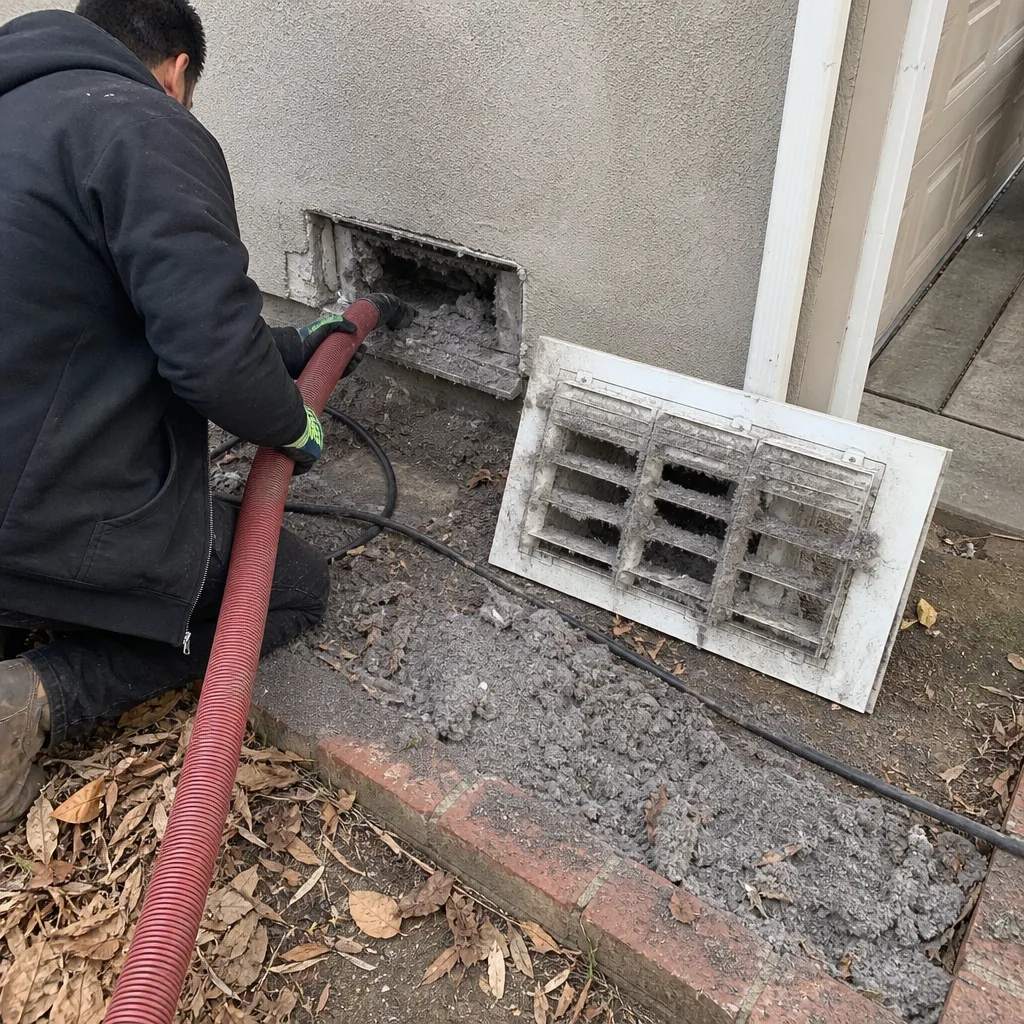 Before
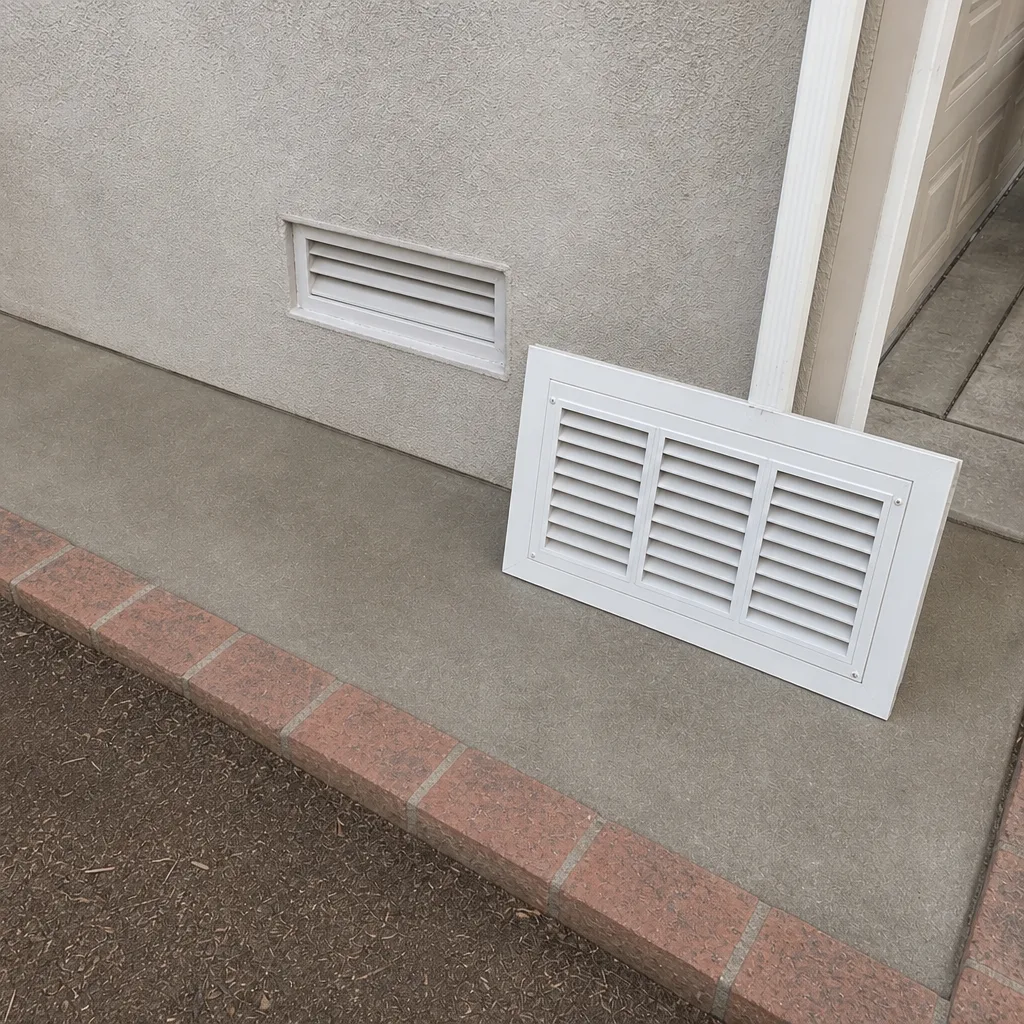 After
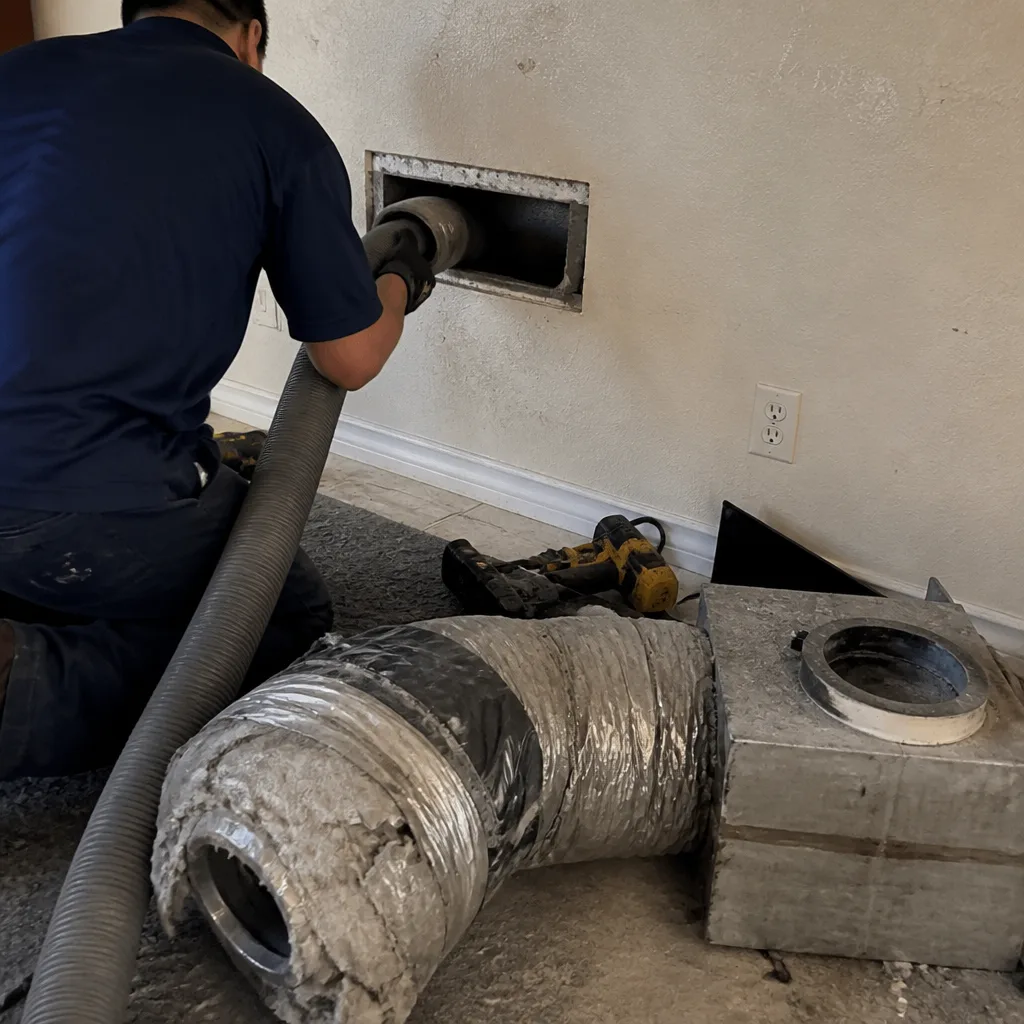 Before
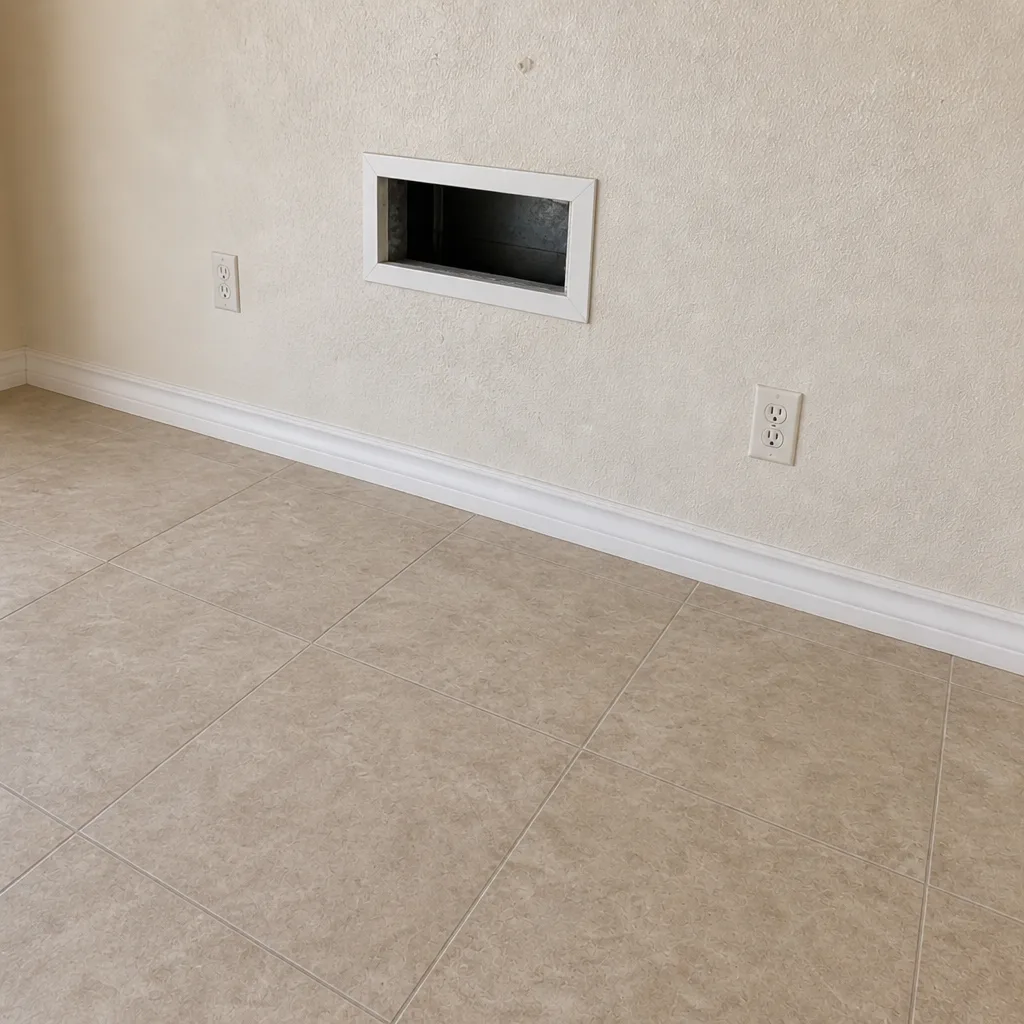 After
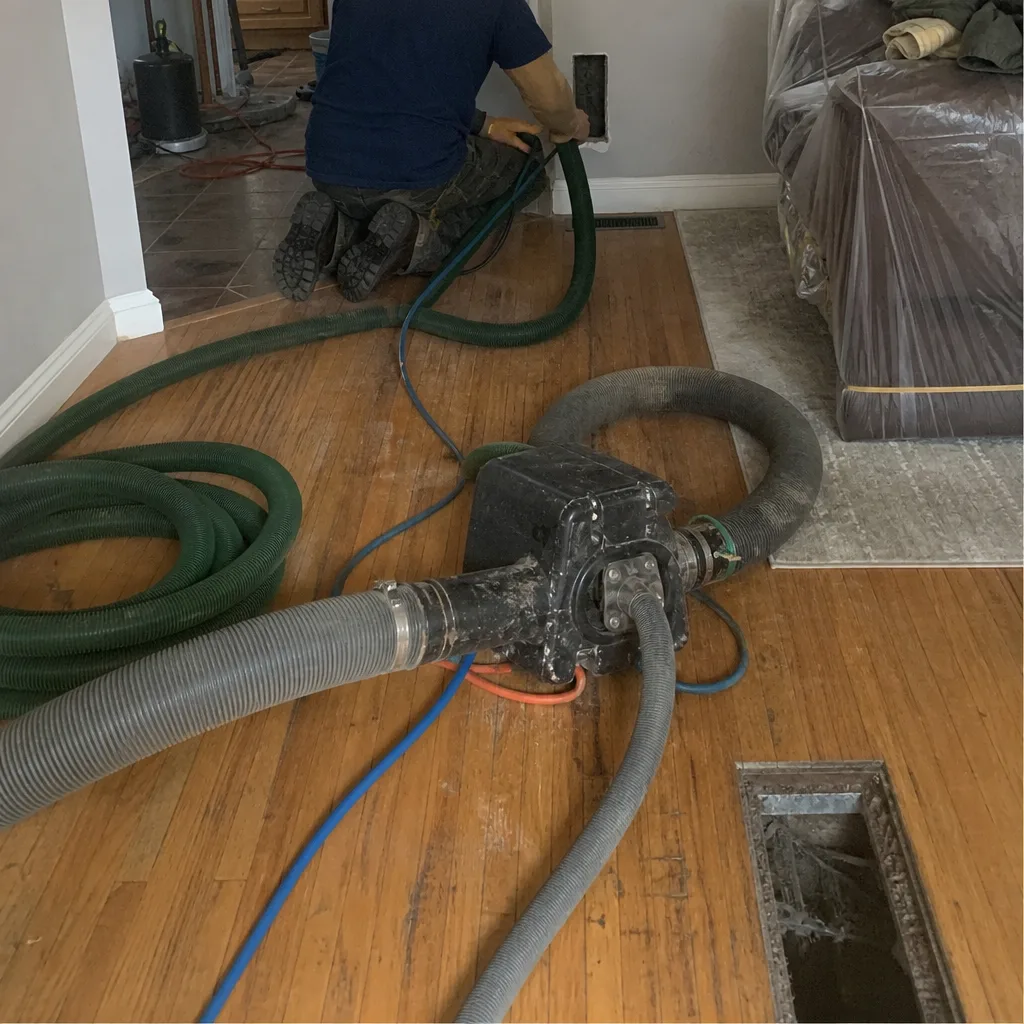 Before
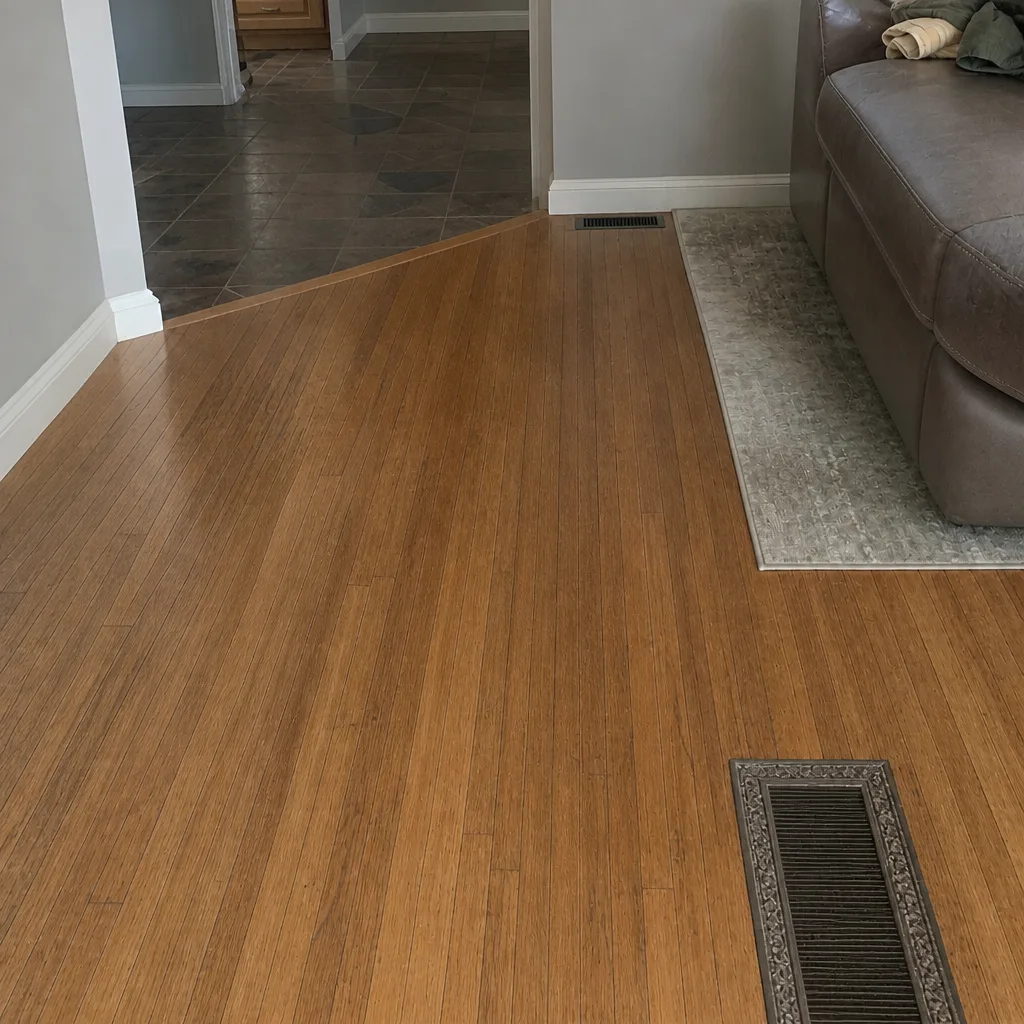 After
When to Call a Professional
Call for help when the checklist turns up a signal you can’t resolve on your own. Visible debris or pest activity inside a duct run, persistent musty or smoky odor at the registers, water staining, a filter loading pattern you can’t explain, or a dryer vent that shows any of the warning signs. Those all deserve a professional look, and the sooner the better.
Duct Cleaning Roseville connects homeowners in Roseville with independent local technicians using professional-grade equipment, and the estimates are free. Our technicians have up to 9 years of experience, and we can assess filtration health with Honeywell or Aprilaire equipment during the same visit. Call (855) 473-9048 to book an assessment. We answer 24/7. Fast dispatch from 7am to 7pm, Sunday through Friday; we’re closed on Saturday.
Frequently Asked Questions
Most Roseville homes need professional duct cleaning every two to three years, not every year. Homes with pets, allergy sufferers, wildfire smoke exposure, or recent construction usually land closer to the one-to-two-year range. The right call depends on what your monthly checklist actually finds, not on a fixed schedule.
Pricing is per-system, not per-vent, and it’s agreed before any work starts. That’s how we price, and it’s why we don’t quote teaser per-vent figures. Call (855) 473-9048 for a free estimate based on the size and condition of your system; estimates are free, and the written estimate sets the final price.
A very low quote is usually a starting price, not a final one. The pattern is well known: a coupon figure on the phone, then a much higher number once the technician is on-site with a “you need more than we thought” explanation. Ask any contractor what the flat price covers before they arrive, and ask for the written estimate up front. That’s the only way to compare honestly.
Ask for before-and-after photos of your own ducts. We photograph the system before and after every cleaning, so you have visual proof of what changed. If a contractor can’t provide photos of your system specifically, you have no way to verify the work.
Dust, pollen, and debris that settle in ductwork can be circulated through your home every time the system runs, which can aggravate allergy symptoms in sensitive people. If someone in the household has allergies and the monthly register check shows unusual dust or odor, a professional inspection is worth the call.
Yes. The dryer vent is a separate exhaust run with its own fire-risk profile, and a duct cleaning service doesn’t touch it. Have the dryer vent cleaned at least annually, and use the monthly checklist signs (longer dry times, hot cabinet, vent flap stuck) to catch issues between cleanings.
We use professional-grade systems: Rotobrush brush-contact cleaning, Nikro HEPA-rated extraction, and Abatement Technologies negative-air containment. All three applied together mean debris is dislodged, captured, and kept out of your living space during the job.
We offer air duct repair as a standalone service, which means sealing gaps and reconnecting loose runs can happen during the same visit as your cleaning or as a separate call. No second contractor needed.
The Bottom Line
A maintenance checklist is a way to make duct decisions on evidence instead of on a sales pitch. Read the filter, run the ten-minute register check every month, review after wildfire season and HVAC startup and any nearby construction, and photograph what you find so you can compare year over year. Use the photos to set a professional cleaning interval based on real conditions rather than a calendar, and check the dryer vent on its own schedule. When it’s time for professional help, ask about the equipment and demand a flat price per system with before-and-after photos, and call (855) 473-9048 to get started.
Written by the team at Duct Cleaning Roseville.