
Last updated November 14, 2026
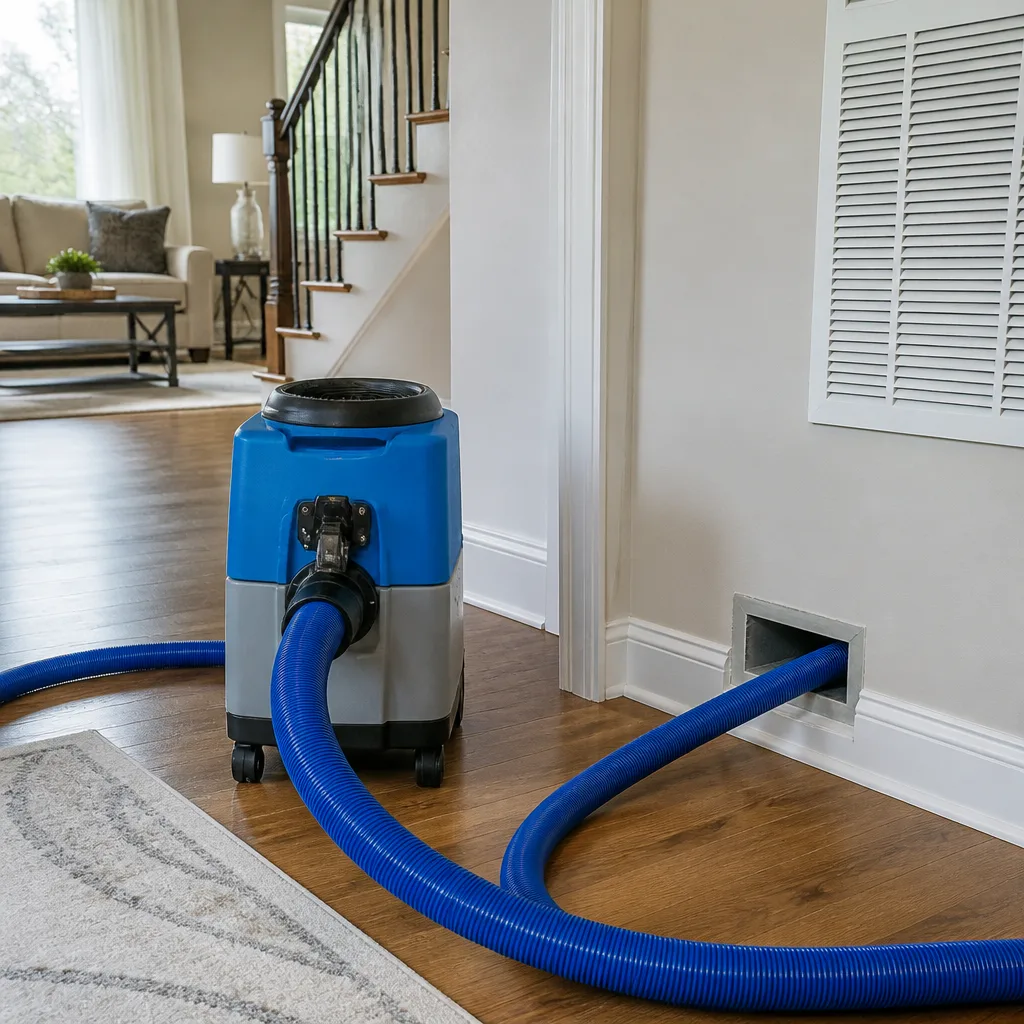 Whole-home duct cleaning
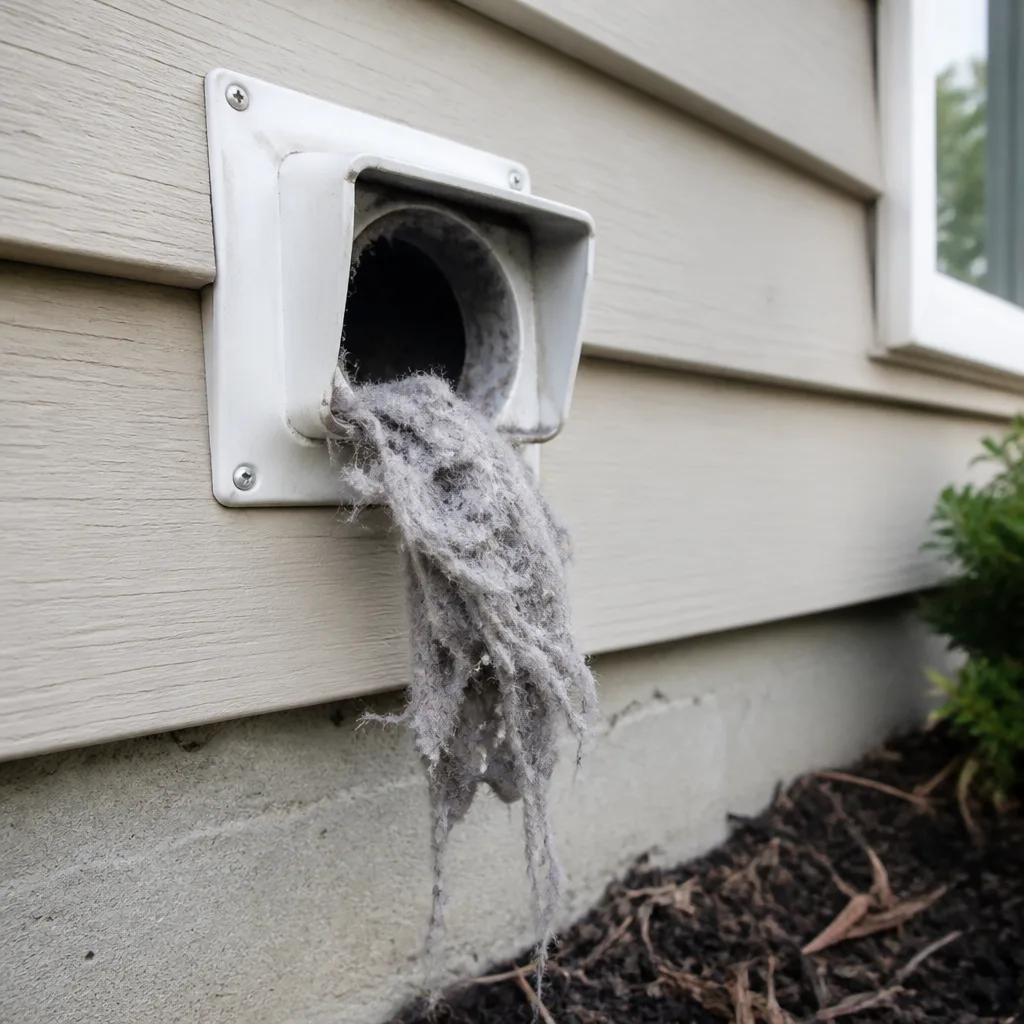 Dryer vent cleaning
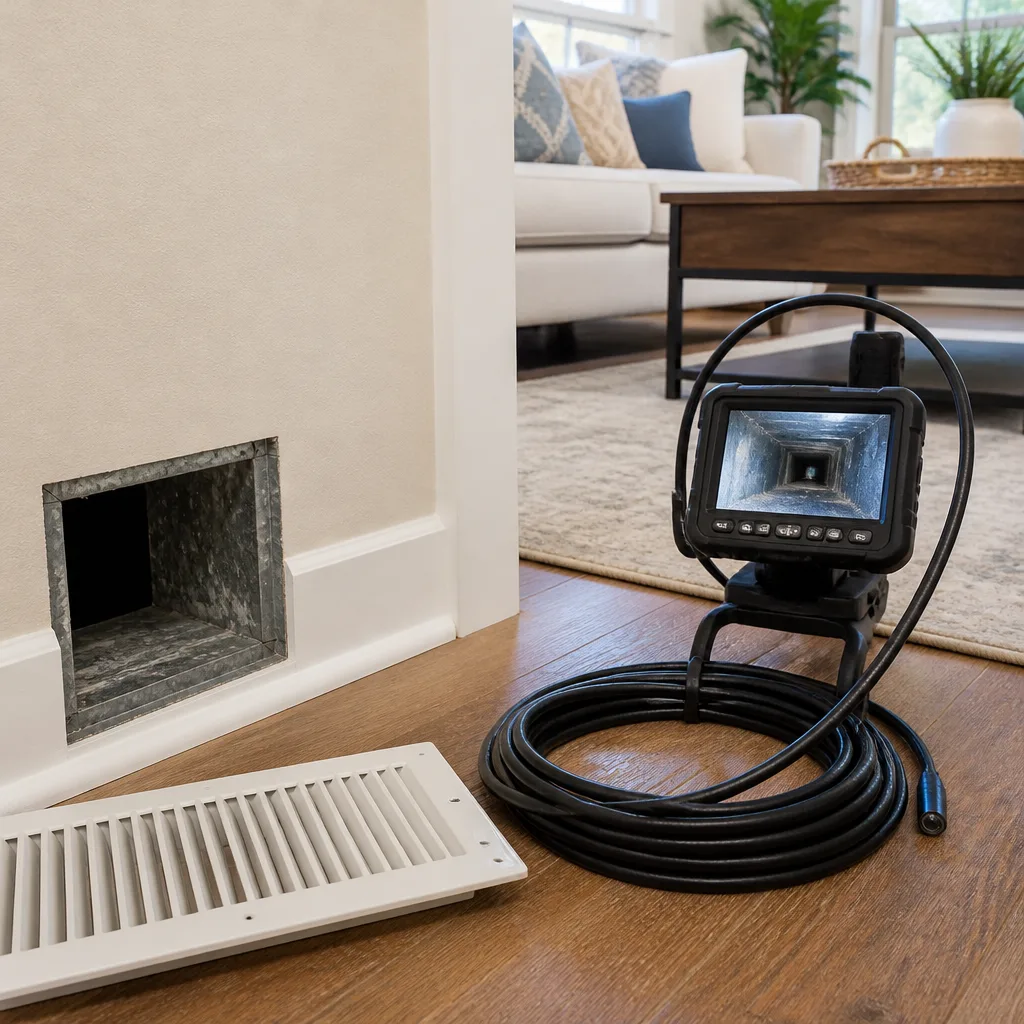 Camera inspection
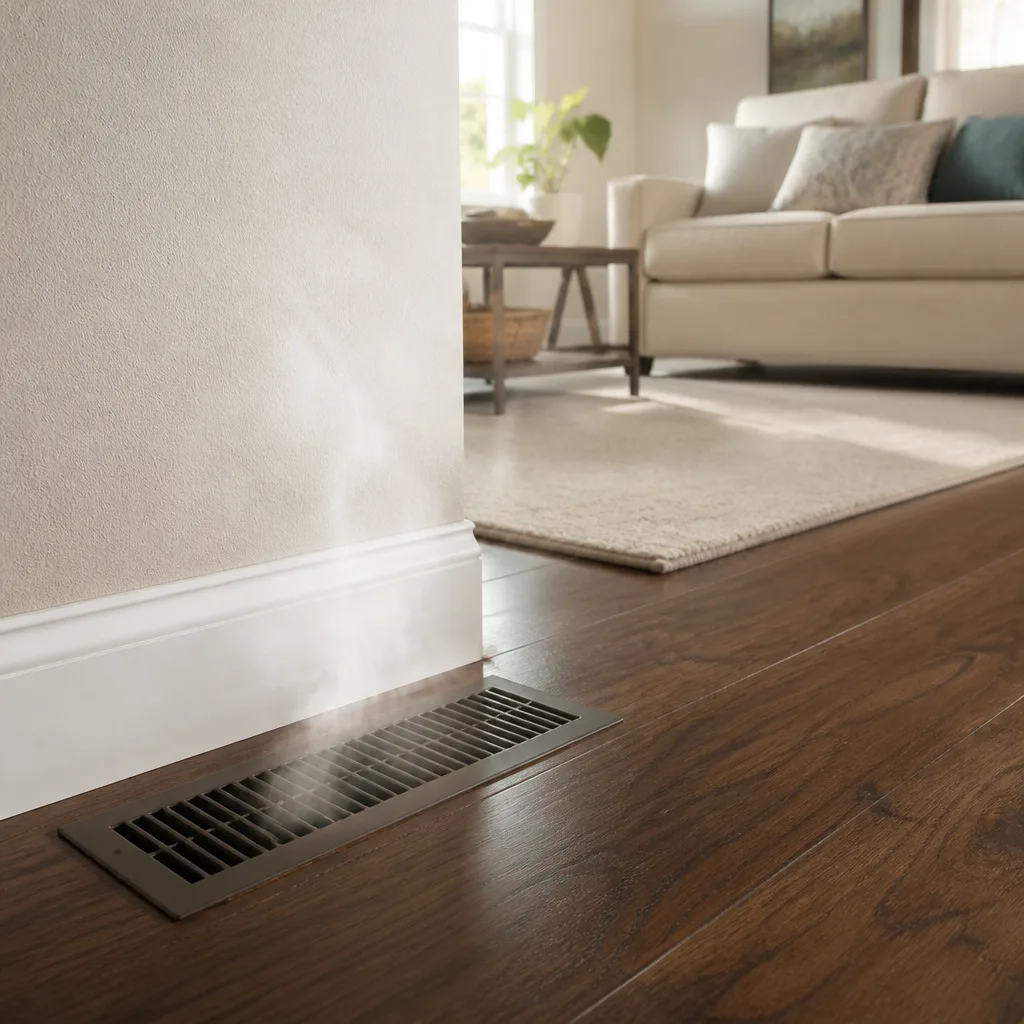 Sanitizing & deodorizing
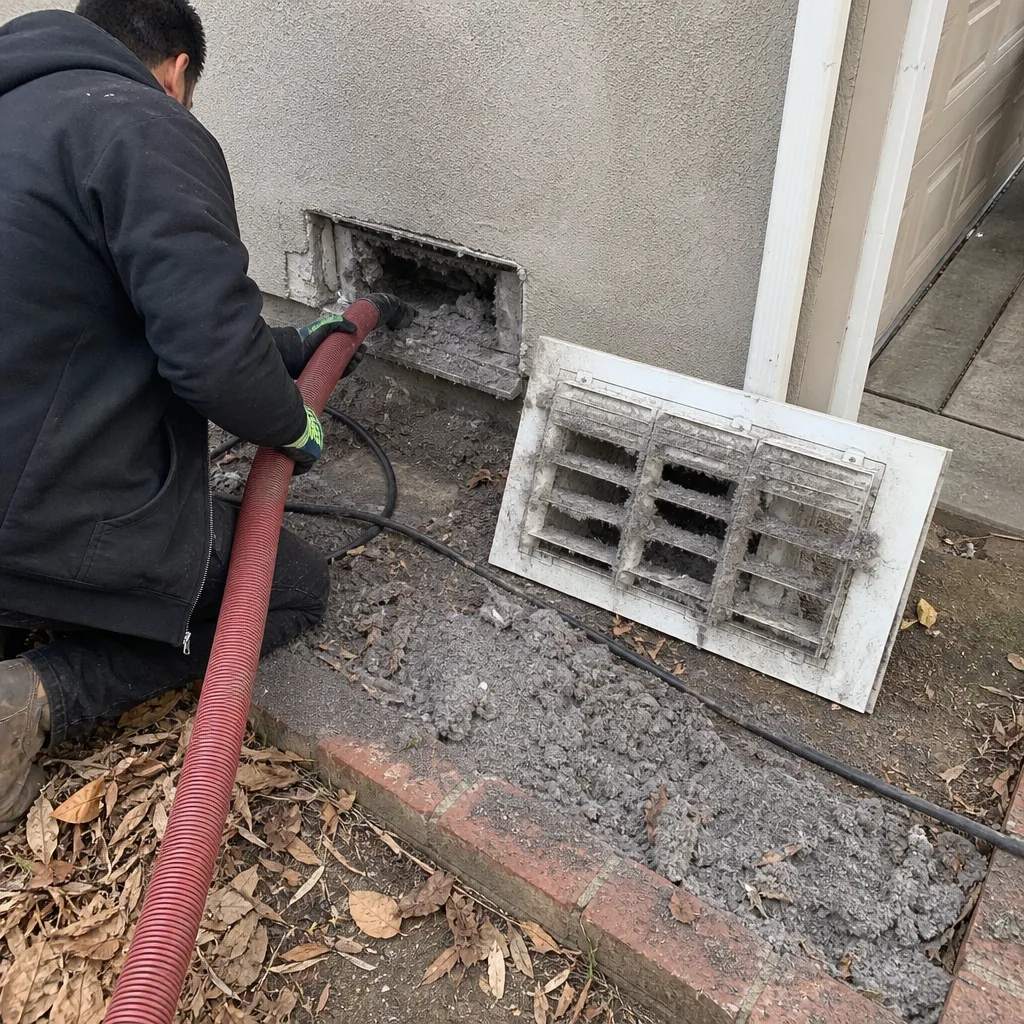
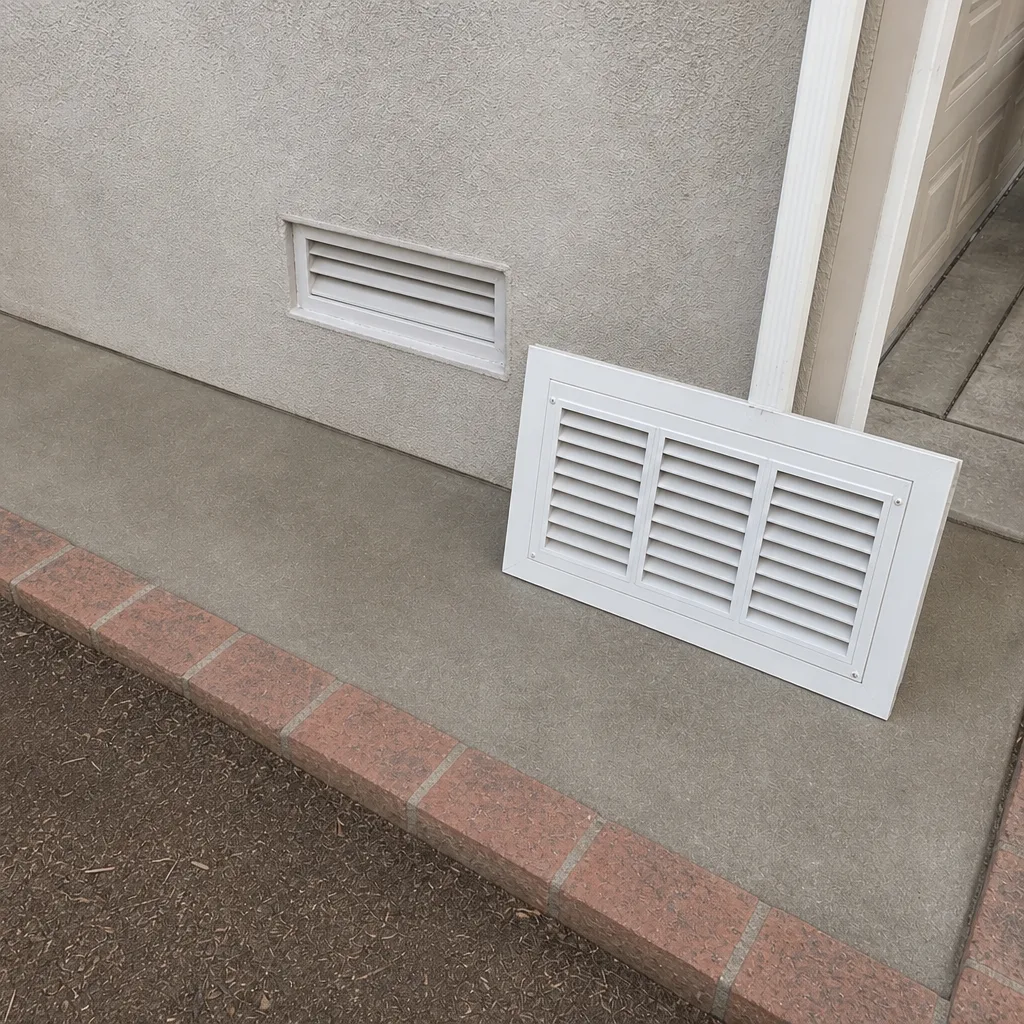
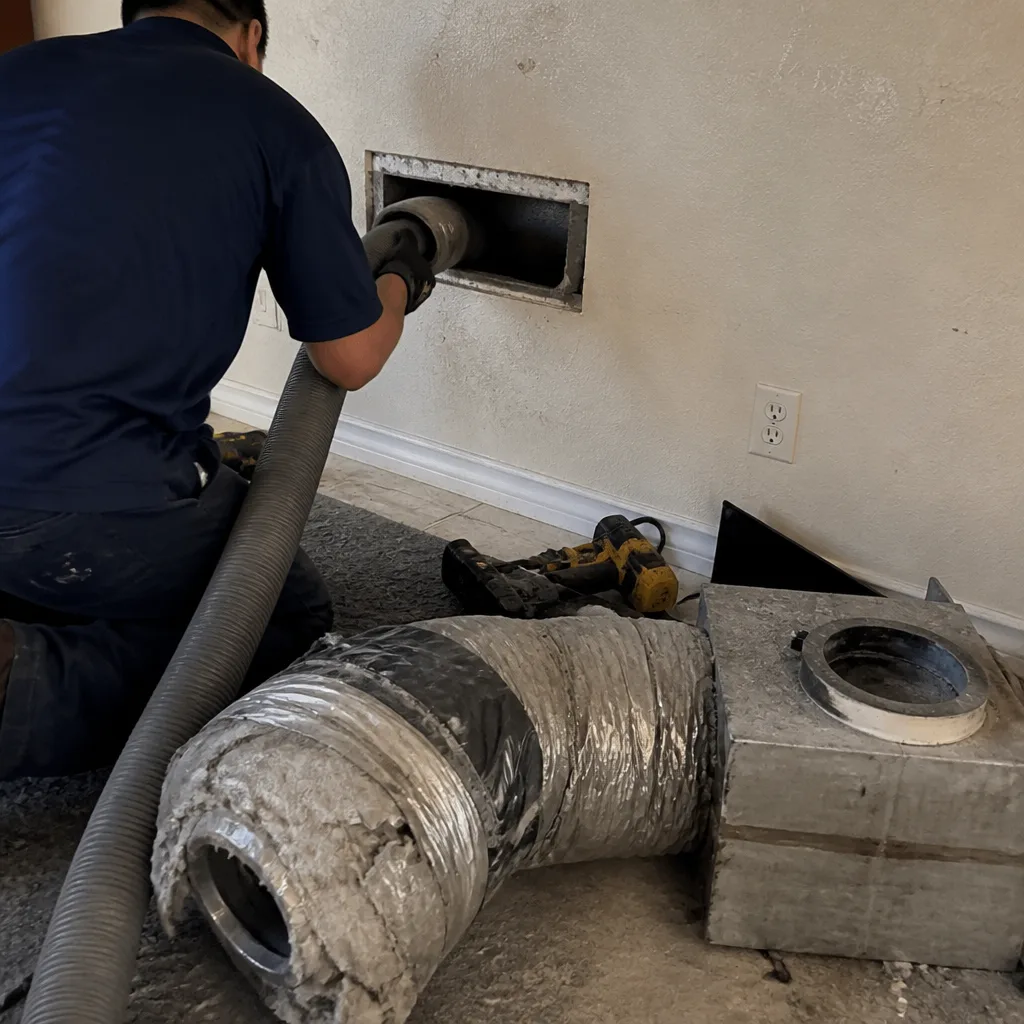
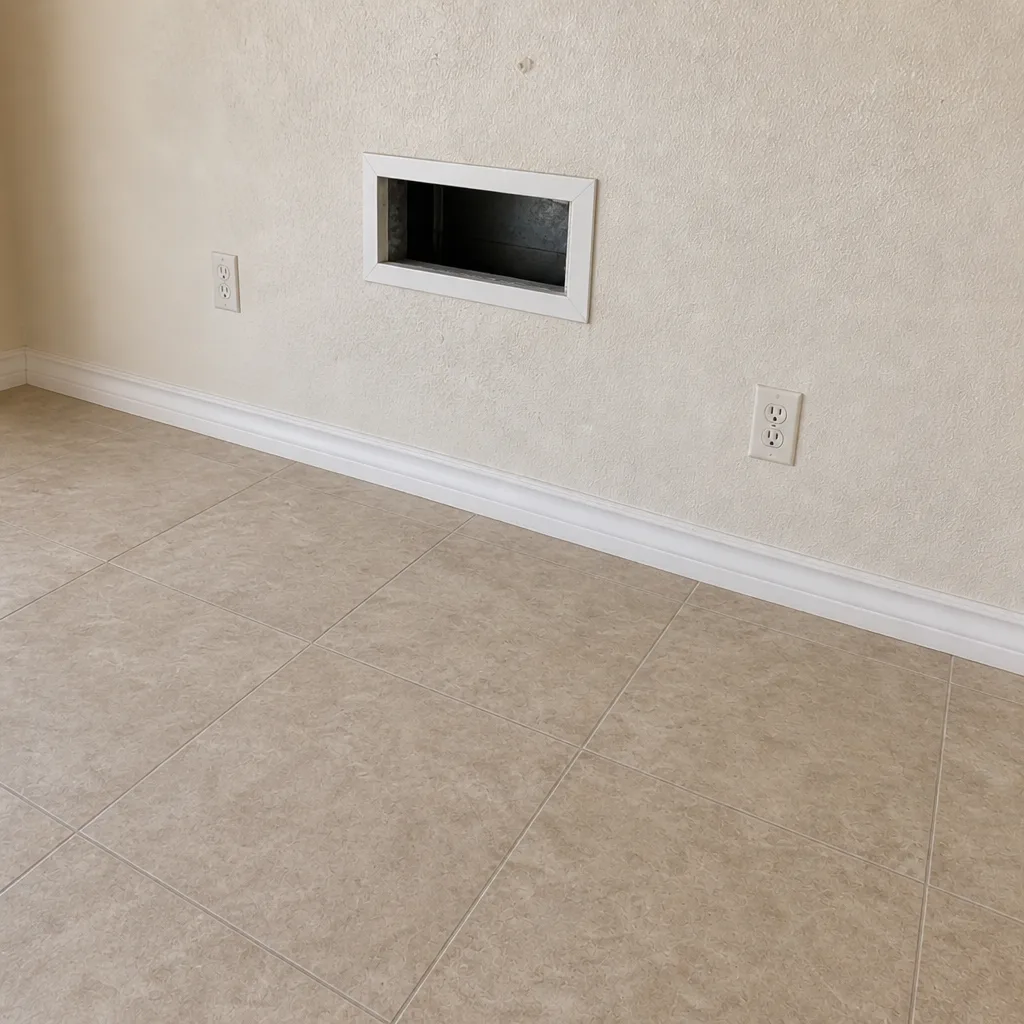
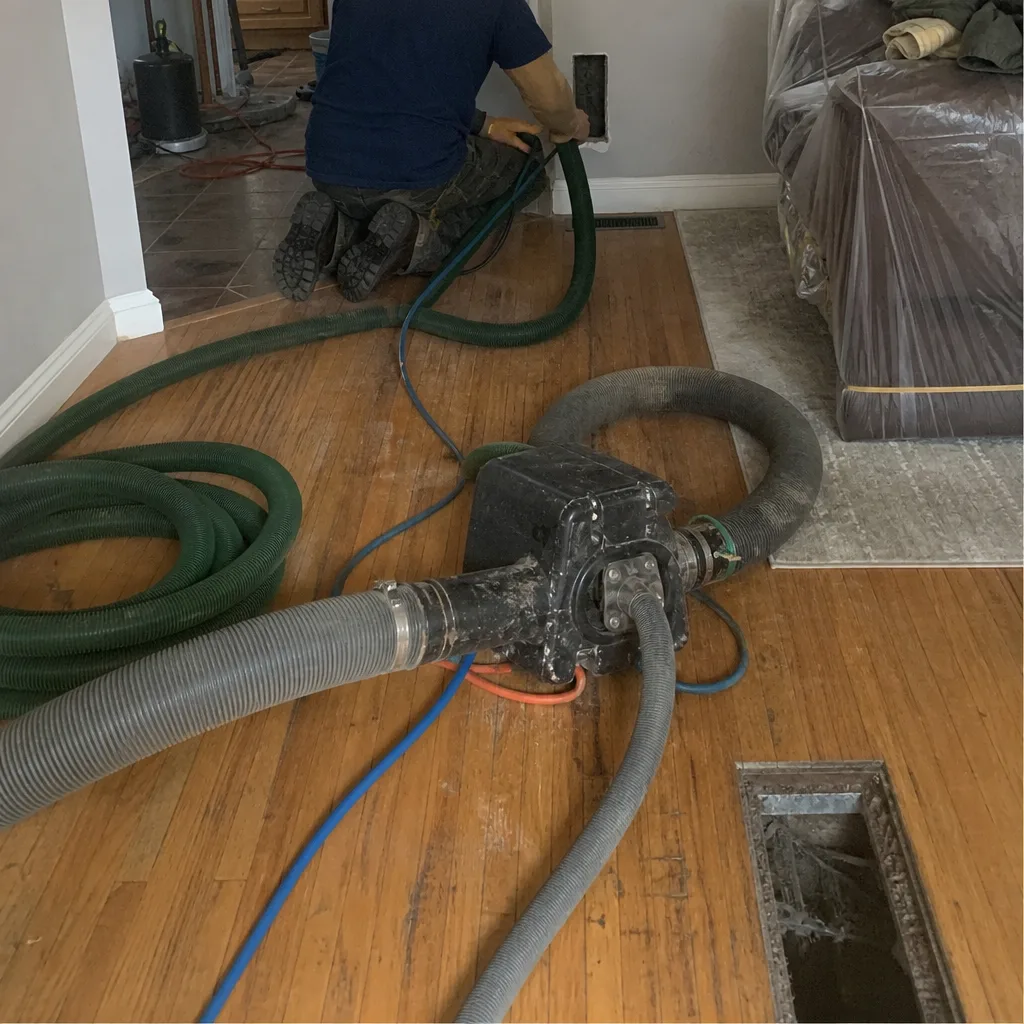
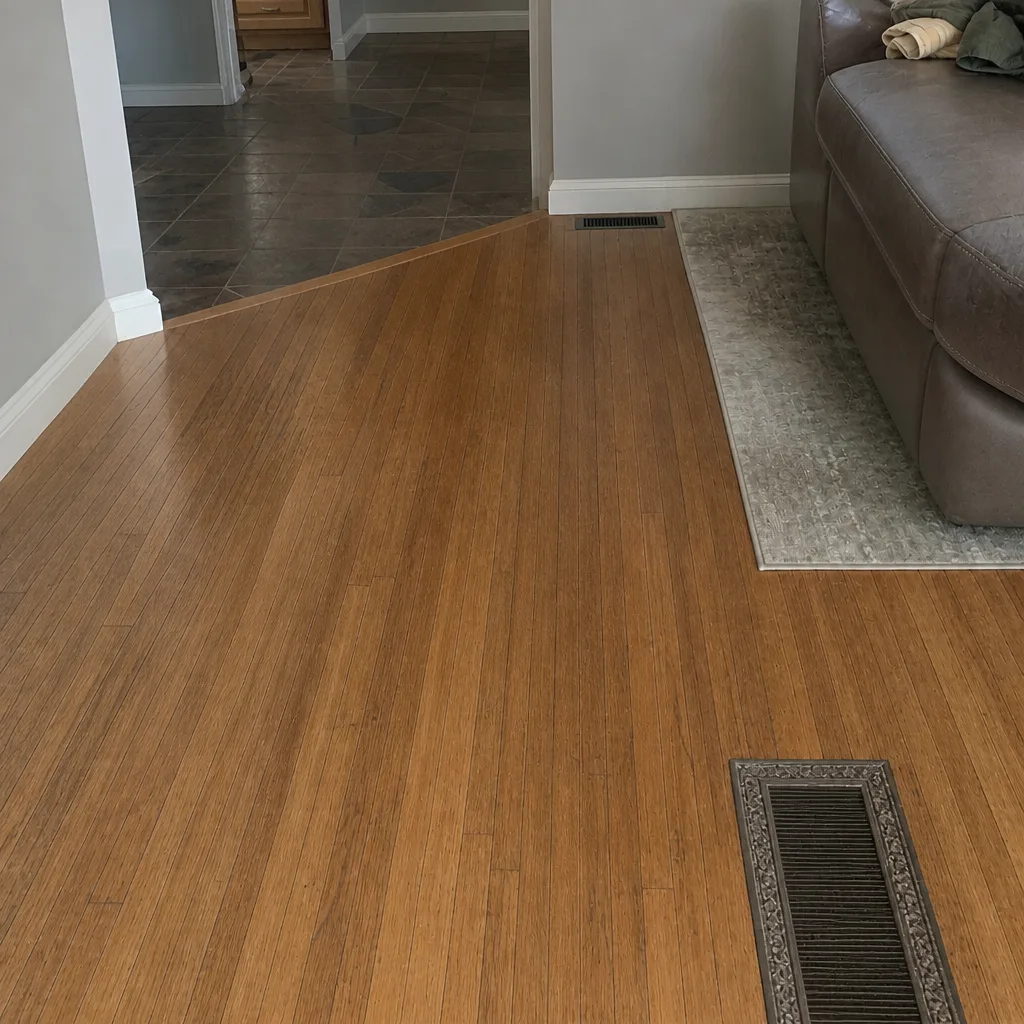
Whole-system duct and dryer vent check with before-and-after photos - you see exactly what came out of your vents
That "$99 whole-house special" is a bait ad - the real number appears once they are in your hallway, or the "clean" is a shop-vac at the register. We photograph the inside of your ducts before and after instead.
Air Duct Cleaning Permits, Codes & Inspections in Roseville, CA: What You Need to Know
If someone pulls your furnace access panel, installs an in-duct device, or swaps a section of flex duct during a cleaning job and never mentions permits, that’s not a favor. It’s a liability that can follow the house, not the contractor. Here’s the part that trips people up: cleaning the inside of your ducts, on its own, needs no permit in Roseville. But the add-on work that often gets bundled into a “cleaning” visit, like sealing, component replacement, or filtration upgrades, can cross into California Mechanical Code territory and Title 24 energy compliance. This guide walks through where the line sits, who has jurisdiction in Roseville, and how to keep an unpermitted change from becoming your problem at resale or claim time.
Quick Answer
Standalone air duct cleaning does not require a building permit in Roseville, CA. Permits and code compliance come into play when the work modifies the duct system itself, such as sealing ductwork, replacing duct sections or components, or installing equipment like a UV system or new filtration, which can trigger California Mechanical Code Section 601 and Title 24 energy requirements. The homeowner carries the exposure if that work is done unpermitted, so always ask a contractor to separate cleaning scope from modification scope in writing.
Styles & brands we work with
- Whole-home duct cleaning
- Dryer vent cleaning
- Camera inspection
- Sanitizing & deodorizing
Table of Contents
- Cleaning vs. Modification: Where the Permit Line Actually Sits
- California Mechanical Code Section 601 and Duct Work
- When Title 24 Energy Compliance Applies
- Roseville and Placer County: Who Has Jurisdiction Over Your Property
- Your Liability Exposure as a Homeowner
- How to Ask a Contractor to Separate Cleaning From Add-On Work
- What an Inspection Actually Looks Like
- How Roseville’s Climate Shapes Duct Condition
Cleaning vs. Modification: Where the Permit Line Actually Sits
The cleanest way to think about this is scope. Cleaning removes debris from inside a duct system that already exists and already passed whatever code applied when it was installed. Modification changes the system. Roseville homeowners get into trouble when a contractor blurs the two and performs modification work under the label of “cleaning.”
Standalone cleaning, done properly with negative-air containment and HEPA-rated extraction, is a maintenance service. No permit. No inspection. A technician opens access points, agitates the debris with a brush system, and extracts it while the workspace stays under negative pressure so contaminants leave the duct instead of settling into your living room. That is the entire job. If that’s all you’re buying, there is nothing to permit.
The moment the work touches the system’s structure or adds equipment, the picture changes. Here’s the split we walk Roseville customers through:
- No permit typically needed: routine cleaning, access-point cuts that are properly sealed afterward, and visual assessment.
- Permit likely required: replacing a run of flex duct, rerouting a duct, installing a new register or return, adding an in-duct UV or filtration device that ties into the mechanical system, or making changes that affect the system’s energy performance.
- Case-by-case: duct sealing, depending on whether it’s treated as maintenance or as an alteration to the system’s performance characteristics.
None of that means the modification work is bad. It means it needs to be separated, evaluated, and permitted if it applies. If you’re scheduling a cleaning and want to understand the base service first, our air duct cleaning page covers what a proper visit involves from start to finish.
California Mechanical Code Section 601 and Duct Work
California Mechanical Code Section 601 governs duct systems, and it’s the section most often cited when duct work gets flagged during inspection. The core of it is about how ducts are constructed, sealed, supported, and connected to the equipment they serve. It’s not a section that applies to cleaning. It applies to the physical system and anything that alters it.
In practical terms, here’s what Section 601 territory looks like during a service visit:
- Any cut or opening made into the duct system must be closed with a permanent, sealed closure. Tape or a loose patch is not that.
- Flex duct that gets replaced must be installed with proper support, no sharp bends, and correct connection at both ends.
- Duct connections to the furnace or air handler must remain sealed and intact after any work is done.
- Any equipment installed in or attached to the duct system must be installed per its listing and the code’s requirements.
Here’s the honest part: a genuine cleaning visit shouldn’t require you to know Section 601 by number. What it requires is a contractor who does. When a technician opens an access panel and does nothing else, that’s cleaning. When a technician opens an access panel and then proposes to “just swap out this bad section while we’re here,” you’re now in Section 601 territory, and you deserve to know that before the work happens, not after.
Our technicians have up to 9 years of experience, and that experience includes routinely explaining which part of a visit is cleaning and which part is repair. We offer air duct repair as a standalone service for exactly this reason: so the repair piece can be scoped, discussed, and permitted if needed, separately from the cleaning.
When Title 24 Energy Compliance Applies
Title 24 is California’s energy code, and it becomes relevant to duct work when the work changes how the system performs, not when it’s cleaned. That’s the dividing line. It matters most during renovations, equipment replacement, and alterations to duct systems that affect their energy efficiency.
The situations where Title 24 likely enters the conversation during or after a cleaning visit:
- Duct sealing work performed as an alteration to improve system efficiency.
- Replacement of an HVAC component, such as the air handler or a major portion of the duct system.
- Adding equipment that changes the system’s energy characteristics.
- Any work that would be reviewed as part of a larger remodel or addition.
Homes in Roseville built or renovated in recent decades generally already meet Title 24 as it existed at construction. The risk isn’t the original build. The risk is unpermitted alterations made afterward that never went through review, then surface during a home inspection when the house changes hands. Buyers’ inspectors look at the mechanical system. If they see duct work that isn’t documented, the question gets asked, and the answer lands on the seller.
Title 24 is a technical area where the details shift over time, so the practical advice is this: if a proposed add-on changes your system’s efficiency or replaces components, ask the contractor whether Title 24 compliance applies to your property. Then confirm with the building department. If the contractor hesitates or waves the question off, that itself is worth noticing.
Roseville and Placer County: Who Has Jurisdiction Over Your Property
Roseville sits in Placer County, and the jurisdiction question is one of the first things to sort out, because it determines who you call to verify permits and who inspects the work. Most Roseville properties fall under the City of Roseville’s building department. Some unincorporated areas near Roseville fall under Placer County. The line runs by address, not by neighborhood reputation.
Here’s how to verify what applies to your specific property:
- Look up your property on the Placer County Assessor’s parcel viewer or the city’s online permit portal to confirm jurisdiction.
- Find the building department for that jurisdiction and check its online permit search for prior permits on the address.
- Call the building department directly and describe the work in plain terms: “I’m having duct cleaning done and the contractor proposes to replace a section of flex duct. Does that require a permit?”
- Ask whether any of the proposed work falls under Title 24 review for your property.
- Keep any written guidance you get, along with your contractor’s written scope, in your home records.
This is not busywork. A five-minute call resolves the permit question for your address and gives you something defensible on paper. Roseville’s permit systems are accessible online, and the building department is used to these questions. Contractors who do this work routinely know the answer already; the ones who don’t are worth a second look.
Your Liability Exposure as a Homeowner
When unpermitted work is done on your property, the liability follows the property, not the contractor. That’s the uncomfortable truth, and it’s the reason this section matters more than any other in this guide. Permits and inspections create a paper trail tied to the address. If the paper trail is missing, the homeowner is the one asked to explain.
Where the exposure shows up:
- Insurance claims: If a covered loss involves a mechanical system alteration that wasn’t permitted, the insurer may scrutinize it. A claim isn’t automatically denied, but a documented, permitted installation is a much cleaner position.
- Home sale inspections: Buyers’ inspectors routinely note unpermitted work, and the seller is typically asked to obtain permits after the fact or provide documentation. Retroactive permitting has costs and time attached.
- Future service: A contractor who arrives to service equipment with undocumented modifications is working on an unknown quantity.
- Disclosures: Sellers who know about unpermitted work have a disclosure obligation in most transactions.
None of this is a scare tactic. It’s the natural consequence of a system that tracks changes by address. The homeowner’s protection is simple: keep the cleaning scope clean, and if modification work is proposed, insist on documentation before it happens. That’s why our approach is to give you a written scope, agree one flat price per system up front, and share before-and-after photos of your own ducts so you know exactly what was done.
How to Ask a Contractor to Separate Cleaning From Add-On Work
The most useful thing you can do for yourself as a Roseville homeowner is insist on a written scope that lists cleaning and any proposed add-on work as separate items with separate prices. This single habit resolves most of the permit ambiguity before it starts, because add-on work can then be evaluated on its own merits, permit requirements included.
Here’s the script that works:
- Ask for a written estimate that lists “cleaning” and “any repairs or modifications” as distinct line items with distinct prices.
- For each add-on item, ask: “Does this change the duct system itself, or is it maintenance?”
- For anything that changes the system, ask: “Does this require a permit in Roseville, and will you pull it?”
- Ask for the answer in writing in the estimate, not just verbally.
- Call the building department to confirm for your address.
- If a contractor won’t provide the written breakdown, book with one who will.
Our business is built on a narrow scope: air duct cleaning, dryer vent cleaning, and air duct repair. We don’t install HVAC systems or perform renovations, which means when we tell you a proposed change is repair rather than cleaning, we’re describing the work we actually do. If a proposed change is outside that scope, we’ll say so and point you to the right professional. That’s the point of a narrow focus.
What an Inspection Actually Looks Like
A duct cleaning visit isn’t an inspection in the permit sense, and it’s worth understanding the difference. A permit inspection is performed by the jurisdiction’s building inspector on permitted work. A service visit assessment is performed by the contractor, and it’s what tells you what condition your system is in. Roseville homeowners benefit from understanding both.
The service assessment: a technician examines the ductwork, the connections at the air handler, the register and return boots, and the accessible sections of the system. They look for disconnection, crushed or damaged sections, poor sealing at joints, and debris accumulation. Good contractors use HEPA-rated extraction equipment like Nikro to keep the workspace clean during assessment and cleaning, and brush-agitation systems like Rotobrush to address compacted debris that a vacuum alone won’t dislodge. Our technicians use both, along with Abatement Technologies negative-air equipment to keep contaminants contained where they belong: inside the duct, leaving the house.
The permit inspection: performed by the building inspector if modification work was permitted. They verify the work matches what was permitted and that it meets code. Your role is to make sure the work was permitted in the first place. If it wasn’t, there’s no inspection to book and the exposure stays with you.
Our inspection-side value is straightforward: we tell you what we actually see and recommend the right next step. If we find filtration that needs attention, we can assess Honeywell and Aprilaire systems since we’re familiar with them. If we find duct damage, we can repair it as a standalone job. What we won’t do is perform modification work and call it cleaning.
How Roseville’s Climate Shapes Duct Condition
Roseville’s summers are long, hot, and dry. That climate has a real effect on duct systems, and it’s part of why duct condition matters here more than in milder areas.
Hot, dry air means the HVAC system runs hard for more of the year. Long run times push more air through the ductwork, and the joints that were tight when the system was installed can loosen over time. When a joint loosens, conditioned air leaks into the attic space, the system works harder, and the energy penalty compounds across the summer. Dry conditions also mean dust accumulates faster in the ducts between cleanings, and that dust gets circulated every time the system runs. That’s the cycle that leads so many Roseville homeowners to notice worsening allergies, uneven airflow between rooms, and musty smells that weren’t there before.
The climate doesn’t change the permit rules, but it does change the practical value of getting the cleaning done right and getting any repair work properly scoped. A well-sealed, properly cleaned system in a Roseville home performs better through the summer, and the paper trail we’ve described protects you when you sell. Doing the work well and documenting it properly are the same job.
Common Mistakes to Avoid
- Letting a “cleaning” visit include unmentioned duct modifications. If a contractor proposes repair work that wasn’t in the written scope, stop and ask for it to be added as a separate line item. Never let it happen under the cleaning line item.
- Skipping the call to the building department. A five-minute call to Roseville’s building department resolves the permit question for your specific address. It’s the cheapest protection available.
- Treating a written estimate as the same thing as a permit. A written estimate is documentation of scope and price. It is not a permit and it does not substitute for one.
- Assuming Title 24 only applies to new construction. Title 24 comes into play during alterations that affect system performance, not only at construction. If the work changes system efficiency, ask about compliance.
- Choosing a contractor based on a coupon price alone. The per-vent coupon model is where the bait-and-switch reputation comes from. A whole-system price agreed before work starts is worth more than any coupon.
- Not keeping records. Keep the written estimate, the before-and-after photos, and any building department guidance together. Future buyers and future insurers will want them.
- Confusing a service assessment with a permit inspection. Only the jurisdiction’s building inspector performs the permit inspection. A contractor’s assessment is valuable but it isn’t a substitute.
See the difference
 Before
 After
 Before
 After
 Before
 After
When to Call a Professional
Call a professional when you notice symptoms in your Roseville home that point to a duct system problem. Persistent musty smells, noticeably uneven airflow between rooms, worsening allergy symptoms indoors, visible debris at the registers, or a dryer that needs more than one cycle to dry a load are all real signals. Call when you’re buying a home and the inspection report flags duct work with no documented permits, since that’s a question worth answering before closing. Call when a contractor has proposed add-on work during a cleaning visit and you want to understand what’s cleaning and what’s modification before anyone starts. Duct Cleaning Roseville offers free estimates in Roseville. Call (855) 473-9048. We answer 24/7. Fast dispatch from 7am to 7pm, Sunday through Friday.
Frequently Asked Questions
No. Standalone air duct cleaning does not require a building permit in Roseville. Cleaning is a maintenance service that removes debris from an existing system. Permits become relevant when the work changes the system itself, such as replacing duct sections, adding equipment, or performing sealing that’s treated as an alteration. If a contractor proposes add-on work during a cleaning visit, ask whether it requires a permit and confirm with the building department. Call (855) 473-9048 for a free quote.
California Mechanical Code Section 601 applies when the duct system itself is constructed, altered, or repaired, not when it’s cleaned. In practice, it comes into play when duct sections are replaced, connections are changed, or equipment is installed in or attached to the system. Cleaning alone doesn’t trigger it. Our technicians have up to 9 years of experience and will tell you plainly which part of a proposed visit is cleaning and which part is code-scoped repair. Call (855) 473-9048 with questions about your specific situation.
It can, depending on how the sealing is treated. Title 24 is California’s energy code, and it applies when work changes a system’s energy performance rather than when the system is cleaned. Duct sealing performed as an efficiency alteration or as part of a larger renovation is where Title 24 most often comes up. Confirm with the building department for your address before committing to the work. Call (855) 473-9048 for a free estimate on cleaning or repair.
Most Roseville properties fall under the City of Roseville building department, while some unincorporated areas fall under Placer County. Jurisdiction runs by address, so verify yours before assuming. Look up the parcel, check the permit history through the city’s or county’s online portal, and call the building department to confirm any permit requirement for proposed work. Keep the written guidance with your home records. Call (855) 473-9048 if you want a written scope to take to the building department.
The exposure generally follows the property, not the contractor, which means the homeowner may be asked about it during an insurance claim or a future home sale inspection. Retroactive permitting is possible but involves time and cost. If you discover unpermitted work, gather whatever documentation exists, call the building department for your address, and get written guidance on next steps. Call (855) 473-9048 for a free cleaning or repair estimate and a written scope you can keep.
Ask for before-and-after photos of your own ducts, not stock images. A proper cleaning visit uses negative-air containment and HEPA-rated extraction so contaminants leave the duct instead of settling in the living space, and the technician should explain what equipment is being used. Our technicians use Abatement Technologies negative-air equipment and Nikro HEPA extraction, and we agree one flat price per system before work starts. Call (855) 473-9048 for a free estimate.
The Bottom Line
Cleaning your air ducts in Roseville doesn’t require a permit. Modifying your duct system might, and that’s the distinction that protects you. California Mechanical Code Section 601 governs duct construction and repair. Title 24 energy compliance can apply to sealing and component changes. Jurisdiction runs by address, so verify yours with the City of Roseville or Placer County before committing to add-on work. The homeowner carries the exposure when unpermitted work surfaces at resale or in an insurance claim, so insist on a written scope that separates cleaning from modification, and ask the permit question before the work starts. That single habit is worth more than any coupon.
Get a Free Estimate on Properly Scoped Duct Work
Duct Cleaning Roseville covers air duct cleaning, dryer vent cleaning, and air duct repair for homeowners in Roseville, with professional-grade equipment and a written scope on every job. If you want to know what’s cleaning and what’s repair before anything starts, we’ll tell you plainly. Visit our Roseville service page for local details, or start at duct cleaning Roseville to see what a proper visit involves. Call (855) 473-9048 for a free estimate. We answer 24/7. Fast dispatch from 7am to 7pm, Sunday through Friday.
Written by the team at Duct Cleaning Roseville.