
Last updated November 14, 2026
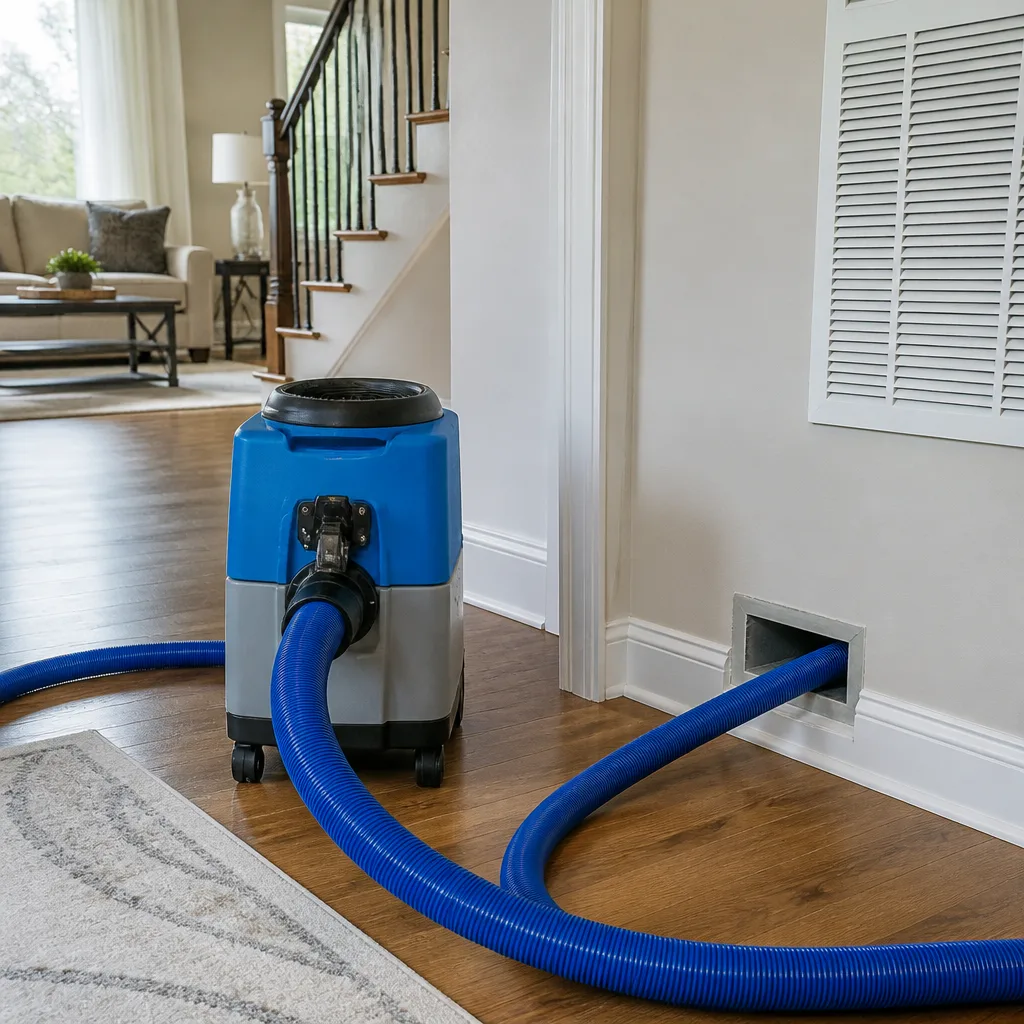 Whole-home duct cleaning
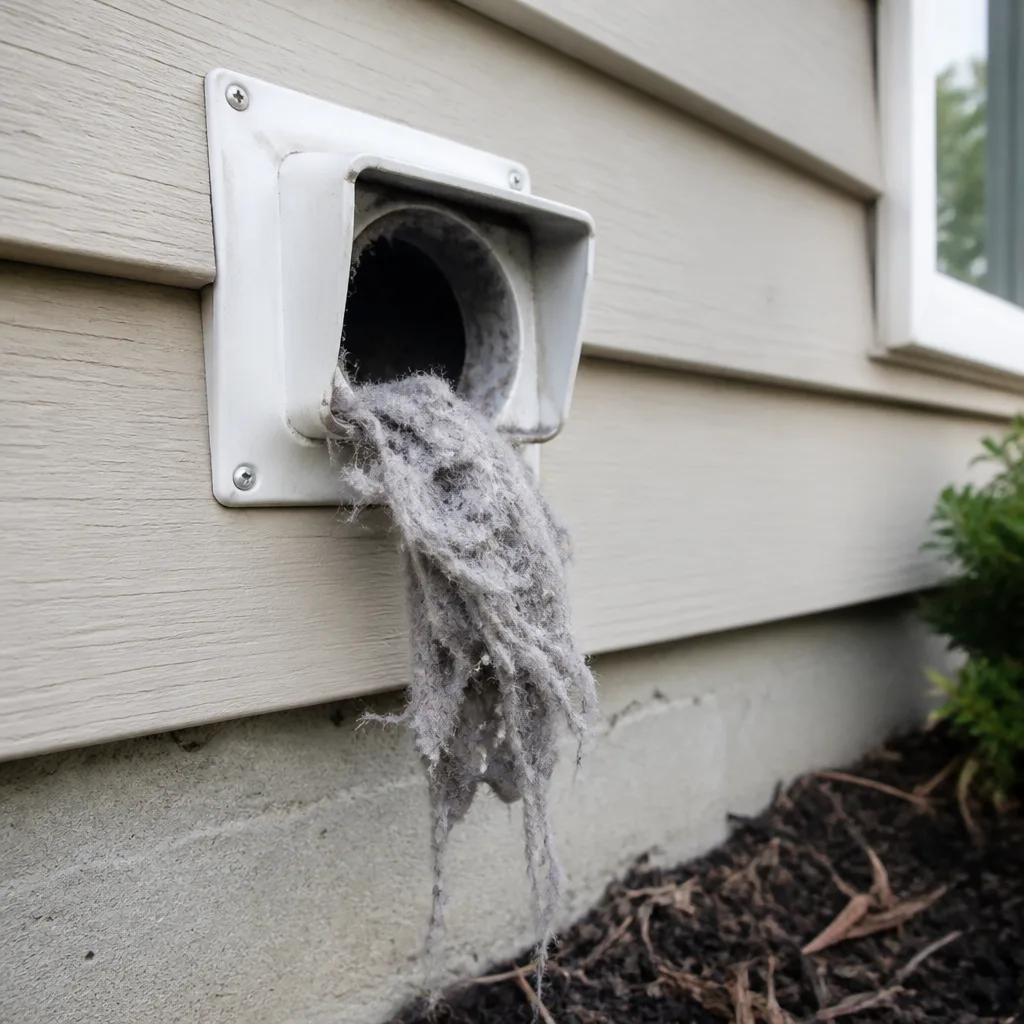 Dryer vent cleaning
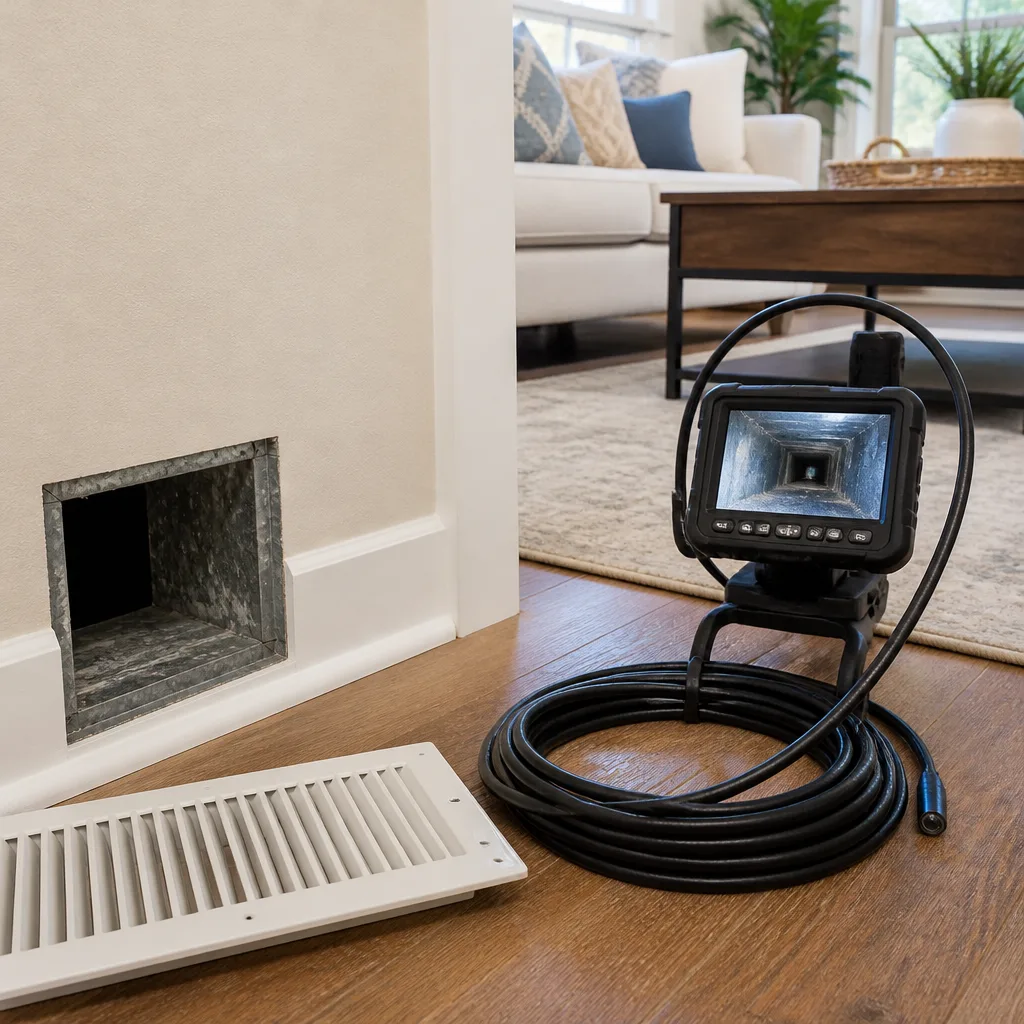 Camera inspection
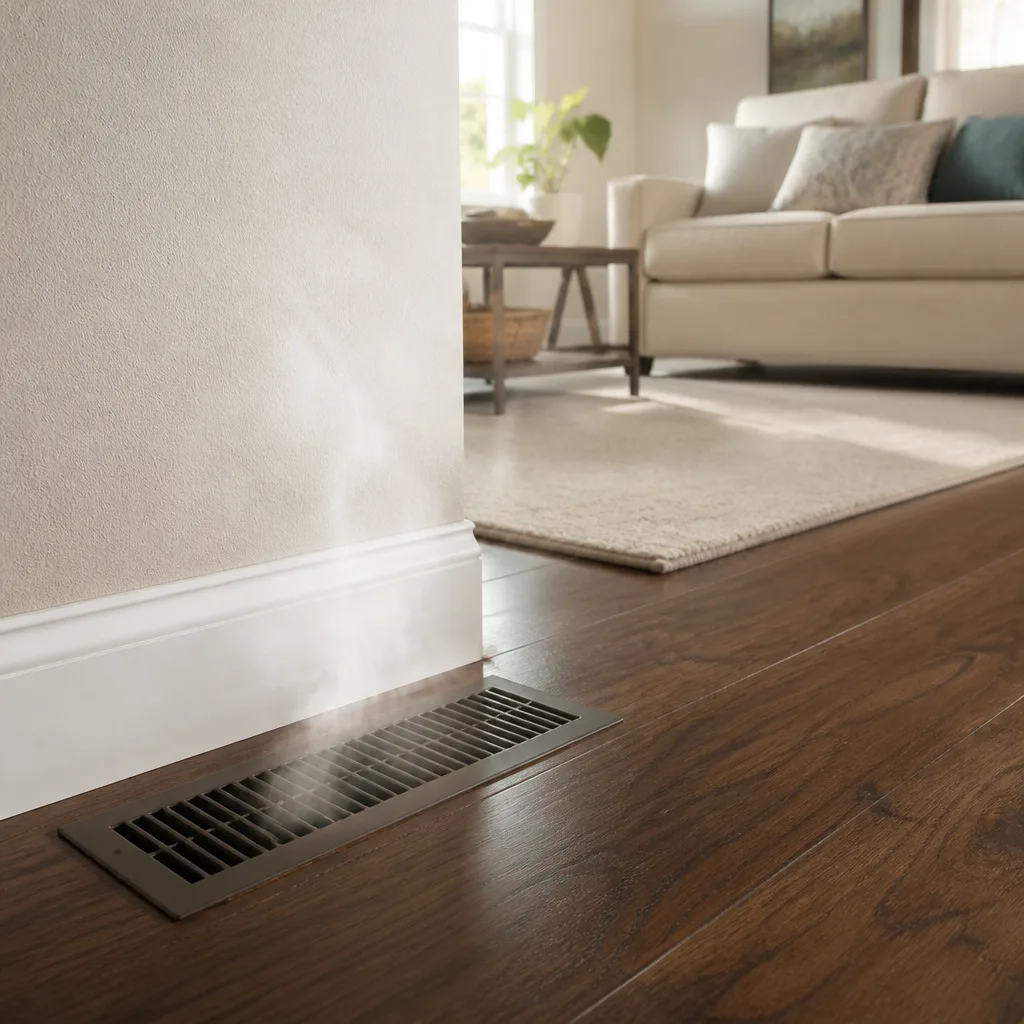 Sanitizing & deodorizing
Whole-system duct and dryer vent check with before-and-after photos - you see exactly what came out of your vents
That "$99 whole-house special" is a bait ad - the real number appears once they are in your hallway, or the "clean" is a shop-vac at the register. We photograph the inside of your ducts before and after instead.
Air Duct Cleaning Troubleshooting in Roseville: Common Problems and How to Fix Them
If your HVAC tech has replaced the filter three times this year and your rooms still smell stale, the problem almost certainly isn’t the filter. It’s what’s upstream of it in your duct system. Filters catch what reaches them; they can’t do anything about a collapsed run of flex duct in the attic, a joint that pulled apart behind a wall, or a decade of construction dust settled in the main trunk. Those problems show up as symptoms you probably already notice: one room that never gets cool, a musty smell when the system kicks on, fine gray dust on the furniture a day after you wipe it down. This guide maps those symptoms to the duct conditions that usually cause them, tells you what you can check yourself in a Roseville home, and shows where a professional diagnosis actually earns its money.
Quick Answer
Most duct problems in Roseville trace back to one of four causes: disconnected or sagging flex duct in a hot attic, a debris blockage in the main trunk or a branch run, a failed seal at a joint or register boot, or a dryer vent that’s packed with lint. You can spot some of these yourself at the registers and at exposed ductwork in the attic. Confirming the rest takes negative-pressure equipment and a camera inspection. Once the cause is identified, most duct issues can be cleaned or repaired without replacing the furnace or air handler.
Styles & brands we work with
- Whole-home duct cleaning
- Dryer vent cleaning
- Camera inspection
- Sanitizing & deodorizing
Table of Contents
- Symptom-to-Cause: Reading Your Duct System Like a Technician
- What You Can Check Yourself (and What You Shouldn’t)
- What a Camera Inspection Reveals That a Flashlight Can’t
- Roseville-Specific Triggers: Heat, Attics, and Boom-Era Construction Dust
- Triage Sequence: What to Check First
- When Cleaning Isn’t Enough: Duct Repair as a Separate Fix
- Dryer Vent Problems That Get Mistaken for Duct Problems
- Common Mistakes to Avoid
Symptom-to-Cause: Reading Your Duct System Like a Technician
Duct problems announce themselves through symptoms, and the symptoms cluster around specific failures. When we diagnose a system, we’re matching the complaint to the most likely mechanical cause before we touch any equipment. It’s the same process a doctor uses: ask about the symptom, then test for the cause. Here are the pairings we see most often.
- One room runs hot or cold while the rest of the house is fine. The branch run serving that room is usually the culprit. Flex duct can collapse, kink at a bend, or slip off its collar at the register boot. If the room is at the end of the longest run, reduced airflow from a partially crushed duct can be enough to throw off temperature by several degrees.
- A musty or stale smell when the system starts. That smell is often returning from the attic or crawlspace through a leak in the duct system. A disconnected joint pulls attic air into the supply side, and attic air in Roseville carries dust, insulation fibers, and whatever else has settled up there.
- Fine gray dust settling quickly after cleaning. The dust source is upstream. Debris in the duct is being pushed into the living space through the supply registers, or a return leak is drawing in dust that never gets filtered.
- Visible debris at a register. Debris visible on the register face is usually a sign of a blockage or heavy accumulation farther back in the run. It’s the top of the pile, not the pile.
- Whistling or rattling at registers. Restricted airflow from a crushed or partially disconnected duct increases static pressure and produces noise. Rattling can also indicate a register boot that has separated from the drywall.
None of these symptoms require replacing your HVAC equipment. That’s the key insight: the furnace, air handler, and condenser are usually doing their jobs. The distribution system around them is failing. Cleaning and repair cover that gap. A dedicated air duct cleaning service addresses the accumulation; repair addresses the structural failure. Sorting out which applies is the job of diagnosis.
What You Can Check Yourself (and What You Shouldn’t)
You can gather real information before you call anyone, and it makes the call more productive. Here’s what’s safe and useful to check on your own.
Check at the registers. Remove a supply register cover with a screwdriver and look inside with a flashlight. You’ll often see the sheet-metal boot, and beyond it the flex duct. Look for visible debris, torn duct liner, or a duct that’s obviously pulled back from the boot. Check the return-air grille too; that’s the system’s intake and can tell you a lot.
Check the filter slot. A filter that’s loading up faster than usual means more debris is moving through the system. The filter isn’t the problem; it’s evidence. Look at the filter housing around the filter. Dust streaks around the edges mean air is bypassing the filter and unfiltered air is entering the system.
Check exposed flex duct in the attic, if you can do it safely. Look for sagging runs (flex duct should be supported so it doesn’t droop), kinks at sharp bends, disconnected sections, and runs resting directly on the ceiling joists. You’re not fixing anything; you’re gathering notes.
Check the dryer vent termination. With the dryer running, verify that air is moving out of the exterior vent flap. If the flap barely moves, or lint is packed around the exterior hood, the vent is restricted.
Don’t do these things. Don’t crawl into tight attic spaces with uncertain footing, don’t try to open sealed ductwork, and don’t reach into a duct to pull out debris. You’ll stir up what we use HEPA extraction to contain.
What a Camera Inspection Reveals That a Flashlight Can’t
A flashlight and a mirror only show you the first foot or two of a duct. That’s exactly where the debris usually isn’t. The problematic accumulation in a Roseville home is normally in the main trunk, in the long runs, and at the joints behind walls and ceilings where nobody has looked since the house was built.
Camera inspection changes the picture because it lets a technician see the inside of the duct without cutting into it. Working with brush-agitation and vacuum-extraction systems like Rotobrush and Nikro, we push a camera through the system before and after cleaning. The inspection shows:
- The actual interior condition of the duct, not just the register face.
- Whether a joint or seam has separated and where.
- The extent and character of the debris: construction dust, drywall dust, pet hair, insulation fragments, or lint.
- Whether a flex run has collapsed or is just sagging, which are two different fixes.
- Whether the system has been contaminated by rodent activity or a moisture problem.
The after-cleaning view matters just as much as the before. It’s how you verify the job was actually done rather than trusting a technician’s word. Compare that with a shop-vac approach: you see a machine running, but you don’t see what happened inside the duct. Negative-air containment with Abatement Technologies equipment keeps the exhaust from your living space while the camera documents the result.
Roseville-Specific Triggers: Heat, Attics, and Boom-Era Construction Dust
Roseville’s climate and housing history create two duct problems that show up here more than in many places.
The first is attic heat. Roseville summers put serious thermal load on any attic space, and flex duct in a hot attic is under constant stress. The outer jacket gets brittle over time, fittings loosen as materials expand and contract, and duct runs can sag under their own weight if the support straps have given up. Sagging or kinked flex duct in a Roseville attic reduces airflow and creates leaks. Every run we inspect in a Roseville home gets a look at how the flexible material is holding up in the unconditioned attic, because that’s where the failures concentrate.
The second is construction-era dust. Roseville grew quickly in the 1990s and 2000s. Homes built during that boom decades ago still carry the dust from that construction: drywall dust, sawdust, and particulate that settled into the ductwork during the build and never got fully cleared. A house from that era doesn’t have to be dirty; it has to have ductwork that was never cleaned to a standard that removed what went in. When the blower runs, some of that fine material gets disturbed and blown into living space. A camera inspection of the main trunk on a Roseville home from that era usually shows more accumulation than a homeowner expects.
Our climate also has long dry stretches. Low indoor humidity doesn’t create duct problems directly, but it does mean dust stays airborne longer and settles visibly on surfaces, which makes an existing accumulation problem more obvious. If your complaint is “the house never feels clean,” the ducts are worth checking.
Triage Sequence: What to Check First
Work through these steps in order. By the time you’re done, you’ll either have an answer or enough information for the call that the technician can get to the right place fast.
- Look at the filter. Check the filter and the filter housing. If the filter is dirty and the housing is clean, normal. If dust is bypassing the filter, note it.
- Check each register for airflow. With the system on, hold your hand at each supply register. Note any room where airflow is clearly weaker than the others. Those are your problem rooms.
- Inspect the register interiors. Pull one supply cover and one return grille and look inside with a flashlight. Note any visible debris or a duct that’s disconnected from the boot.
- Check the exposed attic duct if safe to do so. Note sagging runs, kinks, disconnected sections, and whether duct is resting on the ceiling structure.
- Check the dryer vent. With the dryer running, confirm the exterior flap is open and air is moving. Verify the vent is clear at the exterior hood.
- Note the smell. If there’s a musty smell when the system starts, note whether it’s stronger in one part of the house. That location helps identify the return-side leak.
- Compare symptoms to causes. Weak airflow in one room plus a disconnected boot is a repair. Dust everywhere plus musty smell points to a system-wide cleaning plus sealing.
If steps one through seven don’t resolve the picture, that’s the point for a professional inspection. We can’t tell you what’s inside your main trunk from this guide. We can tell you that a proper inspection figures it out. For a closer look at our duct cleaning Roseville service and the equipment we bring, the main page is worth a read.
When Cleaning Isn’t Enough: Duct Repair as a Separate Fix
Cleaning a duct system that’s structurally compromised is one step, not the whole answer. A duct that’s disconnected, crushed, or badly sealed will get dirty again quickly and will keep wasting energy in the meantime. That’s why repairing ductwork is a standalone service for us rather than something bundled into cleaning by a generalist HVAC contractor.
What qualifies as a duct repair problem:
- Disconnected flex duct. The run has slipped off its collar at the register boot or at the main trunk. It’s pulling in attic air or dumping conditioned air into the attic.
- Collapsed or crushed flex duct. The inner lining has collapsed, or the run has been crushed by something resting on it or by a sharp bend.
- Failed joints and seams. The duct is intact but the seal at a joint has failed. Air leaks out or in.
- Torn insulation jacket. The exterior vapor barrier on the duct has been torn, exposing the inner duct to attic conditions.
- A register boot separated from the drywall or ceiling. This creates a gap that leaks conditioned air into a wall cavity.
Note what’s not on this list: we don’t replace your furnace, install a new air handler, or perform general HVAC work. Our service menu holds exactly three lines: air duct cleaning, dryer vent cleaning, and duct repair. That focus is deliberate. A team that does ductwork day in and day out is a different animal from a company that adds duct cleaning as a line item. If you’ve had a system cleaned and the problem is still there, a repair inspection is the next step.
Dryer Vent Problems That Get Mistaken for Duct Problems
The dryer vent is not part of your HVAC duct system, but its symptoms overlap with airflow problems elsewhere. A dryer that takes forever to dry a load, feels hot to the touch, or leaves the laundry warm and damp is a vent problem, not an appliance problem. If the exterior vent flap barely moves while the dryer runs, the vent is restricted.
The wider concern is safety. Lint is extremely flammable, and lint accumulation in a dryer vent is the leading cause of residential dryer fires. That’s not a small thing, and it’s why dryer vent cleaning is a separate service from duct cleaning rather than a bundled afterthought. A proper dryer vent cleaning involves:
- Disconnecting the vent from the dryer safely.
- Running a brush system through the entire vent path to the exterior.
- Using vacuum extraction to pull the loosened lint away rather than just pushing it down the line.
- Inspecting the exterior termination for proper clearance and uninterrupted airflow.
- Reconnecting the vent and verifying full airflow at the exterior flap.
A flexible foil or vinyl vent (common in older construction) is worth replacing with rigid metal duct when possible. Lint attaches to corrugated surfaces and accumulates faster. If your vent run is long, has multiple bends, or terminates in a rigid hood that’s packed with lint, cleaning matters more often.
Common Mistakes to Avoid
- Assuming the furnace is the problem before checking the ducts. Replacing a working furnace when the actual issue was a crushed flex run is a costly mistake. Symptom-to-cause diagnosis avoids it.
- Calling for duct cleaning before ruling out a structural failure. Cleaning a disconnected duct just means you’ll clean it again next year. Repair first, then clean. This matters especially in Roseville, where attic heat accelerates seal failures.
- Using a shop-vac on your own registers. A shop-vac stirs up accumulated debris and releases it into the air instead of containing it. That’s exactly what HEPA-rated extraction and negative-air equipment are for.
- Trusting a per-vent quote before you know what’s in the ducts. Per-vent pricing on a duct system with unknown condition is a quote with no diagnostic foundation. Ask for a whole-system assessment first.
- Skipping the camera inspection. Without a camera, neither you nor the technician can verify what’s inside the duct or that the work was completed. The before-and-after view is the evidence.
- Treating a dryer vent problem as a dryer problem. A dryer that’s slow, hot, or leaving clothes damp isn’t necessarily failing. It may be a restricted vent, which is a safety issue, not an appliance issue.
- Ignoring attic duct condition after the first cool season. The cooler months are when a duct leak into conditioned space wrecks efficiency. Checking the attic duct before the first hot stretch is cheaper than finding out in July.
- Expecting one service to fix everything. Cleaning, repair, and dryer vent service are separate fixes for separate problems. Get the diagnosis, then choose the service that matches.
See the difference
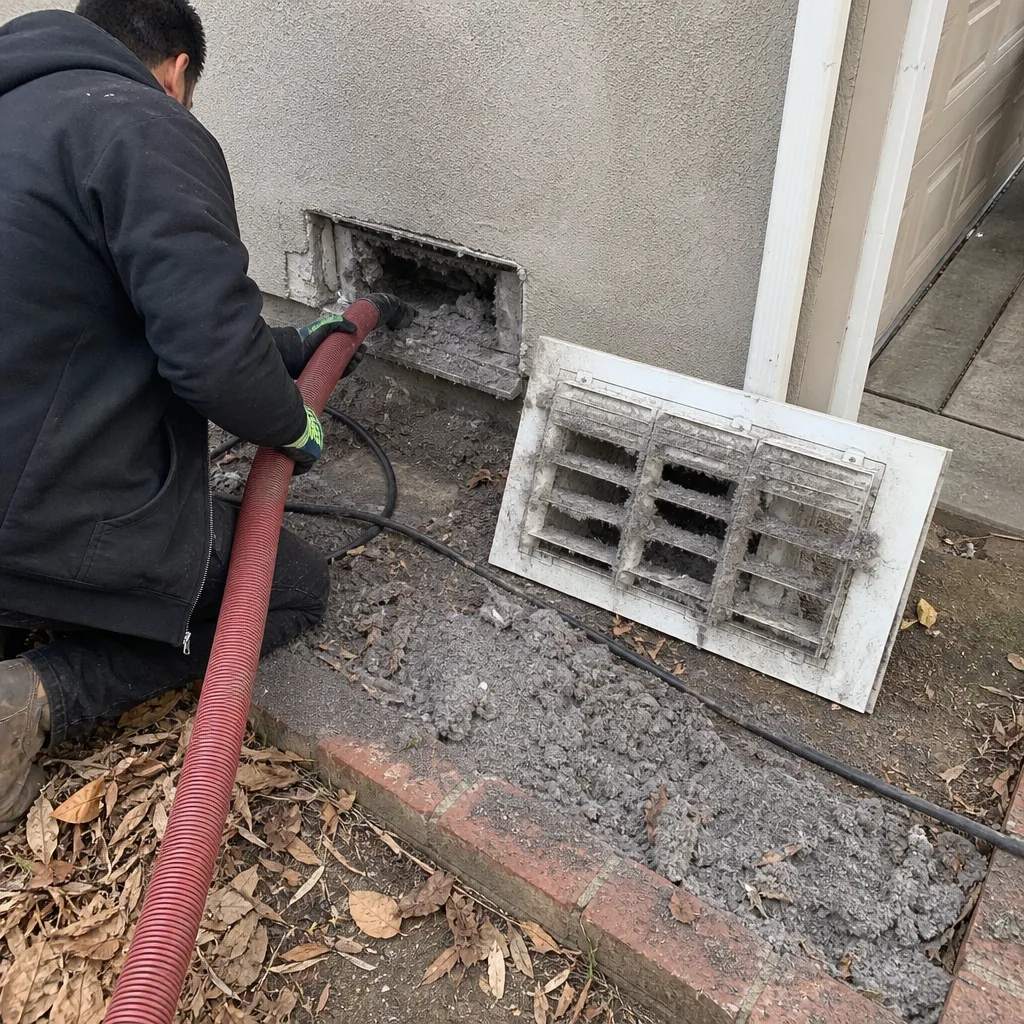 Before
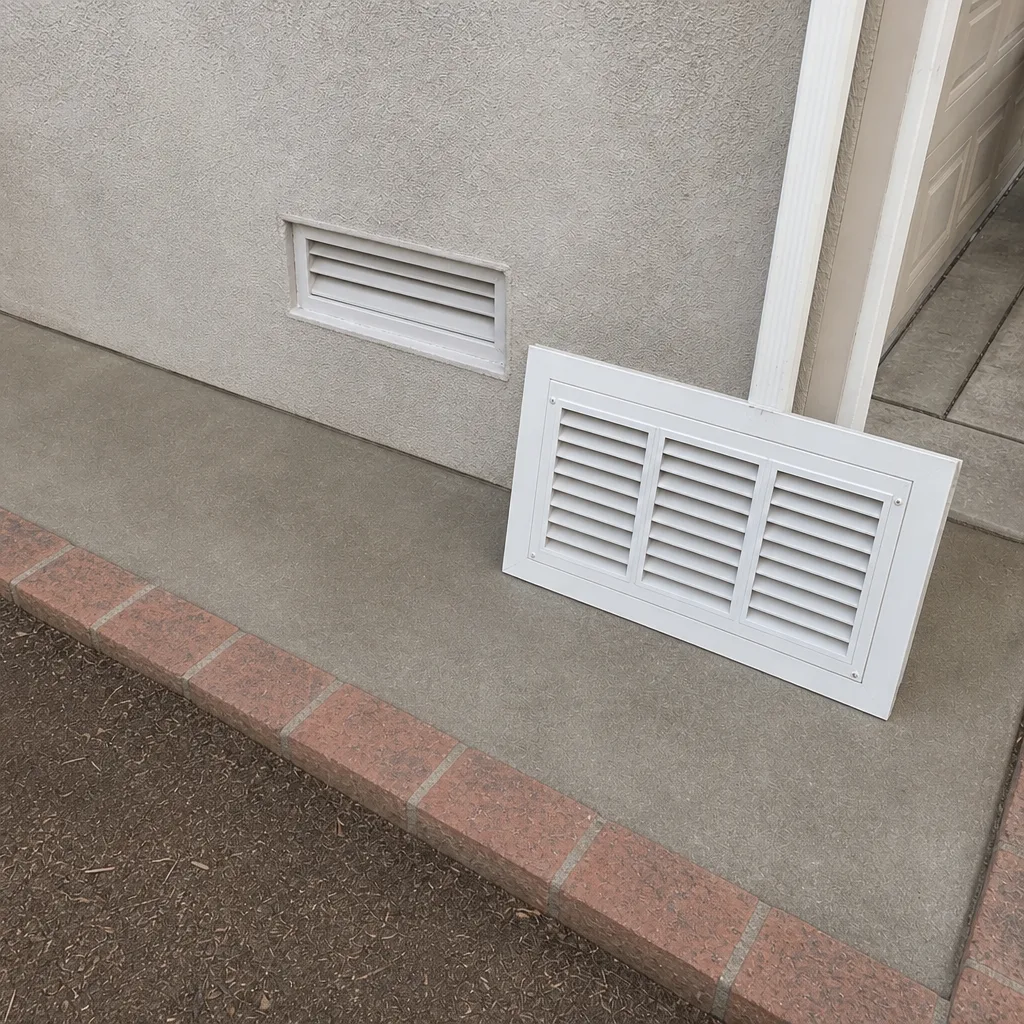 After
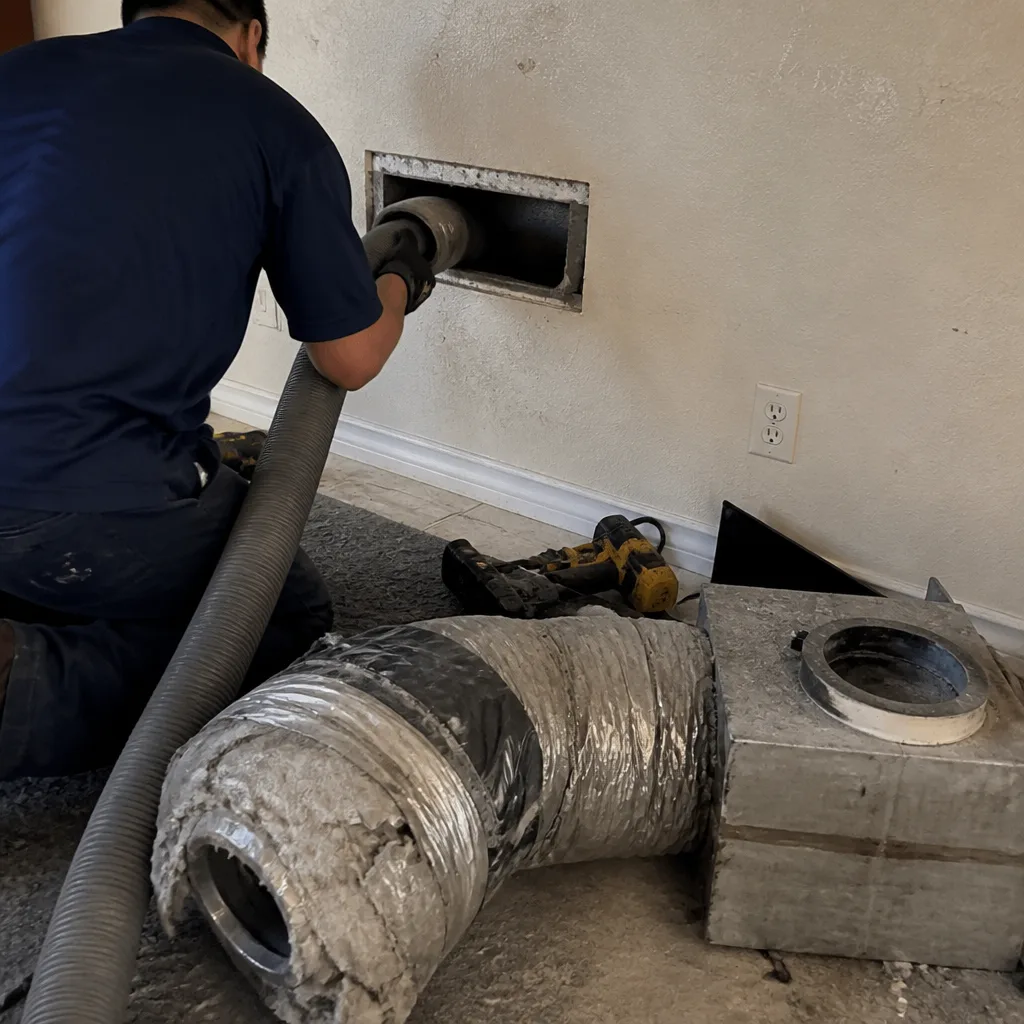 Before
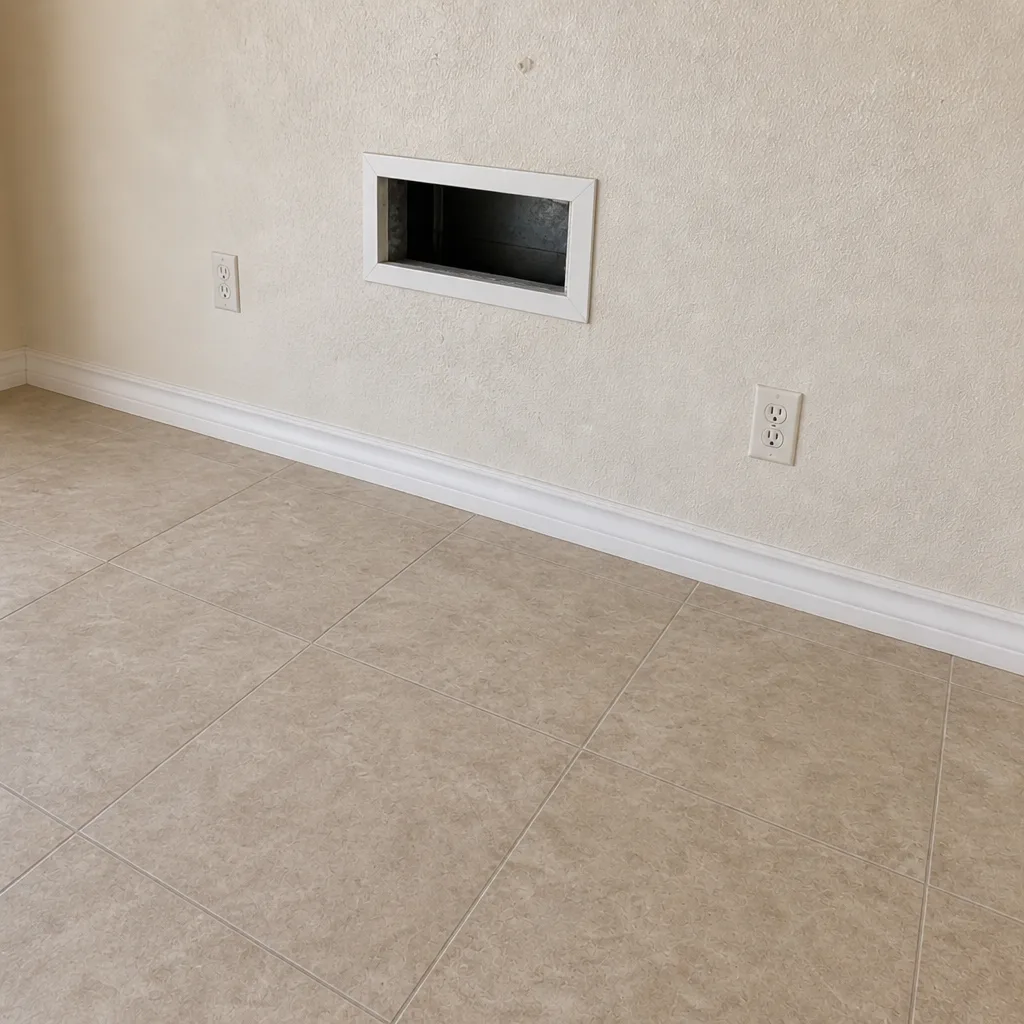 After
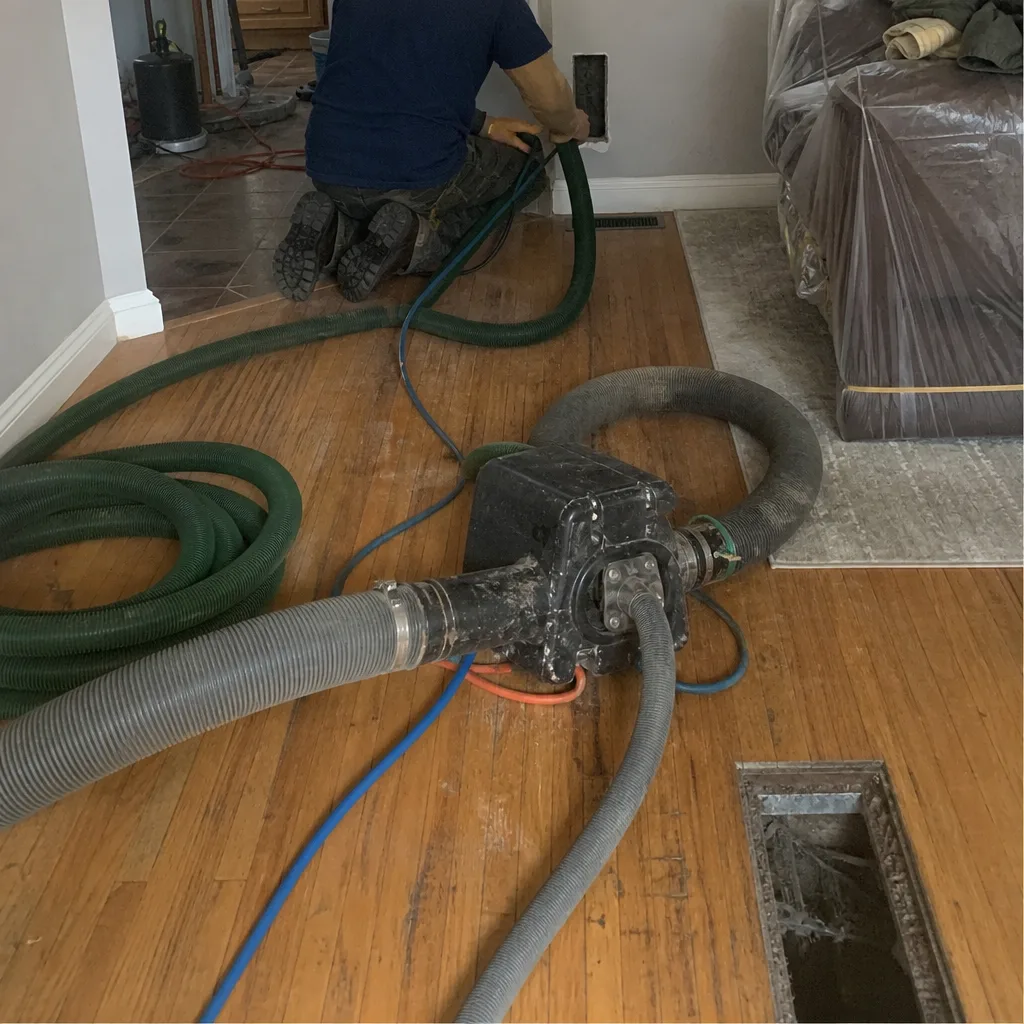 Before
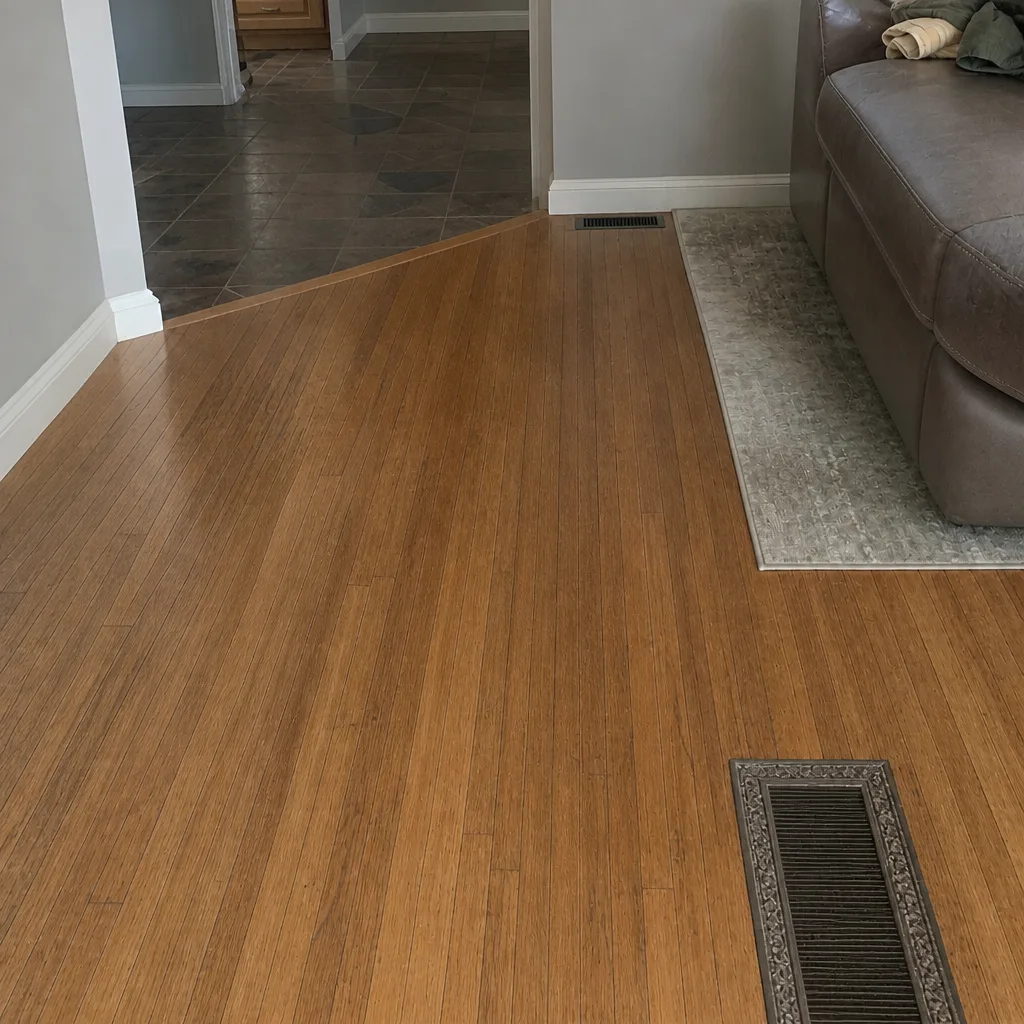 After
When to Call a Professional
Call when the symptoms don’t resolve after your own check, and specifically when you see one of these: airflow that’s strong in some rooms and weak in others, a musty smell when the system starts up, visible debris in the return grille, dust that returns within a day, a dryer that’s slow or hot to the touch, or exposed attic duct that’s sagging or disconnected. Those are all conditions that duct cleaning and repair can address, and the first step is a proper inspection. Our technicians have up to 9 years of experience working these specific problems. Duct Cleaning Roseville offers free estimates in Roseville. Call (855) 473-9048. We answer 24/7. Fast dispatch from 7am to 7pm, Sunday through Friday. If you’ve been looking for a Roseville team that shows up with Rotobrush and Nikro equipment rather than a shop-vac and a promise, that’s what we’re built for.
Frequently Asked Questions
Typical whole-system air duct cleaning in Roseville generally runs based on the size and configuration of the system, and the price is set by a written estimate after an inspection rather than a per-vent rate. The reason is that no two Roseville homes have the same duct layout, the same debris load, or the same number of problem runs. A single-story home with accessible attic duct takes less time than a two-story with a long trunk run. A house from the 1990s construction boom with heavy accumulation takes more than one that’s been cleaned before. A per-vent quote can’t account for any of that, which is one of the reasons per-vent pricing so often turns into a much larger invoice on site. Call (855) 473-9048 for an exact quote. Estimates are free.
You should get a before-and-after camera view of the inside of your ductwork and before-and-after photos of the system, including the returns and the main trunk. The camera is the evidence; without it, you’re trusting a technician’s word. Ask upfront whether the company uses a camera inspection and whether you’ll get the results. If the answer is no or vague, keep looking. Call (855) 473-9048 for an exact quote. Estimates are free.
Cheap quotes usually mean the work is limited to what’s visible at the registers, performed with equipment that doesn’t contain the debris it disturbs, or priced per-vent to make it look small until the technician arrives. A quote is only comparable if it covers the full system, includes extraction rather than just agitation, and is fixed in writing before work begins. We quote one flat price per system before we start. Call (855) 473-9048 for an exact quote. Estimates are free.
Most homes in Roseville don’t need annual cleaning. The realistic interval is driven by what’s in the system: a home with pets, a recent remodel, a house from the 1990s or 2000s construction era that’s never had the construction dust removed, or a system that’s had a leak or water issue. A camera inspection tells you the actual condition, and that’s what should set the schedule, not a fixed calendar. A returned symptom after cleaning (dust, smell, uneven airflow) is your cue to check duct repair. Call (855) 473-9048 for an exact quote. Estimates are free.
Partially, but not reliably. A flashlight and mirror can show the first foot of a duct at the register. The camera is what shows the main trunk, the long runs, and the joints behind walls and ceilings, which is where the actual problem usually lives. That’s why we run a camera through the system before and after cleaning. Call (855) 473-9048 for an exact quote. Estimates are free.
No. The dryer vent is a separate system with its own risks, and it’s the leading cause of residential dryer fires. A dryer that’s slow, hot, or leaving clothes damp points to a vent restriction, not an HVAC duct issue. We offer dryer vent cleaning as a dedicated service so it gets handled properly rather than treated as an add-on. Call (855) 473-9048 for an exact quote. Estimates are free.
The Bottom Line
If your rooms are uneven, your smell is musty, or your dust keeps coming back, don’t start with the furnace. Start with the ducts. The four causes we see most often in a Roseville home are attic flex duct problems, debris accumulation from boom-era construction, failed joints, and a restricted dryer vent. You can spot some of these at the registers and in the exposed attic duct yourself. Confirming the rest takes a camera inspection. Once the cause is identified, cleaning and repair usually solve the problem without touching the HVAC equipment. Our technicians have up to 9 years of experience and use Rotobrush and Nikro systems with Abatement Technologies containment. Call (855) 473-9048 for a free estimate. We answer 24/7. Fast dispatch from 7am to 7pm, Sunday through Friday.
Written by the team at Duct Cleaning Roseville.