
Last updated November 14, 2026
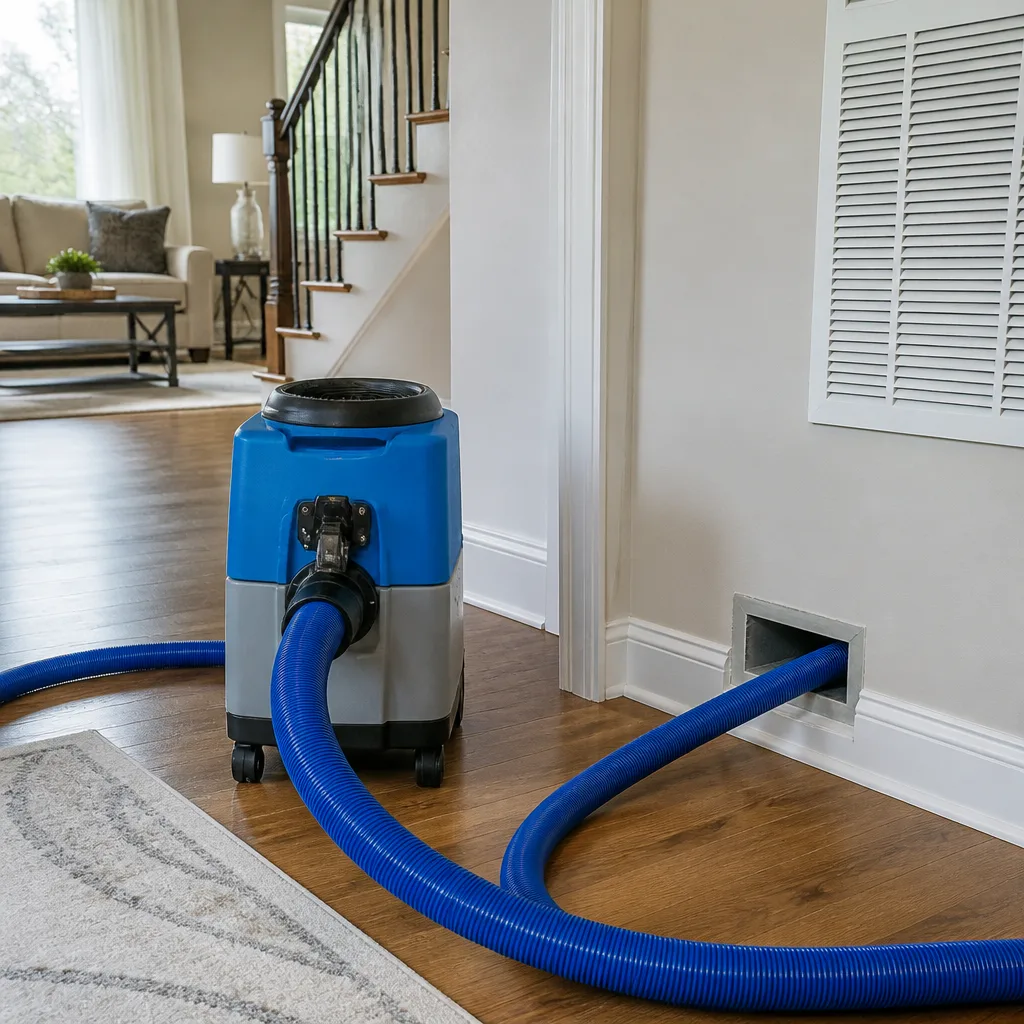 Whole-home duct cleaning
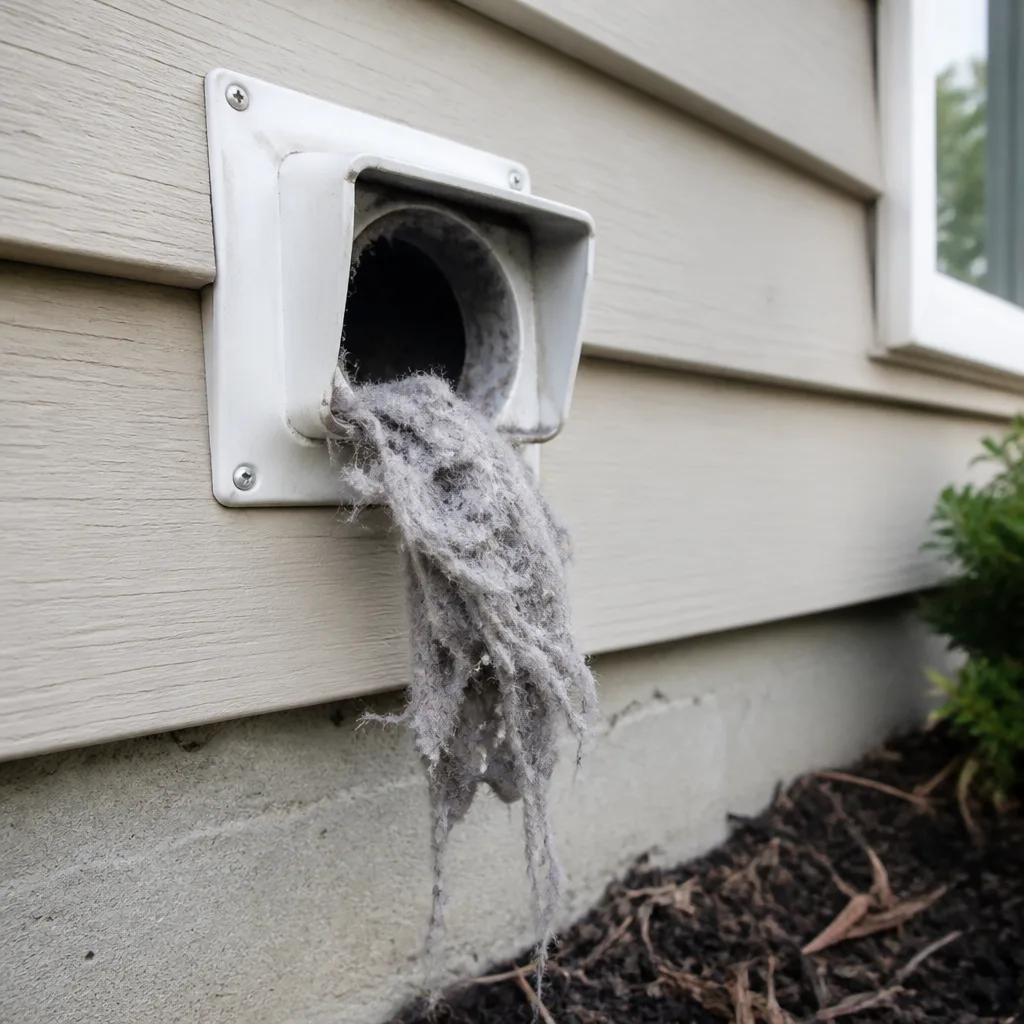 Dryer vent cleaning
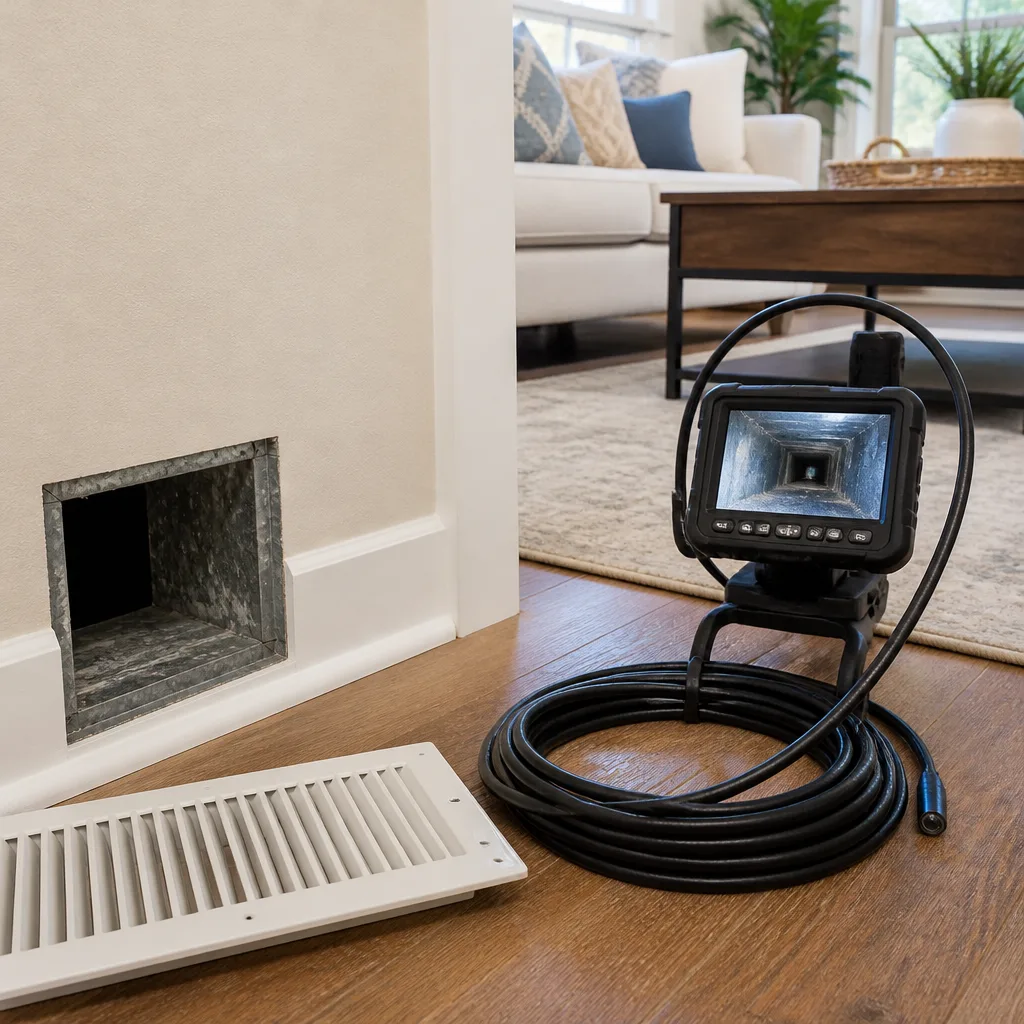 Camera inspection
 Sanitizing & deodorizing
Whole-system duct and dryer vent check with before-and-after photos - you see exactly what came out of your vents
That "$99 whole-house special" is a bait ad - the real number appears once they are in your hallway, or the "clean" is a shop-vac at the register. We photograph the inside of your ducts before and after instead.
The Complete Guide to Air Duct Cleaning in Roseville
Most Roseville homeowners think about duct cleaning on a schedule that has nothing to do with their actual ductwork. Some book it every single year out of habit. Others push it off for a decade because nothing looks obviously broken. Both groups are guessing, and the guess is usually wrong in one direction or the other. Contamination in Sacramento Valley homes follows its own logic: wildfire smoke that rolls down from the foothills, fine agricultural dust that settles in from the surrounding farmland, and construction debris from a city that keeps building outward. National advice about “every three to five years” was never written with any of that in mind. This guide explains what actually drives buildup here, what a real cleaning does mechanically, and how to tell whether a job was done or just started.
Key Takeaways
- Duct contamination in Roseville is driven by smoke events, valley dust, and new-construction debris, not by a fixed calendar.
- A legitimate cleaning uses source removal: negative pressure containment plus mechanical agitation of the duct surfaces.
- The equipment matters. Brush agitation, HEPA-rated extraction, and negative-air containment each do a different job.
- Some duct problems are repair problems, not cleaning problems. Sealing comes first when the system leaks.
- Verification, not a sales pitch, is how you confirm the work was completed.
Quick Answer
Air duct cleaning in Roseville is worth doing when you can point to a real cause: visible debris at the registers, a musty smell that returns after filter changes, uneven airflow between rooms, or a recent construction or renovation project. A proper cleaning uses source-removal methods, meaning negative-pressure containment combined with mechanical brush agitation and HEPA-rated vacuum extraction, so debris leaves the system instead of being stirred into the room. If your ducts leak or are crushed, cleaning alone won’t fix the airflow, and repair has to come first.
Styles & brands we work with
- Whole-home duct cleaning
- Dryer vent cleaning
- Camera inspection
- Sanitizing & deodorizing
Table of Contents
- Why Roseville Ducts Get Dirty Differently
- What Source Removal Actually Looks Like
- The Equipment Classes and What Each One Does
- Ducts That Need Cleaning vs. Ducts That Need Repair
- New Construction and Renovation Debris
- How Often Should You Actually Do This?
- How to Verify the Job Was Done
- The Dryer Vent Connection
Why Roseville Ducts Get Dirty Differently
Roseville sits in a bowl of geography and climate that produces a contamination profile coastal California homes simply don’t share. Summers here are hot and dry, with weeks of triple-digit heat that keep HVAC systems running long enough to move a lot of air through the ductwork. That constant airflow is what deposits particulate on duct walls over time. When systems cycle on and off through the shoulder seasons, the light dust that settles in the return side gets pulled back up and redistributed.
Then there’s the smoke. Wildfire smoke from the foothills and the Sierra tends to push into the valley during fire season, and when it does, homeowners close up the house and run the system harder. Smoke carries fine particulate that a standard filter catches only partially. What gets past the filter can settle inside the supply trunks and the plenum, and it accumulates year over year if it’s never removed.
Agricultural dust is the third piece. Roseville is surrounded by farmland and orchard country, and the fine mineral and organic dust that blows in during dry periods behaves differently than household dust. It’s finer, it’s more abrasive, and it can compact against duct surfaces rather than staying loose. That compacted layer is exactly what a shop-vac wand pass can’t lift, and it’s what brush agitation is designed to break up.
Finally, the city keeps growing. New subdivisions going up around West Roseville and the corridors east toward Granite Bay mean a steady stream of homes with construction dust in the ductwork from day one. That dust is a mix of drywall, wood, and masonry particulate, and it doesn’t belong in an occupied home’s air supply.
None of that adds up to a fixed timetable. It adds up to a set of conditions you can check against your own home. If your house sits near an active construction area, you’re closer to a smoke corridor than you’d like, or your system runs hard through long summers, your ducts will load faster than the average. If you’re in an established neighborhood with a well-sealed system and a good filter, you’ve got more time.
What Source Removal Actually Looks Like
Source removal is the difference between cleaning a duct and pretending to clean a duct. The method matters more than any brand on the equipment, so it’s worth understanding what actually happens inside the system.
Here’s the sequence a proper source-removal job follows from start to finish:
- Access: The technician opens the system at the registers, the air handler, and, where needed, cuts small access points into trunk lines so the equipment can reach the full run. Register covers come off, and the system is inspected before anything is turned on.
- Containment: A negative-pressure setup is established, usually by connecting a HEPA-rated vacuum to the main trunk. This is the critical step. It means the entire duct system is under suction during the cleaning, so loosened debris travels toward the vacuum, not out into the room.
- Agitation: A brush-based tool is run through each branch and trunk. Agitation is what breaks the bond between compacted debris and the duct wall. Vacuum alone pulls loose dust; it doesn’t dislodge a stuck layer.
- Extraction: The loosened material travels through the negative-pressure system and is captured in HEPA filtration. This is where the particulate ends up in a collection container, not in your living room.
- Component cleaning: The blower, evaporator coil area, and plenum get attention too. Most of the debris in a system collects around the coil and the return plenum, and skipping those leaves the job half done.
- Verification and reassembly: Access points are sealed, register covers go back, and the technician shows the findings.
The single most common shortcut is skipping containment and agitation and running a vacuum hose through the registers instead. It takes a fraction of the time, and it looks like a cleaning if you’re not watching closely. It does not remove compacted debris, and it does not protect the room from what it does disturb. On the equipment side, we use Rotobrush for the brush-contact work and Nikro for the HEPA-rated extraction, running a dual approach rather than relying on just one tool. The combination is what lets us address both the compacted layer and the airborne particulate in a single visit.
The Equipment Classes and What Each One Does
Homeowners rarely get told which equipment will show up in their house. That’s a gap worth closing, because the tools define what the job can actually accomplish. Here’s how the main classes break down.
Brush-Agitation Systems (Rotobrush)
Rotobrush systems drive a rotating brush head through the duct run, pulling the brush against the duct walls as it moves. The brush contacts the surface, dislodging compacted material that suction alone leaves behind. This matters most in systems with years of buildup or in homes that have gone through a renovation. Brush contact is the industry benchmark for a reason: it’s mechanical, direct contact with the duct surface.
HEPA-Rated Vacuum Extraction (Nikro)
Nikro equipment is built around HEPA filtration, which captures particles down to 0.3 microns. That’s the size range where fine smoke particulate and wood dust live. The point isn’t just suction; it’s that the vacuum holds the particles it captures instead of returning them to the air. A vacuum without proper HEPA-rated filtration will pull debris loose and then exhaust the finest portion of it back into the space. That’s the opposite of the goal.
Negative-Air Containment (Abatement Technologies)
Abatement Technologies equipment is the class of negative-air and containment units used in commercial mold and contaminant abatement. Residential duct cleaning almost never runs that standard, and that’s the gap worth paying attention to. Negative air means the duct system stays under vacuum throughout cleaning, so anything disturbed gets pulled toward the collection point instead of drifting into living spaces. When we bring Abatement-built containment into a residential job, it’s not for show. It’s the difference between working in a controlled environment and hoping the debris lands somewhere harmless.
Filtration Product Assessment (Honeywell, Aprilaire)
A cleaning job is also the best moment to look at the system’s filtration health. If the filter housing has gaps or the current filter is underperforming for the climate here, that’s worth addressing before the freshly cleaned ducts reload. Honeywell and Aprilaire air quality products come up in that conversation because they’re a common fit for residential systems, and we’re familiar with assessing and recommending them alongside a cleaning. A clean system with a weak filter just loads up again faster.
Brand names alone don’t guarantee a good job, but they do tell you what the technician has chosen to invest in. A crew that carries brush agitation, HEPA extraction, and negative-air containment has the tools to do source removal. A shop-vac and a wand is not the same service, regardless of what the estimate says.
Ducts That Need Cleaning vs. Ducts That Need Repair
Here’s the part most homeowners never hear. Some of the problems people book a cleaning for are actually repair problems, and cleaning won’t solve them. If we arrive at a Roseville home and the customer says a back bedroom never gets cool, the first question isn’t about debris. It’s about whether the duct serving that room is disconnected, crushed, or leaking.
A cleaning is the right call when:
- Registers show visible dust, lint, or construction particulate on the interior surfaces.
- A musty or “closed-up” smell returns shortly after each filter change.
- The system has gone through a renovation or was built recently and never had a post-construction clean.
- You can see debris through the return grille.
- The system runs fine mechanically but the air quality has noticeably worsened over time.
A repair is the right call when:
- One or two rooms never receive proper airflow while others do fine. That points to a disconnected or crushed branch line.
- You can hear whistling, hissing, or rattling from the ductwork when the system runs.
- Utility bills have climbed without any change in usage or seasons. Leaky supply runs lose conditioned air before it reaches the room.
- Duct joints in unconditioned spaces are visibly taped or unsealed and pulling apart.
Cleaning a leaking system is the wrong order of operations. You’d be cleaning debris from a system that immediately pulls new dust in through the leaks. We offer air duct repair as a standalone service for exactly this reason. If a Roseville home needs sealing or reconnection after cleaning, the work stays in one visit and one scope, and there’s no need to call out a separate HVAC contractor to pick up where the cleaning left off. That’s the whole reason we handle air duct cleaning and repair together.
New Construction and Renovation Debris
Roseville has kept building outward for years, and every new home that comes online brings the same issue with it. Ductwork installed during construction picks up drywall dust, sawdust, and general construction particulate before the system ever runs for a family. The registers are often taped off during the build, but the trunk lines and plenum collect what the taping doesn’t reach.
The same problem shows up in established homes after a renovation. A kitchen remodel, an added room, or any project where walls come open sends fine particulate into the return system. A homeowner may run the system through the whole project, which circulates that dust everywhere. Even after a cosmetic cleaning, the fine layer that settled in the ductwork stays put unless it’s agitated and extracted.
New construction cleaning is a specific job. The debris load is different from a lived-in home’s, the duct runs are usually newer and tighter, and the priority is getting construction material out before the system settles into daily operation. On the renovation side, the same logic applies. If you’ve had walls open in the last year and the ducts were never addressed, that’s a clear trigger to have them looked at.
How Often Should You Actually Do This?
There isn’t one answer that applies to every home in Roseville, and any company that gives you one isn’t thinking about your situation. The realistic answer depends on three variables: your local particulate load, your system’s sealing and filtration, and whether you’ve had a construction event.
As a general guide, not a rule:
- Homes near active construction or in newer subdivisions: check the system every couple of years, and clean when visible debris or a smell appears.
- Homes in established neighborhoods with decent filtration: the interval typically stretches longer, sometimes several years, unless something changes.
- Homes in the smoke corridor or near farmland: pay attention to how the air feels and smells after a heavy fire season. If the system’s been pulling smoke for months, that’s a real reason to have it inspected.
- Any home after a renovation: clean before the new dust settles into daily operation.
What’s not useful is the “once a year, no matter what” pitch. It’s a sales habit, and for a lot of homes it’s premature. The better habit is to notice the signs and act on them. If a filter change doesn’t resolve a lingering smell, or a register shows visible buildup, that’s your cue. In our experience, homeowners who get the interval right are the ones who pay attention to what the system is telling them rather than sticking to a calendar.
How to Verify the Job Was Done
This is the part most people skip, and it’s where a poor job hides. The cleaning crew packs up, runs the vacuum, and tells you it’s done. You have no way of knowing whether the duct surfaces were actually agitated, or whether the wand just passed through the registers.
The verification you should ask for, before the job starts:
- Before-and-after photos of your own ducts. Not stock photos, not a binder of somebody else’s job. Ask for photos of your system, at your address, from the day of the work.
- A walkthrough at the air handler. The technician should show you the plenum and coil area, which is where most debris collects.
- Confirmation of containment. If negative pressure was established, ask what equipment was used. Abatement Technologies containment, for example, is a specific piece of gear that shows up in commercial remediation work. If the crew can’t say what containment they used, that’s your answer.
- Confirmation of agitation method. Which tool went into the duct? Rotobrush brush agitation is one answer. “A vacuum hose” is not.
- Sealed access points. If the crew cut into the ductwork, those cuts should be sealed before they leave. Loose or unsealed access points reintroduce outside air and dust.
A proper job produces before-and-after photographs of the customer’s own ducts as a matter of course. If a company can’t produce them, the burden is on them to explain why, and a customer is entirely within their rights to ask. We build before-and-after documentation into every job in Roseville, because homeowners deserve to see what changed. The proof lives on your ducts, not on ours.
The Dryer Vent Connection
Most guides on air duct cleaning never mention the dryer vent, and that’s a real gap. The two aren’t the same system, but they’re the two duct paths in a home that carry the most lint, and both are worth maintaining with the same rigor.
A dryer vent that hasn’t been cleaned holds a compacted layer of lint along the full length of the run. Lint is highly combustible, and a clogged vent also makes the dryer work harder and take longer per load. The warning signs are simple to spot: the dryer takes two cycles to dry a load, the top of the dryer feels unusually warm, or a load comes out hot while the clothes are still damp. Those all mean airflow is restricted somewhere in the vent line.
The right service is a dedicated one. A real dryer vent cleaning runs a brush or rod through the full length of the run and vacuums out the loosened lint, including the exterior termination point. Running a shop vac to the outside flap and calling it done is not a dryer vent cleaning. The lint throughout the run stays where it was. That’s why we offer dryer vent cleaning as its own service with its own procedure. If you’re having ducts cleaned, it’s worth having the dryer vent done at the same visit, since the same equipment and crew address both.
Homes in Roseville with the dryer located against an exterior wall often have a short vent run. That’s the easier case. Homes where the dryer sits in an interior closet or garage with a long run to the exterior are the higher-priority ones, because there’s more length for lint to accumulate.
Common Mistakes to Avoid
- Booking on price alone without asking about method. A quote that’s far below the local norm usually reflects a vacuum-wand pass, not source removal. Ask what equipment the crew carries and how containment is set up before you compare numbers.
- Cleaning a system that leaks. If the ducts are disconnected or crushed, cleaning does nothing for the room that’s not getting air. Fix the leak first, then clean. We offer both services together for exactly this reason.
- Skipping the coil and plenum. Most of the debris in a Roseville system sits around the evaporator coil and return plenum. A crew that only cleans the branch runs and registers has left the main problem in place.
- Accepting “it’s done” without a walkthrough. Ask for before-and-after photos of your own ducts. Any crew can claim a job was completed; a walkthrough with documentation proves it.
- Assuming annual cleaning is required. In a well-sealed home with good filtration, the interval can be longer. In a new build or a home in the smoke corridor, it might be shorter. Match the schedule to the conditions, not a sales script.
- Forgetting the dryer vent. The dryer vent is a separate fire risk from the ducts themselves, and it’s typically only addressed when someone remembers to ask. Add it to the same visit if you’re already doing duct work.
- Ignoring the filter. A cleaning is wasted if the filter housing has gaps or the filter is underperforming. Have filtration assessed alongside the cleaning, which is why we’re familiar with Honeywell and Aprilaire air quality systems.
See the difference
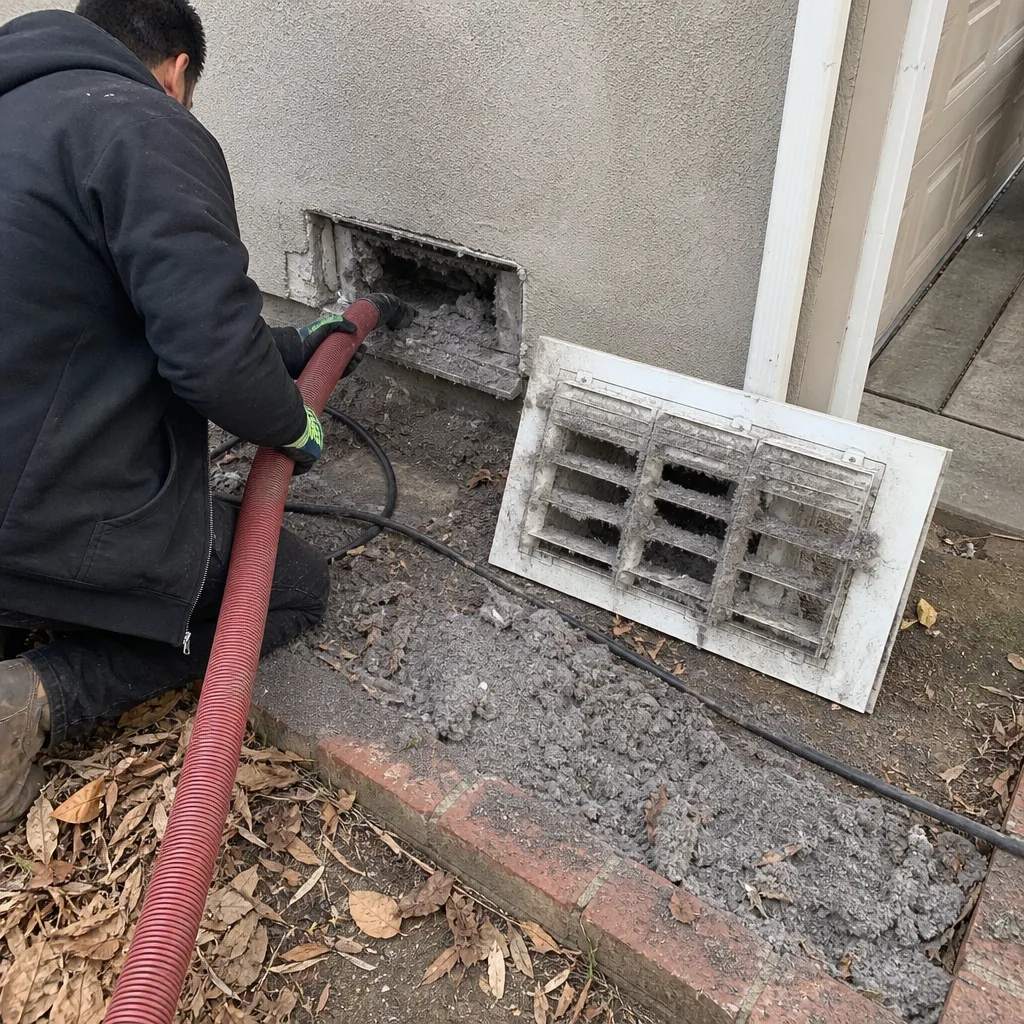 Before
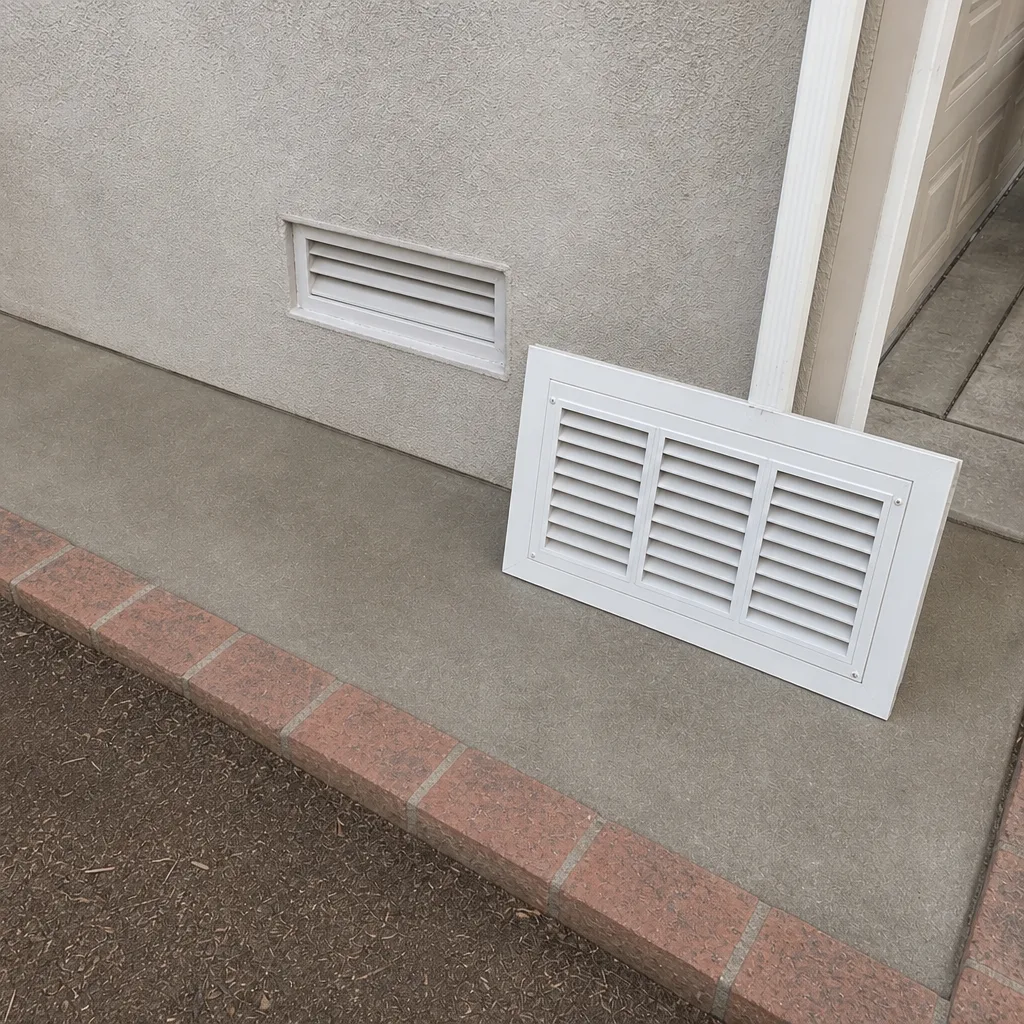 After
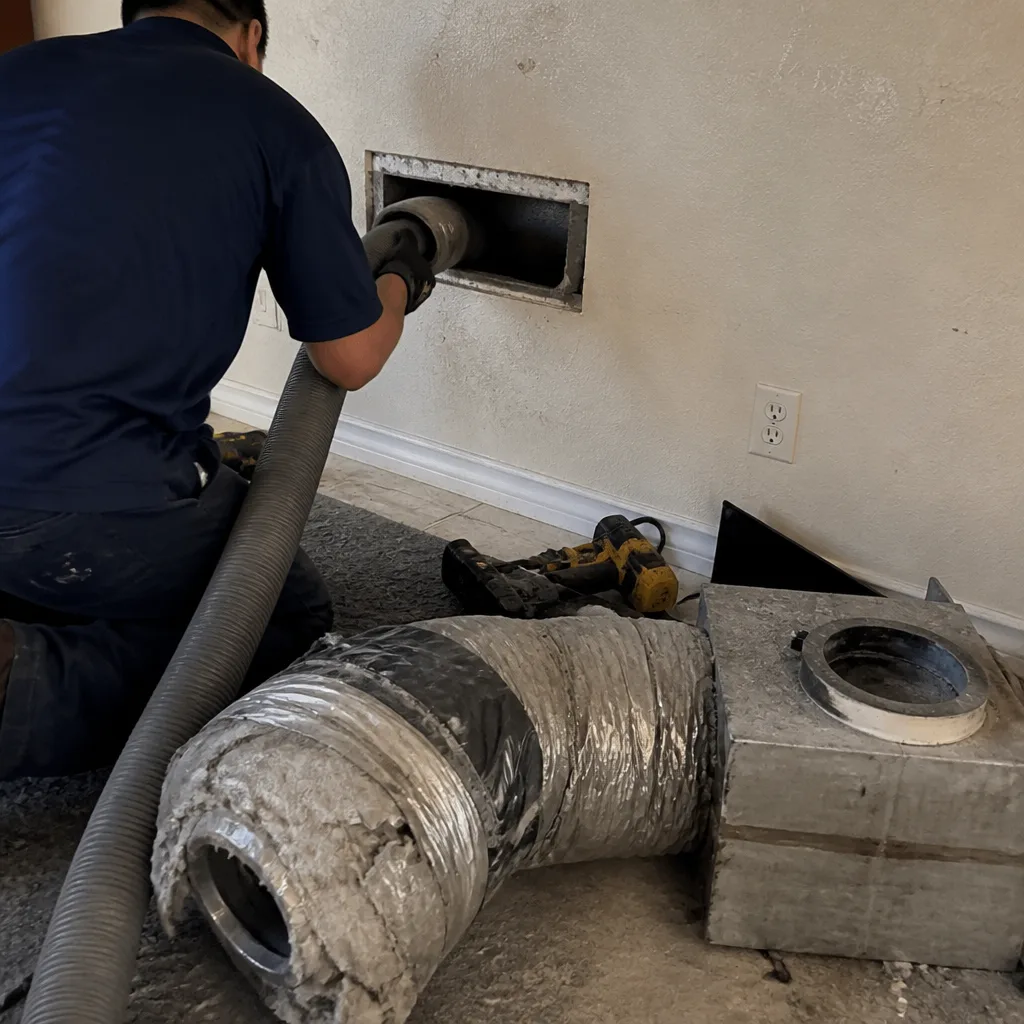 Before
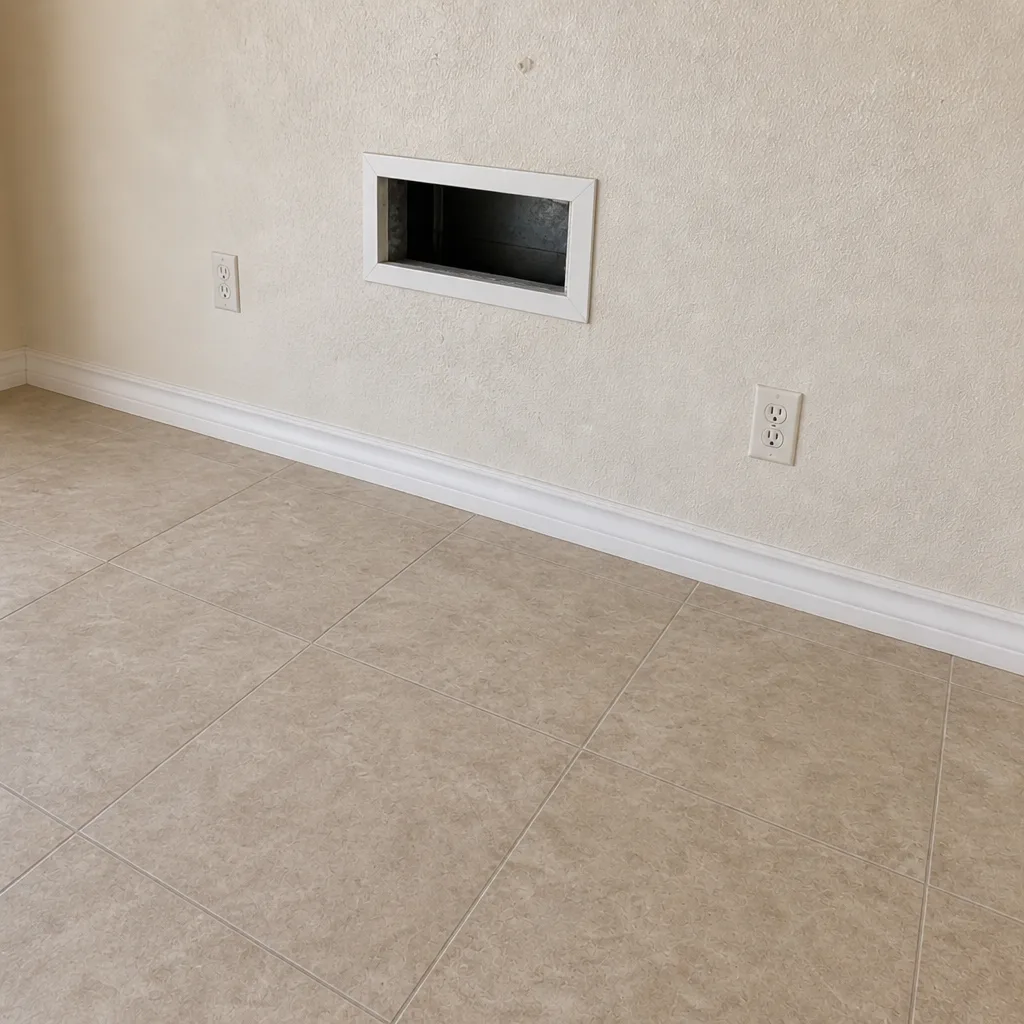 After
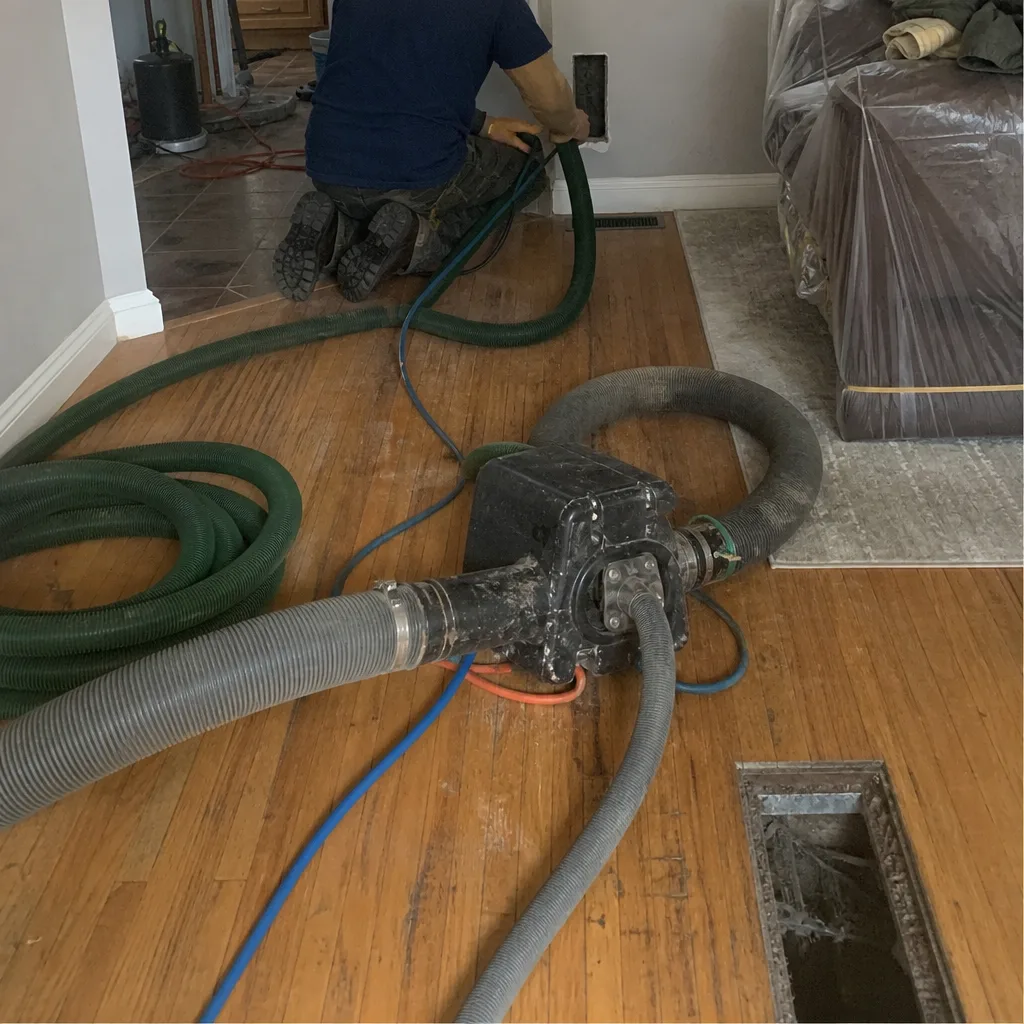 Before
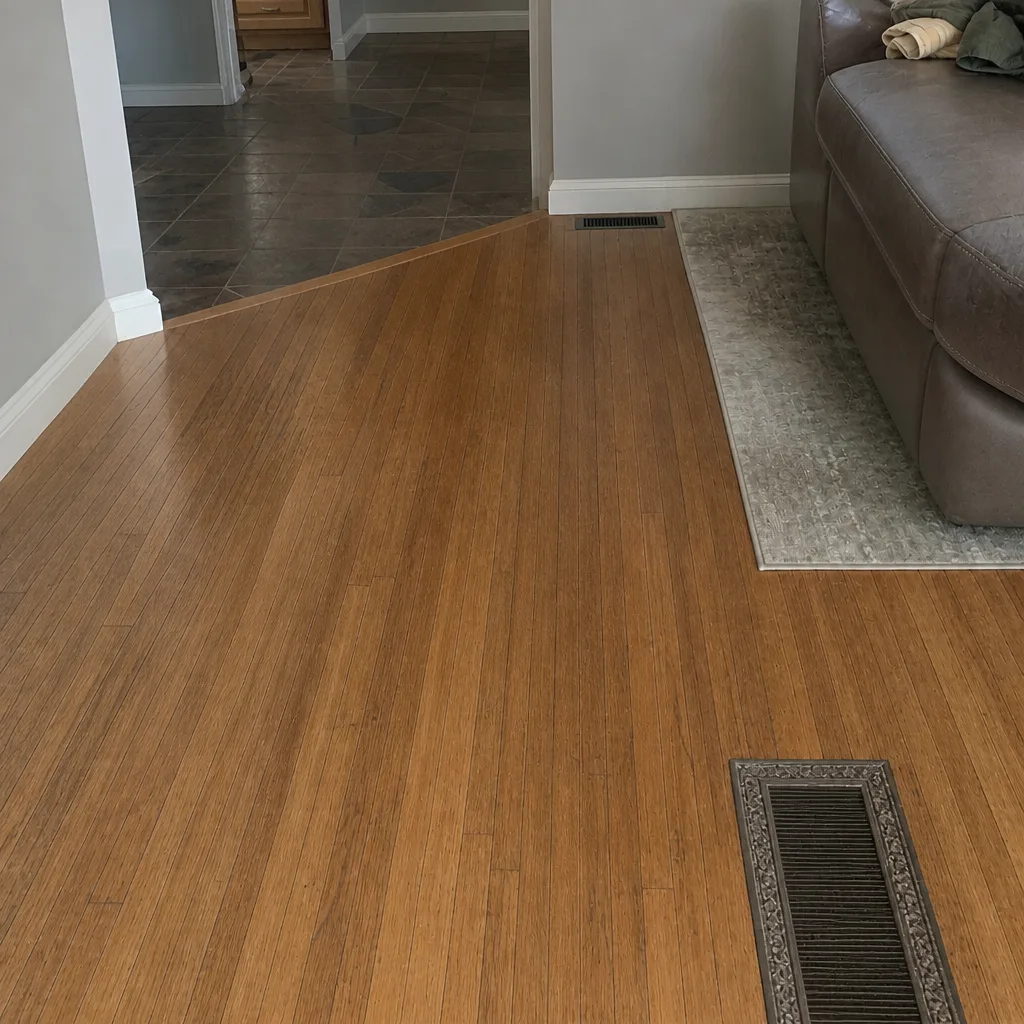 After
When to Call a Professional
Some situations are clear “call today” triggers, and some are “wait and watch.” Here’s how to sort them. Call a professional if the smell of must or smoke doesn’t clear after a filter change, if a back bedroom never cools while the rest of the house is fine, if the dryer takes two cycles to dry a normal load, or if your home has had walls open or was recently built and the ducts have never been addressed. Call also if utility bills have climbed without an obvious cause, since leaky ducts can bleed conditioned air in the middle of a Roseville summer. Duct Cleaning Roseville offers free estimates, and we work with the conviction that one flat price per system, agreed before work starts, is the only honest way to quote a job. Call (855) 473-9048.
Frequently Asked Questions
Most residential duct cleanings in the Roseville market fall into a whole-system range of roughly a few hundred to a bit over a thousand dollars, depending on home size, number of registers, and whether repair work is needed alongside. Estimates are provided in writing before work starts, and the written estimate sets the final price. Pricing is quoted per system, not per vent, so it doesn’t change based on how many registers a crew opens. Call (855) 473-9048 for an exact quote; estimates are free.
Cheap quotes usually reflect a different service. A crew running a shop vac wand through the registers, without brush agitation or negative-pressure containment, can do a “cleaning” in a fraction of the time and charge a fraction of the price. It also leaves compacted debris in the duct and can disturb fine dust into the room without capturing it. Ask what equipment the crew uses before comparing prices. If the answer is a shop vac and no containment, the price is describing a different job. Call (855) 473-9048 for a written estimate; we quote flat per system, not per vent.
Ask for before-and-after photos of your own ducts, taken at your address on the day of the work. A walkthrough of the air handler and plenum should also happen before the crew packs up. Ask which agitation tool went into the duct and what containment was used. Rotobrush brush agitation and Abatement Technologies negative air are specific equipment answers, not generic claims. If a crew can’t document the work, that’s the signal. Call (855) 473-9048; we document every job.
There’s no universal interval. Homes near active construction or in newer subdivisions often collect debris faster, homes in the smoke corridor or near farmland load up during fire season, and well-sealed established homes can go longer between cleanings. The trigger should be evidence: visible debris, a returning musty smell, uneven airflow, or a recent renovation. Call (855) 473-9048 if you want an honest assessment rather than a one-size-fits-all schedule.
Removing accumulated particulate from a system reduces the amount of fine debris that can be recirculated into the rooms, and homeowners with allergy complaints often notice the difference after a proper source-removal clean. It’s not a treatment for allergies, and it doesn’t replace filtration. But a loaded system reintroduces what it carries, and a clean one doesn’t. Call (855) 473-9048 for a free estimate if you want to know what your own ducts look like inside.
Dryer vent cleaning is a separate, dedicated service, and it’s worth doing at the same visit as air duct cleaning since the crew and equipment address both. A real dryer vent cleaning runs a brush through the full length of the run and vacuums out the loosened lint, including the exterior termination. Running a vacuum at the outside flap only is not a dryer vent cleaning. Call (855) 473-9048 to schedule both together.
The Bottom Line
The right time to clean ducts in Roseville is when the conditions actually call for it, not on a calendar and not because a flyer showed up in the mailbox. Watch the signs: visible debris, a returning smell, uneven airflow, a recent renovation, or a system that’s been pulling smoke through fire season. When the time does come, choose method over price. Ask what containment the crew uses, what agitation tool goes into the duct, and whether the work will be documented with your own before-and-after photos. If your ducts are damaged or leaking, fix first and clean after. That’s the whole guide, and it’s the reason we run dedicated cleaning, dryer vent, and duct repair as three focused trades rather than a generalist add-on. If you want to know what your system actually looks like inside, we can tell you. Call Duct Cleaning Roseville at (855) 473-9048 for a free estimate. We answer 24/7. Fast dispatch from 7am to 7pm, Sunday through Friday. Our technicians have up to 9 years of experience.
Written by the team at Duct Cleaning Roseville.