
Last updated November 14, 2026
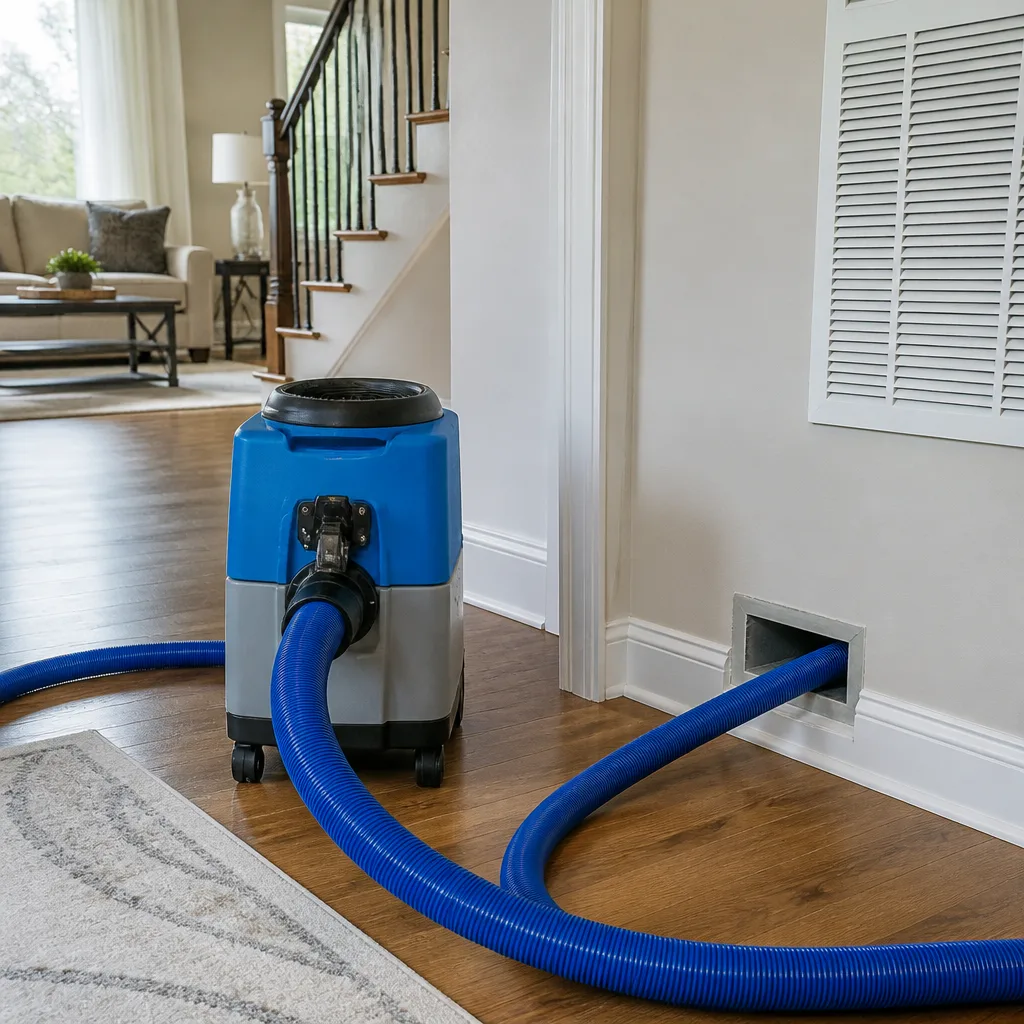 Whole-home duct cleaning
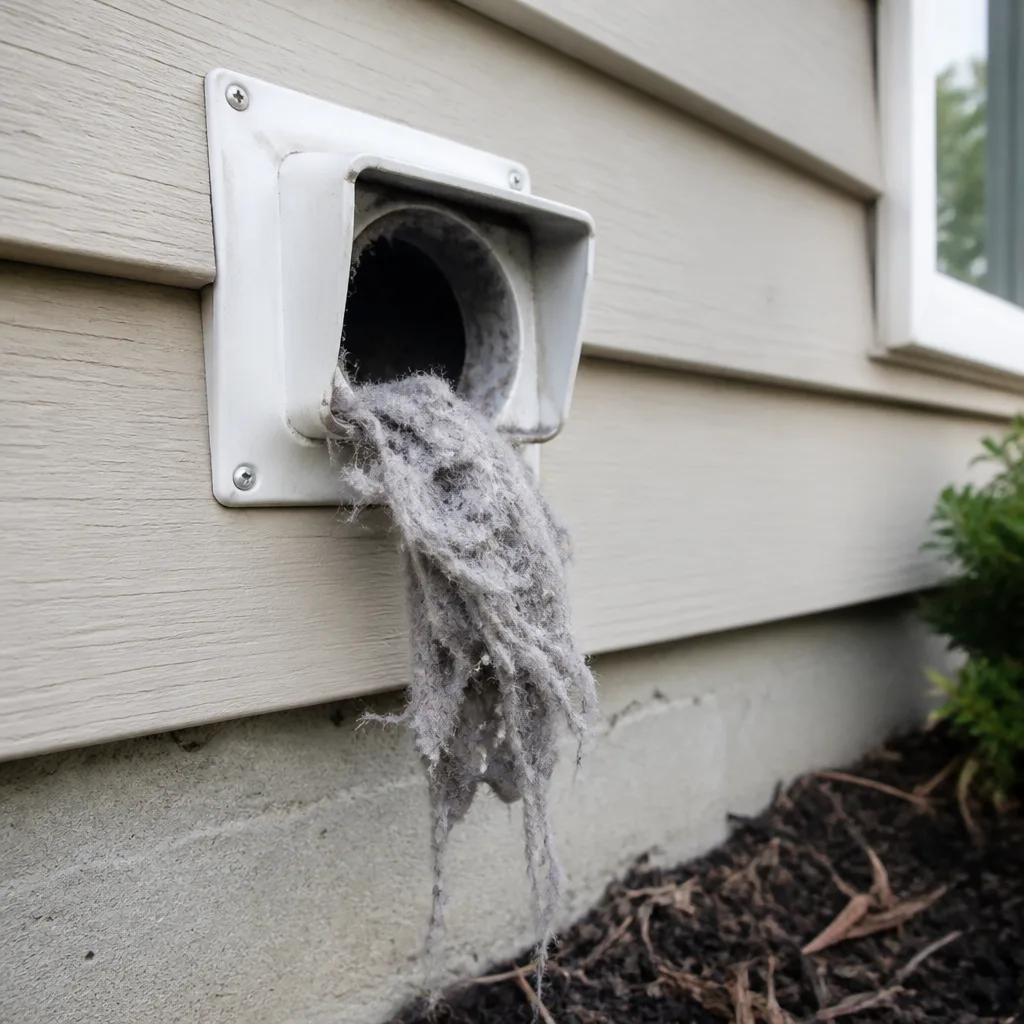 Dryer vent cleaning
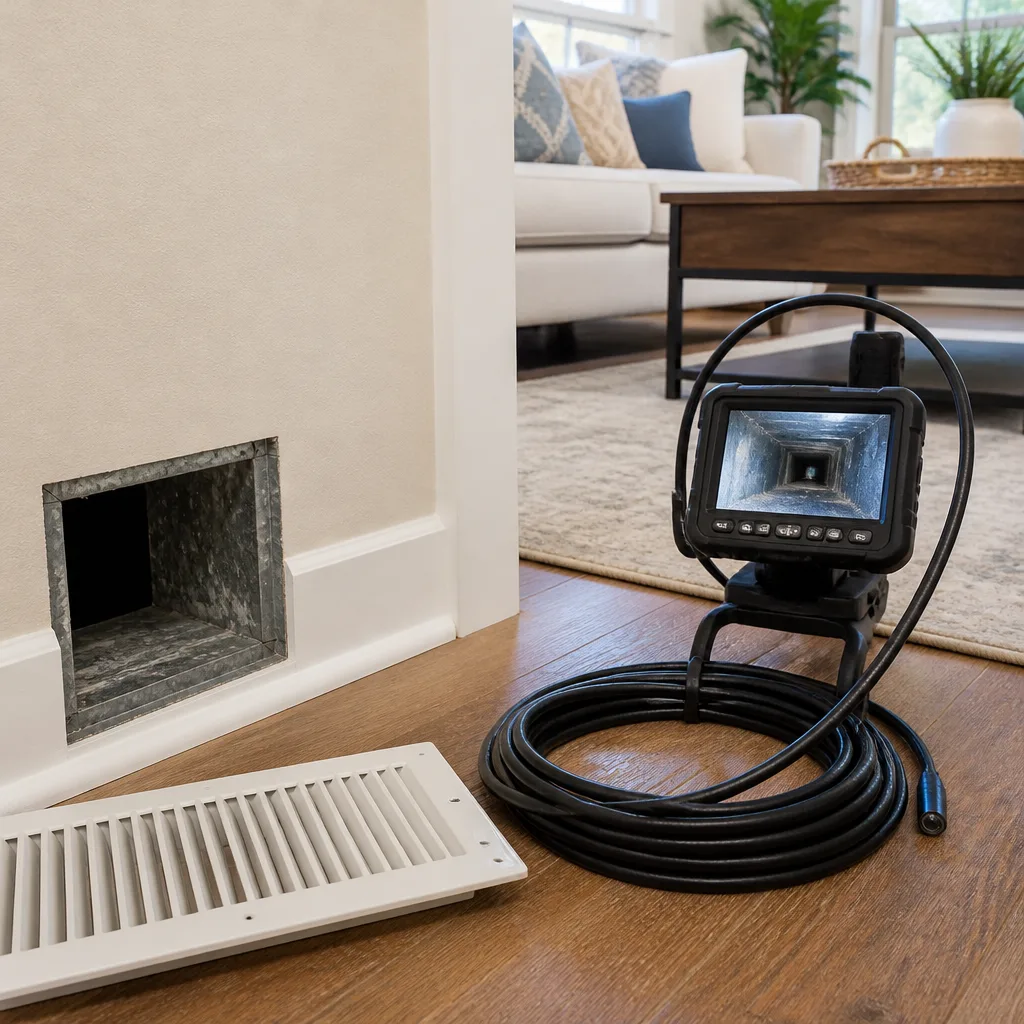 Camera inspection
 Sanitizing & deodorizing
Whole-system duct and dryer vent check with before-and-after photos - you see exactly what came out of your vents
That "$99 whole-house special" is a bait ad - the real number appears once they are in your hallway, or the "clean" is a shop-vac at the register. We photograph the inside of your ducts before and after instead.
Air Duct Cleaning Maintenance Schedule: What to Do and When
The “clean your ducts every three to five years” rule gets repeated everywhere, and it was never meant to be a calendar. The EPA guideline that number comes from described a baseline home: no pets, no smokers, no recent renovation, nobody with allergies. Very few Roseville homes fit that description. A house in Fiddyment Ranch with two dogs and a new floor remodel is on a different clock than a condo near the Galleria with no pets and no carpet. This guide builds a schedule around your home’s actual conditions instead of an industry average, and it separates duct maintenance from dryer vent maintenance because they follow entirely different risk timelines. By the end you’ll know when to clean, what to check between cleanings, and how wildfire season fits in.
Quick Answer
Most Roseville homes should have their air ducts professionally cleaned every 3 to 5 years, with that interval shortened to roughly 2 years if you have pets, a smoker in the house, allergy or asthma sufferers, or a recent remodel. Dryer vents follow a shorter schedule entirely: once a year for most households, or more often with heavy laundry use. Between professional cleanings, replace filters on schedule, check return grilles monthly, and schedule an inspection after any major renovation or a heavy wildfire smoke season.
Styles & brands we work with
- Whole-home duct cleaning
- Dryer vent cleaning
- Camera inspection
- Sanitizing & deodorizing
Table of Contents
- Why the Generic 3-to-5-Year Rule Falls Short
- The Condition-Based Multiplier Table: Build Your Own Schedule
- What to Do Between Professional Cleanings
- Roseville’s Wildfire Smoke Season: The Unscheduled Trigger
- The Dryer Vent Schedule Is a Different Animal
- What a Post-Cleaning Inspection Report Should Document
- Older Roseville Housing Stock and Attic Insulation
- Common Mistakes to Avoid
Why the Generic 3-to-5-Year Rule Falls Short
The 3-to-5-year number you see quoted on every home services site traces back to guidance that assumed a fairly clean baseline: no pets, no smoking, no recent construction dust, and no occupants with respiratory sensitivity. That’s the reference home. It’s not your home, and treating it as gospel means either cleaning too early (wasting money) or too late (living with debris you didn’t need to).
Debris in a duct system doesn’t accumulate in a straight line. It builds in layers, and the rate depends on what’s getting pulled into the return air and how well the filtration is catching it. A well-sealed system with a good filter and no pets will stay clean far longer than the guideline suggests. A duct system with leaking joints, a cheap fiberglass filter, and two shedding dogs will load up much faster.
Roseville’s climate adds its own variables. Dry summer air combined with the airborne dust that kicks up during hot, windless months means more particulate matter circulating through homes here than in more humid climates. And when wildfire smoke drifts into the valley from June through September, fine particles find their way into return air, settle on duct surfaces, and stay there long after the sky clears.
All of this means the right question isn’t “how often should I clean my ducts?” It’s “how fast do my ducts load up, given my house?” That’s a question with a real answer, and it’s the one this guide is built to help you find.
The Condition-Based Multiplier Table: Build Your Own Schedule
Instead of vague advice to clean “more often,” here’s a concrete system. Start with the base interval of 5 years (the outside edge of the generic rule, applied to a clean, low-risk home). Then subtract time for each condition present in your household. The result is your working interval.
The base interval: 5 years for a home with no pets, no smokers, no recent remodel, no allergy occupants, and well-maintained filtration.
| Condition Present | Shortens Interval By | Working Interval |
|---|---|---|
| One or more shedding pets | 12-18 months | 3.5-4 years (single pet); 2.5-3 years (multiple pets) |
| Smoker in the home | 18-24 months | 2.5-3 years |
| Recent renovation (drywall, flooring, demo) | 12-24 months, depending on scope | 2.5-3.5 years |
| Household member with allergies or asthma | 12-18 months | 3.5-4 years |
| Older home with degraded or loose insulation | 12 months | 4 years, pending insulation repair |
| Known leaky or unsealed duct joints | 12-18 months | 3.5-4 years, then repair and re-check |
A few notes on using this table. Stack only the top three conditions you actually have. If you have pets, allergies, and a recent remodel, don’t subtract all three in full – pick the two most impactful and use the shorter resulting interval. And if your final number drops below 2 years, that’s a sign something else is going on: an unsealed duct system, a failed filtration setup, or a source of debris you haven’t addressed. That’s when it’s worth a professional inspection rather than just repeating the cleaning.
For context, most residents in older Roseville neighborhoods near Downtown and Vernon Street will find they land around 2.5 to 3 years once pets and older insulation are factored in. Newer construction out near Fiddyment Ranch often holds the 3.5 to 4-year range thanks to tighter homes and better initial filtration.
What to Do Between Professional Cleanings
The cleaning itself is the anchor point. What you do between cleanings is what determines whether you actually make it to your target interval or end up calling early. Here’s the schedule we recommend to Roseville homeowners.
Monthly
- Check all return-air grilles for visible dust accumulation. A grille that looks heavily coated after a month is telling you the filter isn’t catching enough or the system is pulling debris from upstream.
- Verify each supply register is delivering air. Rooms that feel weak or dead are getting poor airflow, and that often points to a kink or leak upstream rather than a duct that needs cleaning.
Every 30-90 Days
- Replace the filter. A 1-inch filter under normal conditions lasts about 90 days; a 4-inch or 5-inch media cabinet filter runs 6 to 12 months. In homes with pets or allergy occupants, stick to the shorter end.
- Match the filter to the duct condition. If the ducts have visible debris loading, don’t jump to a high-MERV filter – a restrictive filter can starve the system at a time when it’s already working hard. Get the ducts cleaned first, then step up the filter rating if you’re chasing allergen capture.
Annually
- Do a visual pass on accessible ductwork – flex-duct runs in the attic or crawl if you can see them safely, supply boots behind registers, and any exposed return plenums.
- Schedule your dryer vent cleaning. This is on a different schedule than your air ducts and shouldn’t be bundled into the same cycle. See the dryer vent section below.
- Check your whole-house air quality products – if you have a Honeywell or Aprilaire filtration or humidification system, it should be inspected annually alongside the duct cleaning.
After Any of These Events
- Renovation: Schedule a check within 60 days of any project that cuts drywall, pulls up flooring, or involves demo work. Drywall dust in a duct system is a whole different load than household dust.
- Wildfire smoke: If your area heard about air quality advisories or caught visible smoke this season, add an inspection when the season wraps up.
- HVAC repair: Any time a technician has the system open for maintenance or repair, ask them to look at duct connections while they’re in there.
- New to the house: If you’ve moved into a home in the last 12 months, assume the ducts are unknown territory and schedule an inspection.
This schedule is what keeps your filtration system doing its job while waiting on that next scheduled cleaning. You can read more about what a full cleaning actually covers on our air duct cleaning page.
Roseville’s Wildfire Smoke Season: The Unscheduled Trigger
From roughly June through September, Roseville’s air quality is at the mercy of whatever is burning upwind. Smoke plumes from fires far from Placer County can settle into the valley for days, and that smoke contains fine particles that enter a home through leaky return duct joints, bathroom exhausts, and window gaps. Once those particles land on duct surfaces, they stay there until a cleaning removes them.
This is the biggest reason a strict 3-to-5-year calendar doesn’t work here. A heavy smoke season can effectively advance your clock by 12 to 18 months in one stretch, especially if your duct system has leaks. It’s an event-driven reason to schedule an inspection that has nothing to do with how long it’s been since your last cleaning.
How to know if smoke season warrants a check:
- Did you smell smoke inside the house during the season? If the smell lingered after the sky cleared, particles are likely sitting in the ducts and the filter has already loaded up.
- Did you run the HVAC system with windows closed during heavy smoke days? The system recirculates interior air through the filter, which means the filter caught the load – but any particles that bypassed it went into the ducts.
- Is anyone in the house reporting worse allergy symptoms or scratchy throats that started during smoke season? That’s a strong signal, particularly in homes with older filtration or leaky duct connections.
- Did you skip a filter change during the smoke event? A saturated filter after a smoke event should be replaced immediately, and if it’s been sitting a while, the ducts behind it deserve a look.
If two or more of those hit, schedule a duct inspection after the season rather than waiting for your regular interval. We see this pattern play out in Roseville every fire season – autumn inspections that find more debris than the home’s ordinary pattern would suggest. If you want to schedule an inspection ahead of or after the season, call (855) 473-9048. We answer 24/7. Fast dispatch is available from 7am to 7pm, Sunday through Friday.
The Dryer Vent Schedule Is a Different Animal
Most guides lump dryer vent cleaning into the same “clean every few years” conversation as air ducts. That’s a mistake. Dryer vents operate under completely different conditions – high heat, lint generation, and a fire risk that has nothing to do with air duct debris.
The dryer vent carries lint, which is highly flammable, out of the appliance and through the vent to the exterior. Lint accumulates in the vent every single cycle. There’s no filtration step that catches it before it enters the vent – the mesh screen inside the dryer catches some, but plenty bypasses and deposits on the interior walls of the duct.
That’s why the dryer vent schedule is shorter:
- Once a year for a typical household doing 3-4 loads per week.
- Every 9 to 12 months for households doing 5 or more loads per week, or homes with longer vent runs (the run from the dryer to the exterior wall matters, not just the dryer itself).
- Every 6 months if you’ve ever noticed your dryer taking longer than usual to dry a load, or if your vent runs through an attic, up through a roof, or terminates at a long horizontal run with multiple elbows.
The signs that lint has built up to a dangerous level are consistent across the trade:
- Clothes take longer than 45 minutes to dry a standard load
- The dryer heats up but the exhaust air feels weak or cool
- The exterior vent flap doesn’t open with strong airflow
- You’ve noticed lint snagged around the lint screen housing (indicates more lint bypassing the screen)
- A musty smell in the laundry area after drying
Dryer vent cleaning is a dedicated service, not an add-on to duct cleaning, and it’s scheduled on a completely different timeline. Read more on our dryer vent cleaning page.
What a Post-Cleaning Inspection Report Should Document
A cleaning without documentation leaves the next technician with nothing. The best cleaning is the one whose results are recorded in a format the next tech can build on. When the work is done, ask for a written inspection report that covers the following – and if the company doesn’t regularly produce one, that’s a signal about the level of detail you’re getting.
A useful post-cleaning report should document:
- Before-and-after photos of each duct run with the source of the photo (interior duct, supply boot, return plenum) identified. This is what lets the next technician see what “clean” looked like at this visit rather than guessing.
- Areas of access and known inaccessible zones. Which ducts couldn’t be fully reached and why. This is critical for the next cleaning because it tells the tech where to focus and whether the access limitation has changed.
- Duct material and condition notes. Whether you have sheet metal, flex duct, or fiberboard, and whether any of it showed damage, tears, or degradation that would affect the cleaning interval.
- Condition of duct connections and joints. Loose or unsealed joints dramatically shorten the interval because they let unfiltered air and debris enter the system. Documenting them gives a reason to schedule repair rather than just cleaning.
- Filter type and MERV rating at time of service, and the recommended replacement date based on the home’s conditions.
- Number and condition of returns and supply registers reviewed. A count, not a vague statement like “all registers cleaned.”
- Recommendation for next service window, in months, with reasoning tied to the conditions found on-site.
- Equipment used during the cleaning – this identifies whether the job was done with a shop vac and a hand tool or a proper brush-agitation and HEPA-extraction setup. The difference matters, and it should be on the record.
If your ducts also need repair – a loose connection, a torn flex run, a separated boot – that should be documented in the same report so the repair can be scheduled without a return inspection. Our team can handle that under a single call because air duct repair is offered as a standalone service, not folded into a general HVAC ticket.
We use Rotobrush brush-agitation systems and Nikro HEPA-rated vacuum extraction, plus Abatement Technologies negative-air equipment during the cleaning itself. The report we leave behind reflects what those tools actually did in your system. Every system gets one flat price agreed before work starts, and you get before-and-after photos of your own ducts – not stock photos from another job.
Older Roseville Housing Stock and Attic Insulation
Roseville has a wide range of housing ages, from older neighborhoods near Downtown and along Vernon Street to newer construction out toward Fiddyment Ranch and West Park. That spread matters for duct maintenance because the older housing stock carries different risks.
The main factor in older homes is attic insulation. If insulation has degraded, settled, or been disturbed over the years, small particles enter the duct system through: gaps in attic-mounted duct connections, loose joints, and the open areas around supply boots. This is a slow, invisible debris source and one that the generic 3-to-5-year rule doesn’t account for.
The practical adjustment:
- If your home has visible insulation dust or debris near attic duct connections, subtract about 12 months from your interval and schedule an inspection.
- If the home has ever had attic work done (rewiring, solar install, pest control, insulation top-off), assume the ducts were exposed to that dust and schedule an inspection within a year.
- If your home was built before attic construction was tightly sealed, consider the ducts at higher risk for insulation dust and debris intrusion.
There’s also a filtration point that matters more in older homes: the existing filter setup may be undersized for the dust load the duct system is seeing. This is where our familiarity with Honeywell and Aprilaire air quality products comes into play. We can assess whether the filtration setup is doing its job, then walk through upgrade options that match the duct system’s condition rather than just selling you a higher-MERV filter into a duct that hasn’t been cleaned yet. Cleaning first, filter second is the right order.
If you’re not sure where your home falls on this spectrum, a professional inspection is the right starting point. We offer estimates across Roseville, and the assessment usually takes less time than homeowners expect.
Common Mistakes to Avoid
- Treating the 3-to-5-year number as a rule. That interval was designed for a baseline home with no pets, no smokers, no kids, and no renovation. Most Roseville homes don’t match that baseline, and applying the number blindly means cleaning too early for some homes and too late for others.
- Bundling dryer vent cleaning with duct cleaning on the same schedule. Dryer vents are on an annual cycle; air ducts usually aren’t. Wait four years between dryer vent cleanings and you’re carrying serious fire risk.
- Skipping the filter change during wildfire season. When smoke sits over the valley for days in July or August, the filter loads up faster than usual. A filter that would normally last 90 days may be full in 30 during a smoke event.
- Choosing a higher-MERV filter before the ducts are clean. A restrictive filter on a duct system that’s already loaded with debris starves the system of airflow. Clean first, then upgrade filtration.
- Scheduling a cleaning but not requesting the inspection report. Without before-and-after documentation, the next technician starts from zero. The photos and the notes are as important as the cleaning itself.
- Assuming a strong airflow reading means the ducts are clean. Airflow can stay steady even when debris is sitting on duct surfaces. It’s the loading that matters for indoor air quality, and it’s the loading that gets documented in the inspection.
- Ignoring return grille dust between cleanings. If a return grille looks heavily coated a month after cleaning, that’s a signal – either the filter isn’t doing its job, or debris is entering upstream. A month of waiting turns a small adjustment into an unnecessary call.
When to Call a Professional
The schedule above handles routine maintenance. These are the cases where we recommend calling now rather than waiting for the next interval. You notice musty smells from supply registers when the HVAC system runs. Someone in the house has worsening allergy symptoms that you can’t tie to outdoor pollen. The ductwork has visible debris at the register boots. You’ve had a remodel in the last 18 months that involved drywall or flooring work. You caught smoke inside the house during fire season. Your dryer is taking longer to dry a load than it used to. Or you simply moved into a Roseville home and don’t know the cleaning history.
Our technicians have up to 9 years of experience and can walk you through what a full cleaning involves for your specific system. Duct Cleaning Roseville offers free estimates in Roseville. Call (855) 473-9048. We answer 24/7, and fast dispatch runs from 7am to 7pm, Sunday through Friday.
See the difference
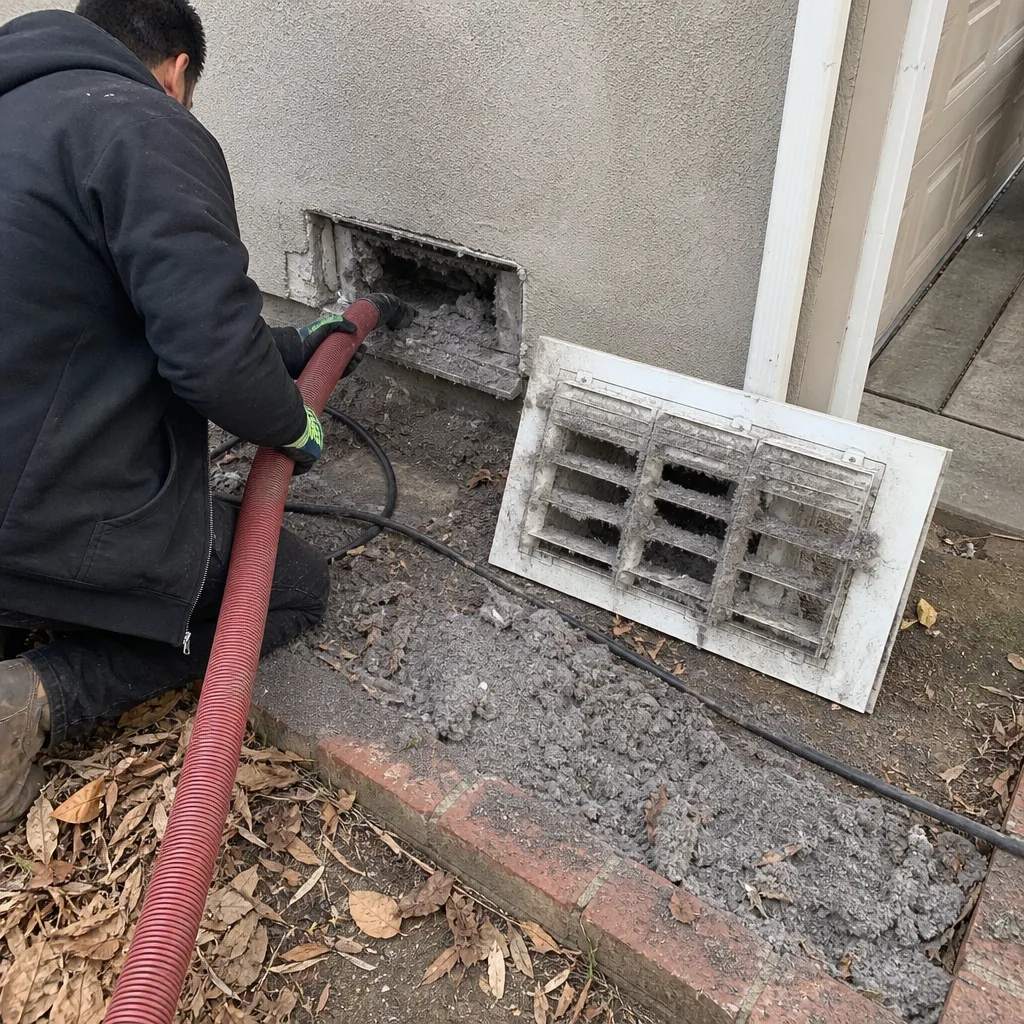 Before
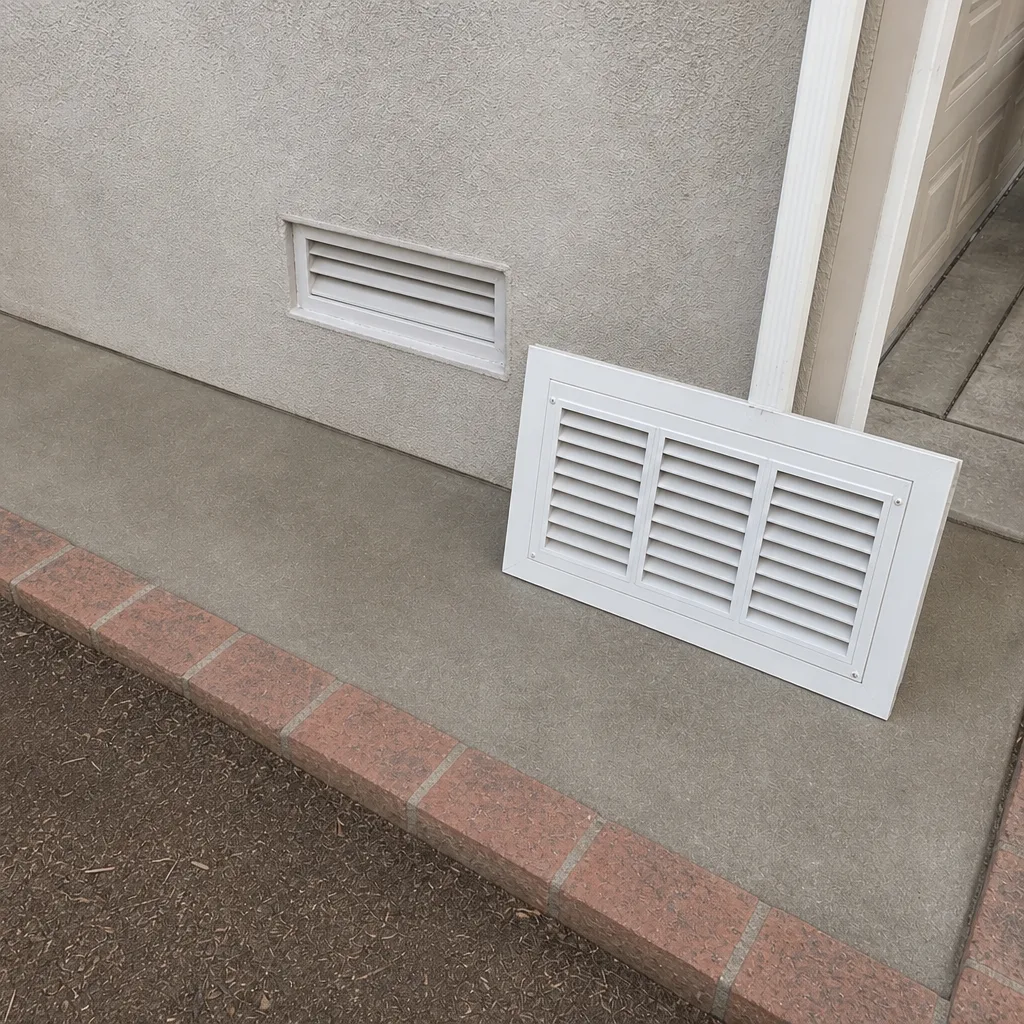 After
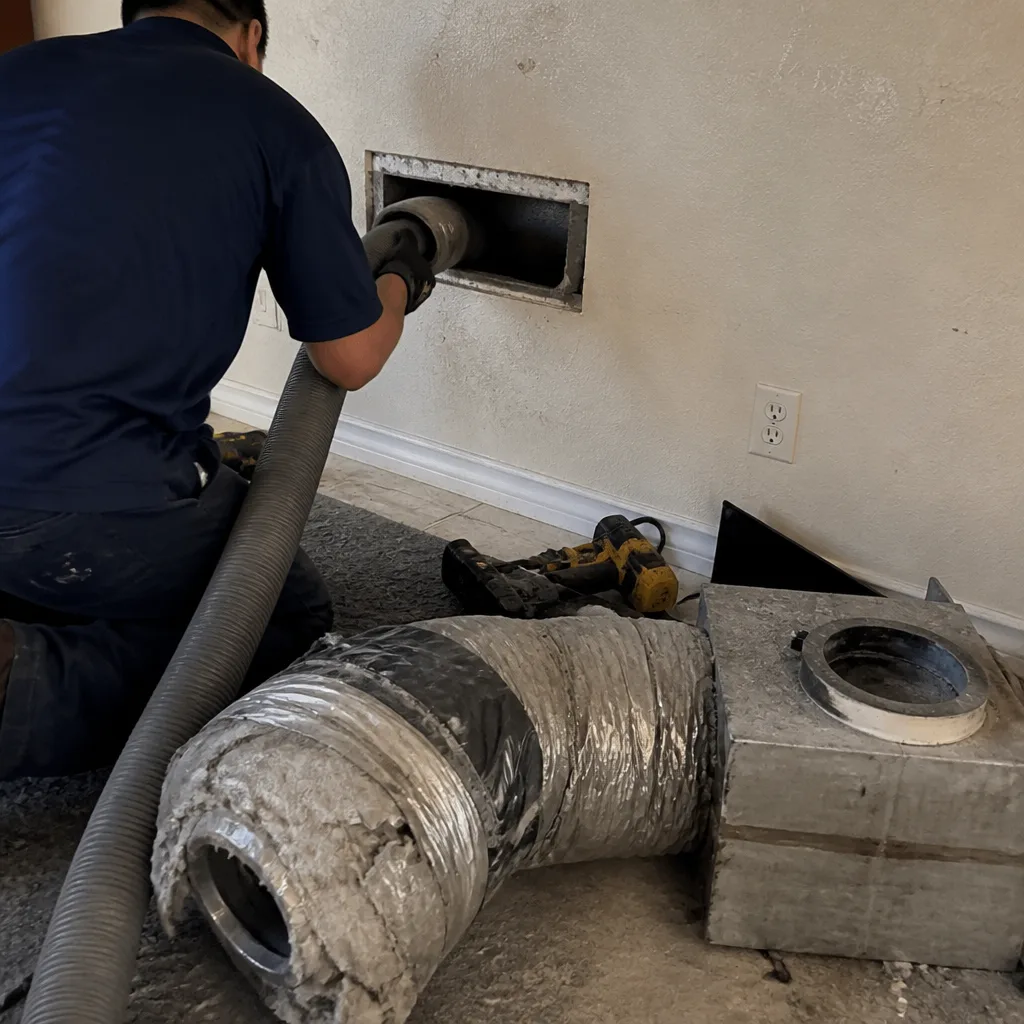 Before
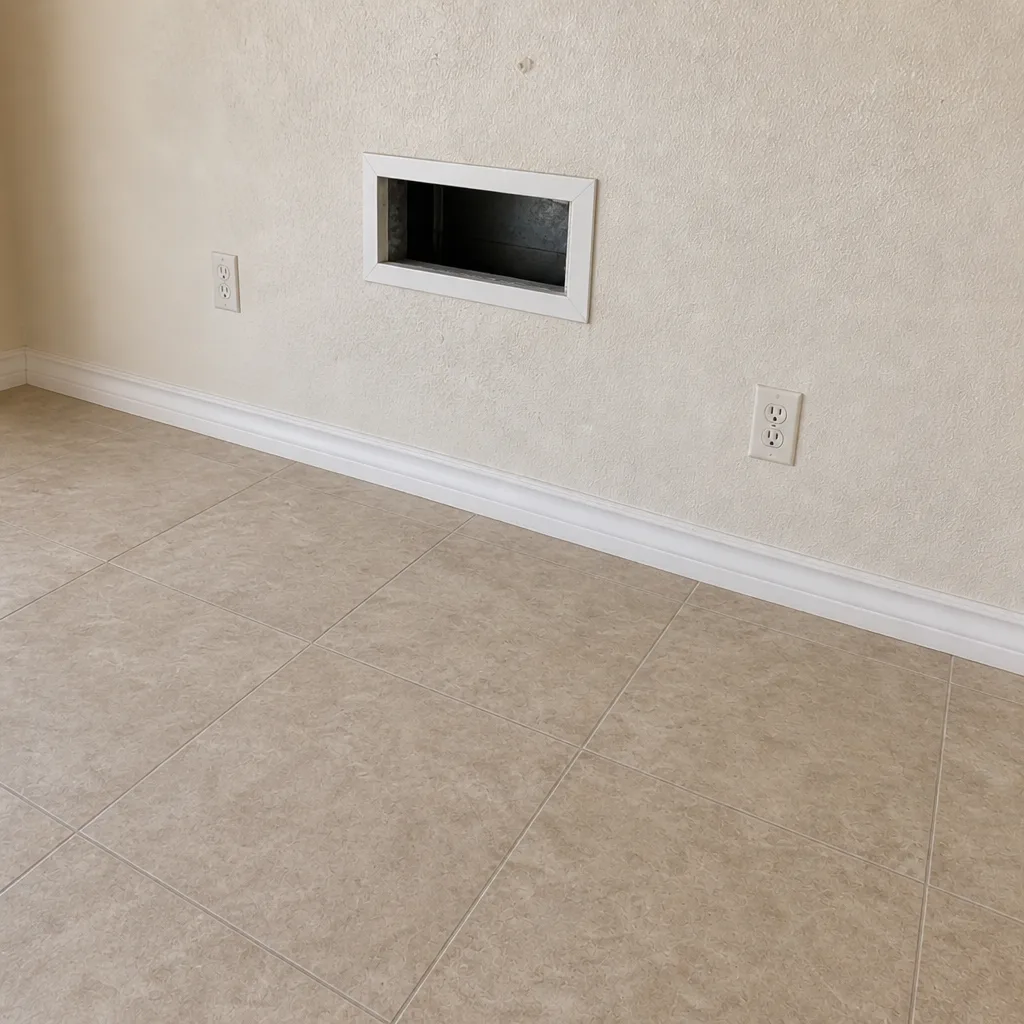 After
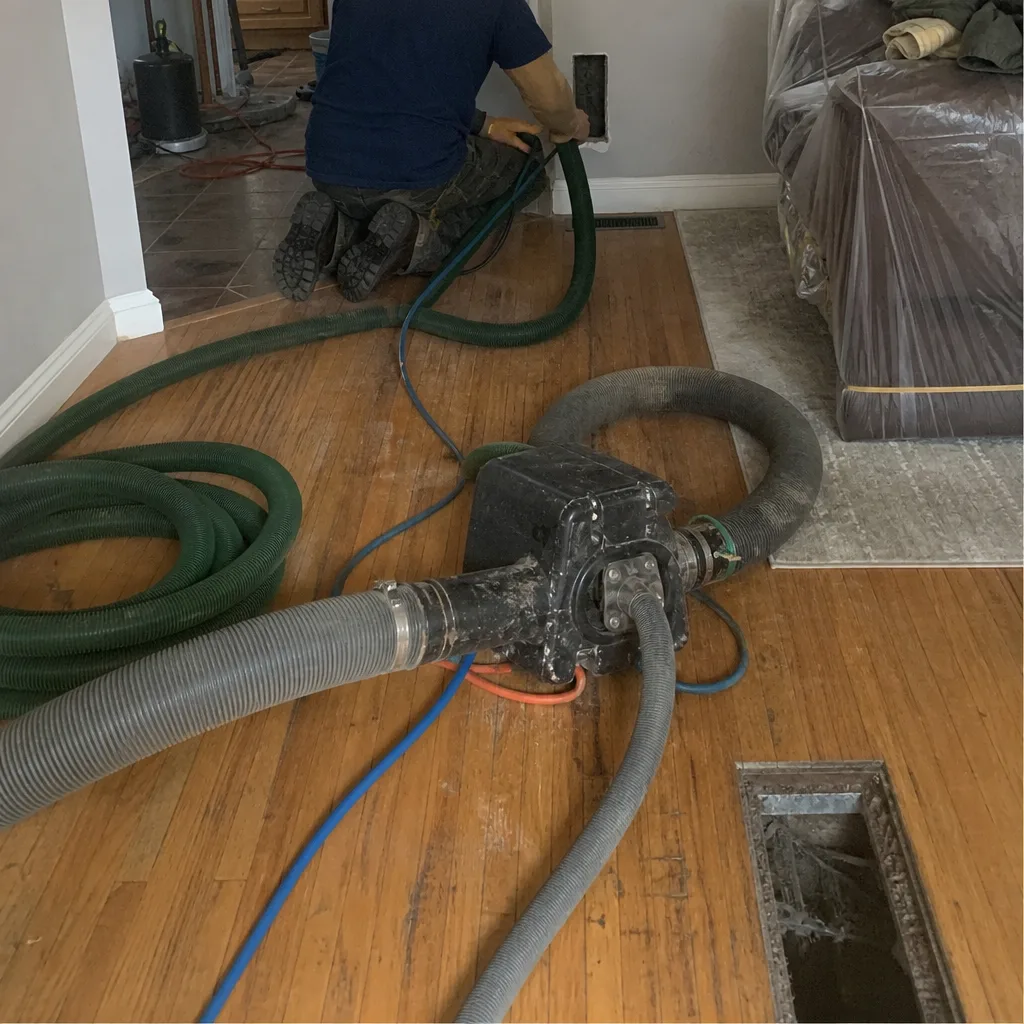 Before
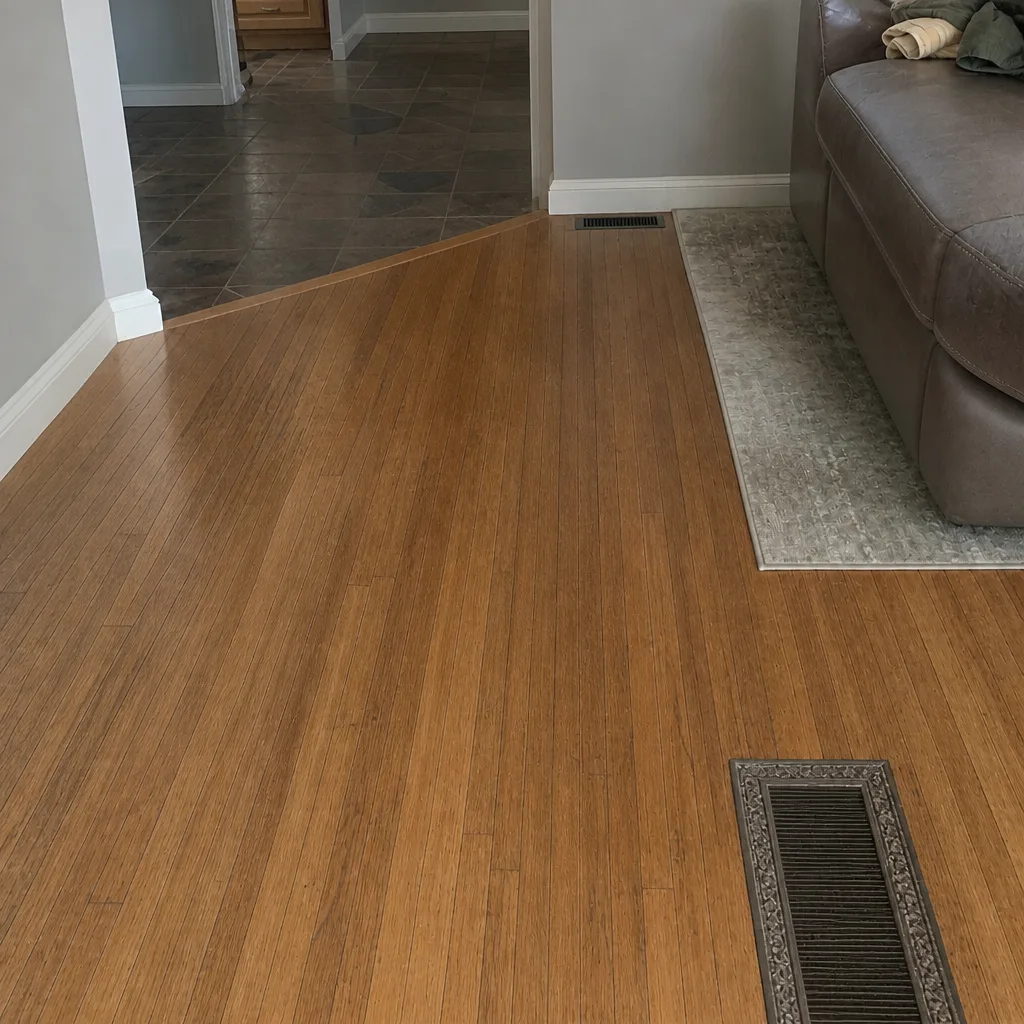 After
Frequently Asked Questions
Most Roseville homes should have their air ducts cleaned every 3 to 5 years, with that interval shortened to 2 to 3 years if you have pets, smokers, allergy sufferers, or a recent remodel. The exact interval depends on your household conditions rather than a single universal rule. The base 5-year timeline only works for a home with none of those risk factors. Call (855) 473-9048 to get an assessment specific to your home – estimates are free.
No, not every year, but do inspect if you smelled smoke inside during the season or ran your HVAC heavily with windows closed while smoke was present. A heavy smoke season can advance your cleaning interval by 12 to 18 months, particularly in homes with leaky duct connections. If two or more of those conditions apply, it’s worth an inspection after the season wraps. Call (855) 473-9048 to schedule one.
No, and treating them as the same is one of the more common mistakes we see. Dryer vents should be cleaned once a year for most households, not every 3 to 5 years, because lint accumulation is a fire risk that builds with every cycle. Households doing 5 or more loads a week, or with longer vent runs, should consider every 9 to 12 months. Call (855) 473-9048 to book a dryer vent cleaning.
A proper report should include before-and-after photos of each duct run with the source identified, areas of access and any inaccessible zones, duct material and condition notes, condition of joints and connections, filter type and replacement date, the count of returns and registers reviewed, recommended next service window, and the equipment used on the job. If a company doesn’t produce one, ask why. Call (855) 473-9048 to schedule with a team that documents its work.
Watch for visible debris at register boots, musty smells when the system runs, worsening allergy symptoms indoors, or return grille dust reappearing within a month of cleaning. Any one of those signals is worth an inspection regardless of when the last cleaning happened. We use Rotobrush brush-agitation and Nikro HEPA extraction so you can see what came out before you pay. Call (855) 473-9048 and we’ll take a look.
Yes, a remodel shortens the interval meaningfully – typically by 12 to 24 months depending on scope. Drywall dust and flooring debris that enters the return air is a different load than ordinary household dust, and it settles into duct surfaces quickly. Schedule an inspection within 60 days of any project that involved cutting drywall, pulling up flooring, or demo work. Call (855) 473-9048 to set one up.
The Bottom Line
The rule you see quoted everywhere – every 3 to 5 years – assumes a home with no pets, no smokers, no recent renovation, and no allergy occupants. Most Roseville homes don’t fit that baseline, so the number needs adjustment. Use the condition table in this guide to build your own interval based on what’s actually in your house. Clean ducts every 2 to 5 years depending on conditions, clean dryer vents once a year regardless, check filters monthly and replace on schedule, and schedule an inspection after any smoke-heavy fire season or remodel. Document what happened at every cleaning, because the next technician needs a baseline, not a blank slate.
Schedule Your Cleaning
If you’re ready to set your home on a maintenance schedule that reflects how the house actually operates, we’re here to help. Our team uses professional-grade equipment – Rotobrush brush contact cleaning, Nikro HEPA extraction, and Abatement Technologies negative-air containment – so the work is done at a commercial standard, not a shop-vac shortcut. You get one flat price per system agreed before work starts, and before-and-after photos of your own ducts. Our technicians have up to 9 years of experience. Call (855) 473-9048 for a free estimate. We answer 24/7, and fast dispatch runs from 7am to 7pm, Sunday through Friday. If you’re just starting, take a look at our Duct Cleaning Roseville page to see what a full cleaning covers and what the estimate process looks like.
Written by the team at Duct Cleaning Roseville.