
Last updated November 14, 2026
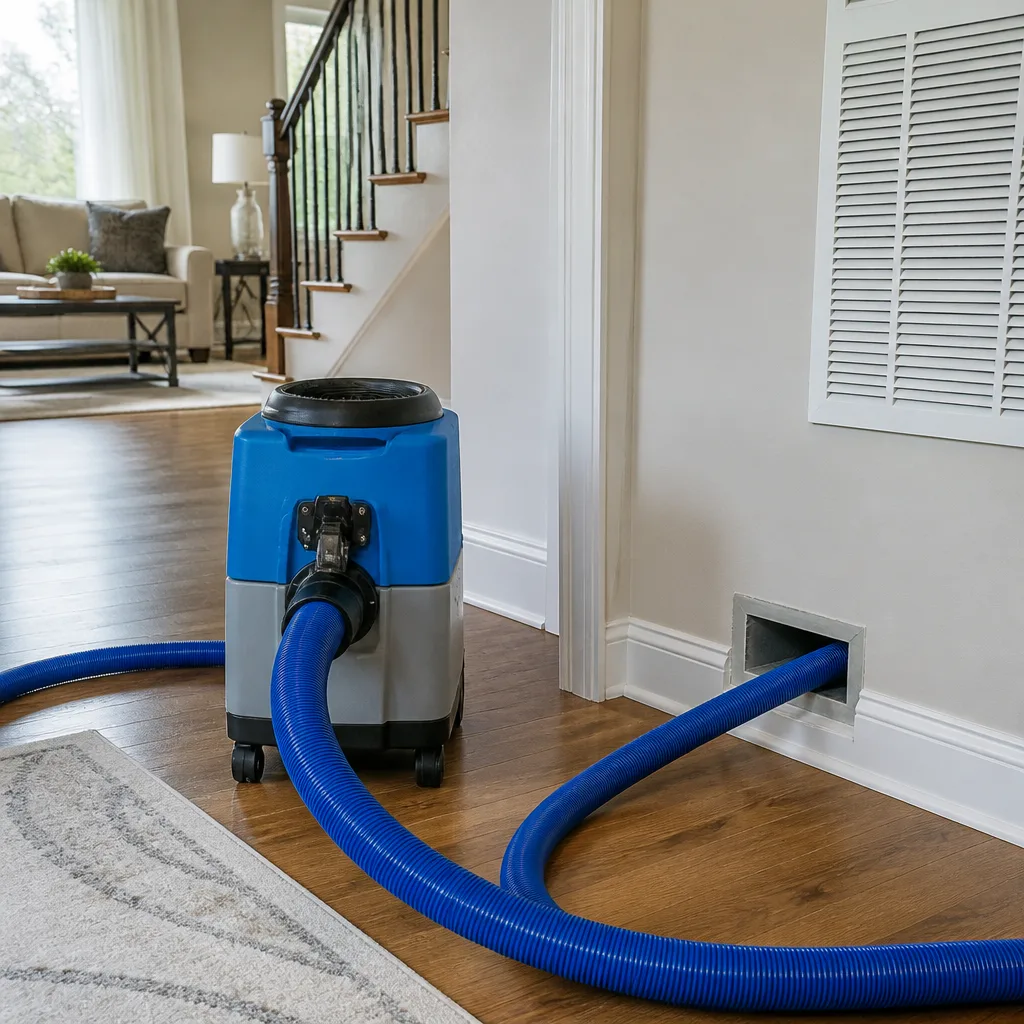 Whole-home duct cleaning
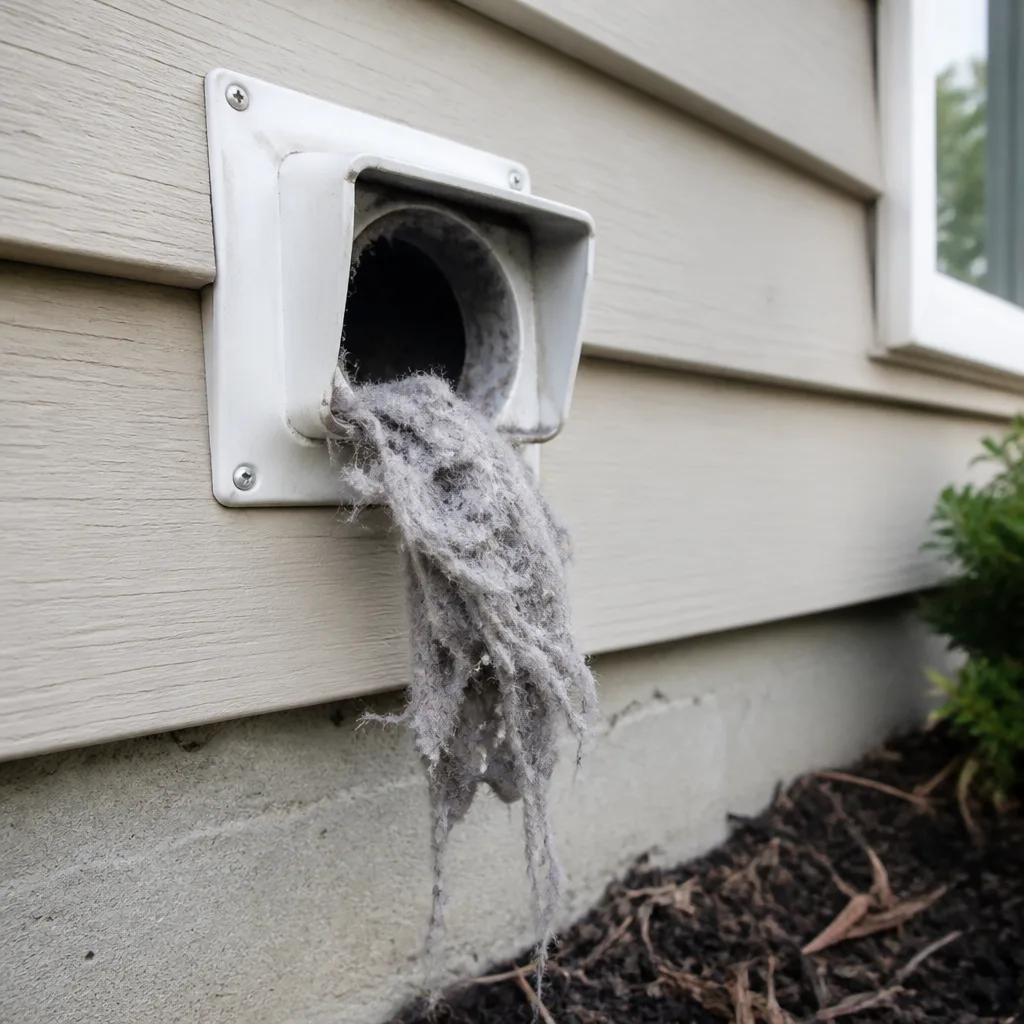 Dryer vent cleaning
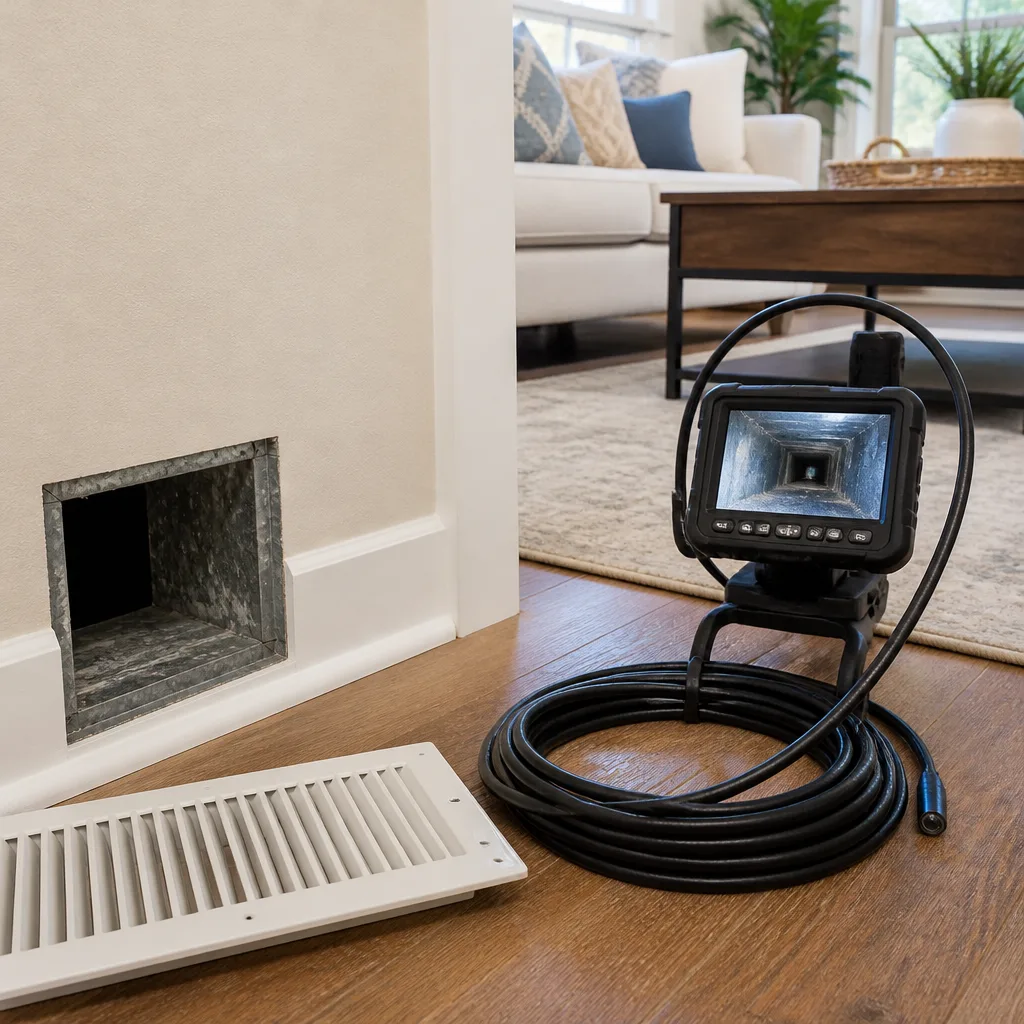 Camera inspection
 Sanitizing & deodorizing
Whole-system duct and dryer vent check with before-and-after photos - you see exactly what came out of your vents
That "$99 whole-house special" is a bait ad - the real number appears once they are in your hallway, or the "clean" is a shop-vac at the register. We photograph the inside of your ducts before and after instead.
Air Duct Cleaning Warning Signs: A Roseville Homeowner’s Reference Guide
Dust settling back onto your furniture within a couple of days of cleaning is not proof your ducts are dirty. More often it’s proof your duct system has a leak that cleaning alone will never fix. Homeowners who confuse the two end up paying for repeated cleanings that solve nothing, because the real problem lives at a joint, a boot or a plenum connection rather than inside the duct run. That distinction drives this entire guide. Below we map specific things you can actually see, smell and feel in a Roseville home to the duct condition each one usually points to, so you can describe your problem to a technician in precise terms instead of guessing.
Quick Answer
The most reliable air duct cleaning warning signs are visible debris or dark streaking at the registers, a musty odor in the first minute the system starts, uneven airflow between rooms, and allergy symptoms that concentrate in one room rather than the whole house. These symptoms point to different problems: debris and odor usually mean contamination inside the ductwork, while uneven airflow and room-specific symptoms often mean a leak, a disconnected run or crushed flex duct that cleaning won’t correct.
Styles & brands we work with
- Whole-home duct cleaning
- Dryer vent cleaning
- Camera inspection
- Sanitizing & deodorizing
Table of Contents
- Contamination Symptoms vs. Airflow Symptoms
- What Musty Odor on Startup Actually Tells You
- What Dark Streaking Around Registers Means
- The Flashlight and White Cloth Register Test
- Why One Room and Not the Whole House?
- Warning Signs That Cleaning Won’t Fix It
- Dryer Vent Warning Signs Worth Acting On
- How a Proper Duct Cleaning Job Actually Runs
Contamination Symptoms vs. Airflow Symptoms
Every warning sign you notice in a Roseville home falls into one of two buckets, and they lead to different conversations with a technician. Contamination symptoms are about what’s moving through the ducts: dust, debris, odor, biological growth. Airflow symptoms are about how much air moves and whether it reaches the rooms it should. Treating one as if it were the other is the most common mistake we run into.
Contamination typically shows up here:
- Visible dust or debris on the supply register face, or debris visible looking up into the register with a light
- A musty or stale smell that appears within the first minute the system starts and fades after
- Dark streaking or a ghosting pattern on the wall or ceiling around a register
- Increased dust settling on horizontal surfaces after the system runs
- Allergy-type symptoms that start when the system cycles on
Airflow problems look different:
- Some rooms feel weak or barely register air at the supply grill
- Temperature swings between rooms that a thermostat setting can’t fix
- Rooms near the end of the longest run being the least comfortable
- A whistle or rush of air at one register with nothing at another
- Pressure you can feel when you hold your hand at a supply grill, compared with a grill in another room
The reason this split matters in Roseville is practical. A duct cleaning addresses contamination. It does not close a leak, reconnect a collapsed run or correct a crushed flex duct behind a wall. If your real complaint is a cold spare bedroom in a two-story home, cleaning the ductwork may improve air quality but won’t change the airflow. Our technicians assess both when they arrive, and we can repair ductwork as a standalone service, so you don’t have to bring in a separate HVAC contractor after the cleaning.
What Musty Odor on Startup Actually Tells You
A musty smell that shows up in the first minute the system starts and then fades is a strong signal of something inside the duct system that the moving air is disturbing. The key detail is timing. Odor on startup points to the supply side. Odor that appears only after the system has run for a while can point to a return-side or equipment-adjacent issue, which is a different conversation.
Here’s what the startup odor usually indicates:
- Microbial growth on duct surfaces. Condensate from a cooling coil, a slightly damp basement or crawlspace, or a humid stretch of a Sacramento Valley summer can leave duct lining damp enough for growth to develop on the interior surface.
- Debris accumulation in the plenum or a main trunk. A plenum that hasn’t been cleaned in a long time can hold a surprising amount of material that releases odor when air first moves across it.
- Old liner material breaking down. Internal duct liner, common in older homes, can degrade over time and produce a smell that reads as musty rather than dusty.
What musty startup odor usually does not indicate on its own is a whole-system contamination event. It’s a targeted signal, and the correct response is to inspect the specific duct sections that sit closest to the equipment and any run that passes through a damp area. A general cleaning done without that inspection can leave the actual source untouched.
One more thing: odor should be investigated, not simply masked. A technician who smells musty air on startup will want to look at the interior of the plenum and the first several feet of the trunk. Equipment like our Abatement Technologies negative-air setup lets the crew contain material that gets disturbed during inspection, so what we find doesn’t end up in your living room. If the odor turns out to be a filtration problem rather than a duct surface problem, familiarity with Honeywell and Aprilaire air quality products means we can address that on the same visit.
What Dark Streaking Around Registers Means
Dark streaking around the edge of a supply or return register is a distinct signal from musty odor, and it’s one homeowners often misread as “the ducts are blowing dirt.” Sometimes that’s true. Often it isn’t. Streaking is a pattern of dark staining on the wall, ceiling or register face, and the pattern itself tells you what’s happening.
The usual explanations for streaking in a Roseville home:
- A dirty register and grill. The register face and the grill behind it collect dust over time, and air brushing past leaves a shadow pattern around the perimeter.
- Filter bypass. A filter that doesn’t seat fully in its frame lets unfiltered air past it, which carries dust into the supply duct and often leaves a streak pattern near the return.
- Negative pressure at a leak. A gap around a register boot, a loose joint, or a poorly sealed ceiling penetration pulls room air (and wall cavity dust) toward the opening. The streak you see is dust drawn to a small leak, which is a bypass problem, not a duct-cleaning problem.
- Condensation ghosting. In some homes, a cooler surface around a register can collect fine dust through subtle condensation cycling, leaving a faint shadow that looks like streaking.
The distinction matters because the fix is different. Streaking caused by a dirty grill resolves with cleaning the register and grill. Streaking caused by a filter that doesn’t seat resolves with a properly fitting filter, and we carry familiarity with both Honeywell and Aprilaire filtration products for exactly this reason. Streaking caused by a leak around a boot or joint resolves with duct repair, and no amount of cleaning stops it. A flashlight held at an angle across the streak, looking for a crack or a gap, is often the fastest way to tell which one you’re looking at.
The Flashlight and White Cloth Register Test
You can gather real evidence before you call anyone, and having it with you makes the conversation with a technician far more useful. The test takes about ten minutes and produces photo evidence you can share. Here’s how it runs:
- Turn the system off at the thermostat. Give the blower a minute to come to a stop.
- Remove one supply register cover in a room where you’ve noticed the complaint. A screwdriver is usually all you need.
- Shine a flashlight up into the duct opening. Look for visible dust, debris, dark material clinging to the duct wall, or rodent evidence. Photograph what you see.
- Wipe the inside of the duct wall with a clean white cloth about a foot in, where a technician can reach. A light dust film is normal. A heavy smear of dark material is a contamination signal.
- Repeat at a second register in a different room. Pick one that feels weak and one that feels strong, so you can compare.
- Photograph each register’s exterior so the streak pattern or grill condition is on record.
- Repeat at the return grill and note whether the filter seats fully in its frame or lets air past the edge.
A few things to watch for as you go: if the cloth comes back clean at one register and dirty at another, that pattern points to a single run rather than the whole system. If the return grill has a visible dust plume at the edges, filter bypass is likely. If the flashlight reveals a crushed or detached flex duct, you’ve found an airflow problem and no cleaning will fix it.
What you’re doing here isn’t diagnosing. It’s documenting. Our technicians have up to 9 years of experience reading these patterns, and a homeowner who arrives with photos and clear descriptions lets them start the inspection in the right place instead of starting from zero.
Why One Room and Not the Whole House?
Allergy symptoms or dust that concentrate in a single room, rather than the whole house, are one of the clearest signs that the problem is localized. Whole-house contamination produces symptoms across the whole house. A single room points to a single duct run.
The usual causes of room-specific symptoms:
- A disconnected or damaged flex duct that’s dumping air into a wall cavity or attic rather than into the room. The room runs weak or not at all, and whatever the duct touches picks up a smell.
- A crushed or kinked run from a careless remodel, a sagging duct support or just age, restricting airflow and letting condensation build up inside.
- A run that terminates short of the room, or that’s been incorrectly split to add an outlet without adding capacity.
- A localized growth issue inside a single run that passes through a damp area.
In Roseville’s housing mix, the two-story homes and additions common across neighborhoods like Fiddyment Farm and Westpark are where we most often see the first three causes. An addition that was tied into the existing duct system without a proper load check on the new run often leaves one room under-supplied and the older rooms slightly over-supplied. A single-room complaint that started after a remodel is a strong clue that the ductwork, not the air handling, is the issue.
This is where a duct cleaning and a duct repair have to be considered together. If we inspect a run and find it’s crushed behind a wall, cleaning it first and repairing it second gets the job done in the right order. You don’t need a separate HVAC contractor once the cleaning is finished.
Warning Signs That Cleaning Won’t Fix It
Some warning signs tell you a cleaning is not the right first move. Cleaning addresses material sitting inside a duct. It does not close a leak, reconnect a run, or correct a system design problem. If any of these are present, the conversation should start with repair, not cleaning:
- Dust returns within about 48 hours of a cleaning. A bypass leak somewhere in the system is pushing unfiltered air back into the house. Cleaning again won’t change it; sealing will.
- A room that never gets airflow. A disconnected or crushed run needs to be found and repaired before anything else. Cleaning a run that’s dumping air into an attic is a waste of money.
- Visible gaps or separated joints at a plenum, trunk or register boot. These are leaks, and they move unfiltered air from a wall cavity or attic into the living space.
- A pressure problem at one register compared with another that persists after cleaning. The ductwork needs balancing or repair, not more cleaning.
- Odor that doesn’t change after cleaning. If a source inside the duct has been removed and the smell persists, the source was never in the duct.
- Ductwork visibly deteriorating inside, with failing liner or holes worn through the duct material. Cleaning may not be advisable; repair or replacement is the answer.
Having a company that offers both cleaning and repair as distinct services means this conversation doesn’t turn into a sales pitch. Our technicians inspect the system, report what they actually find, and let the findings drive the work. When a fix is repair, we fix it. When the right answer is cleaning, we clean it.
For context on what a full cleaning involves, see our air duct cleaning page.
Dryer Vent Warning Signs Worth Acting On
Dryer vent problems sit in a different category from duct problems. They’re a fire risk, and the warning signs are distinct enough to have their own list. A dryer vent that has accumulated lint restricts airflow, which raises dryer operating temperature, which can ignite lint inside the vent line. The warning signs to take seriously:
- Clothes take noticeably longer than usual to dry, and the trend has gotten worse over time
- The dryer’s exterior feels unusually hot to the touch during a cycle
- Lint collects behind or around the dryer, on the wall or the floor
- A burning or overheated smell in the laundry area, or a smell of warm lint
- The exterior vent flap doesn’t open fully when the dryer runs
- You can’t remember the last time the vent line was cleaned
In Roseville, the ductwork for the dryer often runs through an area that’s harder to reach than the homeowner expects, and a vacuum at the exterior vent only clears what’s near the opening. A proper cleaning runs the full length of the vent, and our dryer vent cleaning is a dedicated service rather than a sideline to the ductwork. The right equipment matters here, since a lint clog deep in a vent line won’t come out by simple suction.
How a Proper Duct Cleaning Job Actually Runs
If your inspection and your conversation with a technician point toward cleaning, it helps to know what a thorough job looks like. A typical professional cleaning follows a sequence like this:
- Inspection. The technician opens registers, photographs the interior of the ductwork, and identifies leaks, crushed runs or damage before cleaning starts.
- Containment. Negative-air equipment draws the work area under negative pressure, so disturbed material is captured rather than pushed into the house. We use Abatement Technologies equipment, the same containment-grade technology used in commercial remediation.
- Agitation. A brush-contact system dislodges compacted debris from the duct wall. We use Rotobrush brush-agitation equipment, which is the industry benchmark for this step.
- HEPA extraction. Nikro HEPA-rated extraction captures the dislodged material, down to 0.3 microns, into the machine rather than the living space.
- Inspection and photos. The technician checks the interior again and shares before-and-after photos of your own ducts so you can see what changed.
- Repair, if needed. Any damage found during cleaning gets fixed as part of the same visit, because duct repair is one of our three core services.
- Filtration check. The technician looks at the filter, the filter frame and the register grills, and can recommend a properly fitting Honeywell or Aprilaire product if the current setup is letting air bypass.
The reason we name the equipment rather than leave it general is that not every duct cleaner carries these tools. A shop vac pulls loose dust from the surface of a duct; it doesn’t agitate compacted material from the walls, and it doesn’t contain disturbed air. Being able to name what’s being used on your home is a fair question to ask any company you’re considering.
For the broader picture of what a full cleaning and the equipment behind it involve, our duct cleaning Roseville page walks through it. And if you want to understand the city and the housing stock behind these patterns, our Roseville page covers it.
Common Mistakes to Avoid
- Assuming the cheapest coupon is the fullest service. A low advertised figure often covers only surface work with a shop vac, without agitation or containment. Ask what equipment is being used on the interior of the ducts and whether negative air is part of the job.
- Cleaning twice instead of checking for a leak. Dust returning within 48 hours is a signal of a bypass leak, and cleaning again won’t change it. Have the system inspected for gaps at the plenum, trunk and boots first.
- Ignoring a single-room complaint as “just how the house is.” A room that never got good airflow, especially after an addition in a Roseville neighborhood with mixed housing eras, usually has a duct problem that repair can address. It’s not a thermostat problem.
- Skipping the filter seat check. A filter that doesn’t fully seat in its frame lets unfiltered air into the supply, and no amount of cleaning keeps dust down. Check the frame and the register grills before cleanup.
- Treating dryer vent cleaning as optional. A clogged vent is a fire risk and gets worse with every load. Read the warning signs honestly and schedule the vent line for a proper check if any apply.
- Hiring a company that can’t repair ductwork. If cleaning reveals damage, a cleaner-only company sends you to a second contractor, which is where cost and delay creep in. Ask up front whether repair is available as part of the same visit.
- Not asking for photos. Before-and-after photos of your own ductwork are the clearest way to know the work was actually done. Any company doing thorough work should be able to provide them.
See the difference
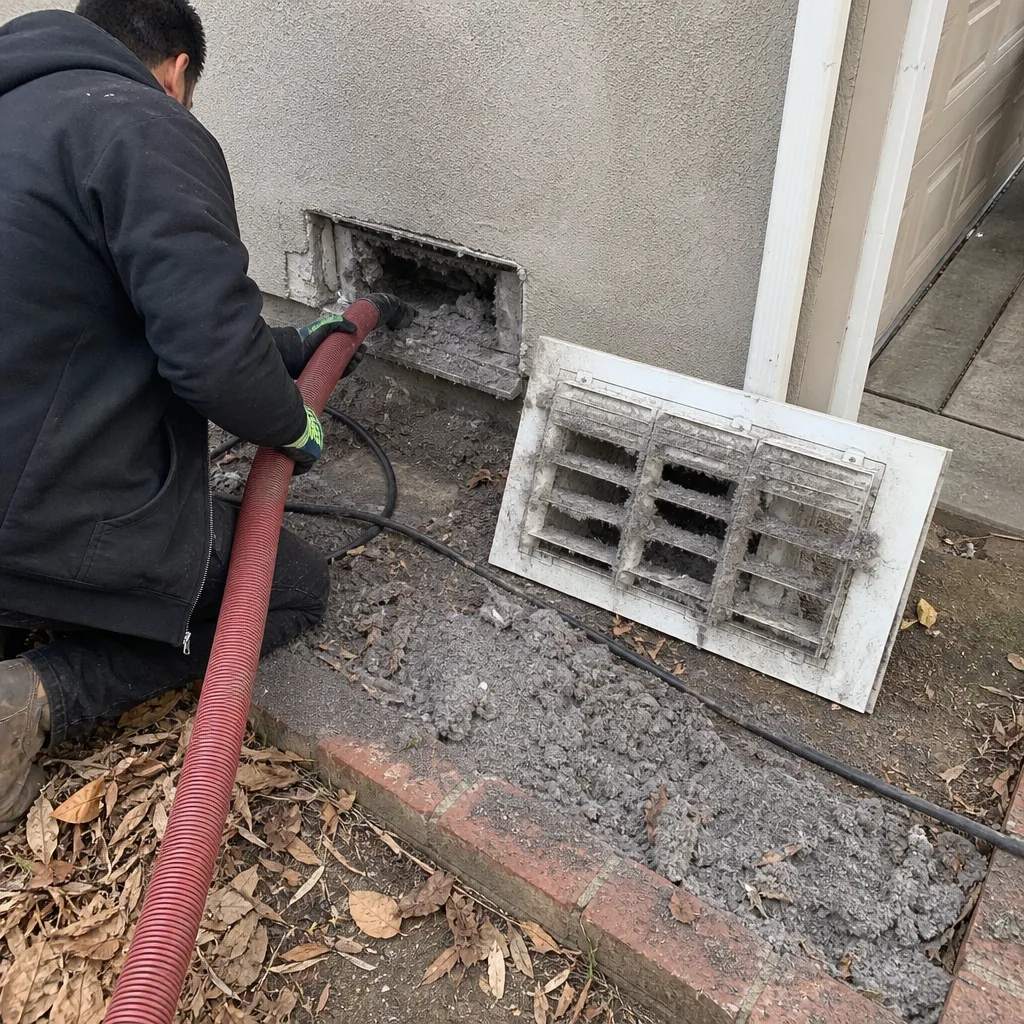 Before
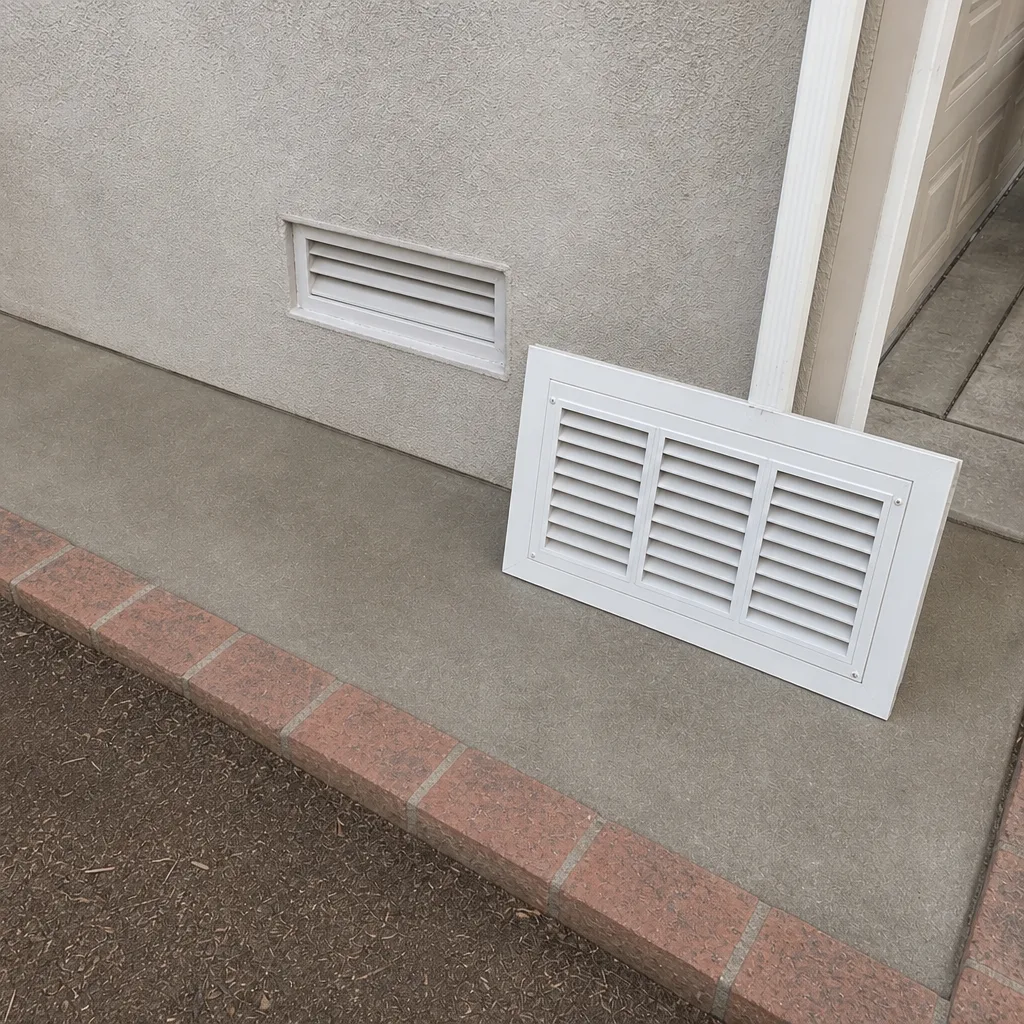 After
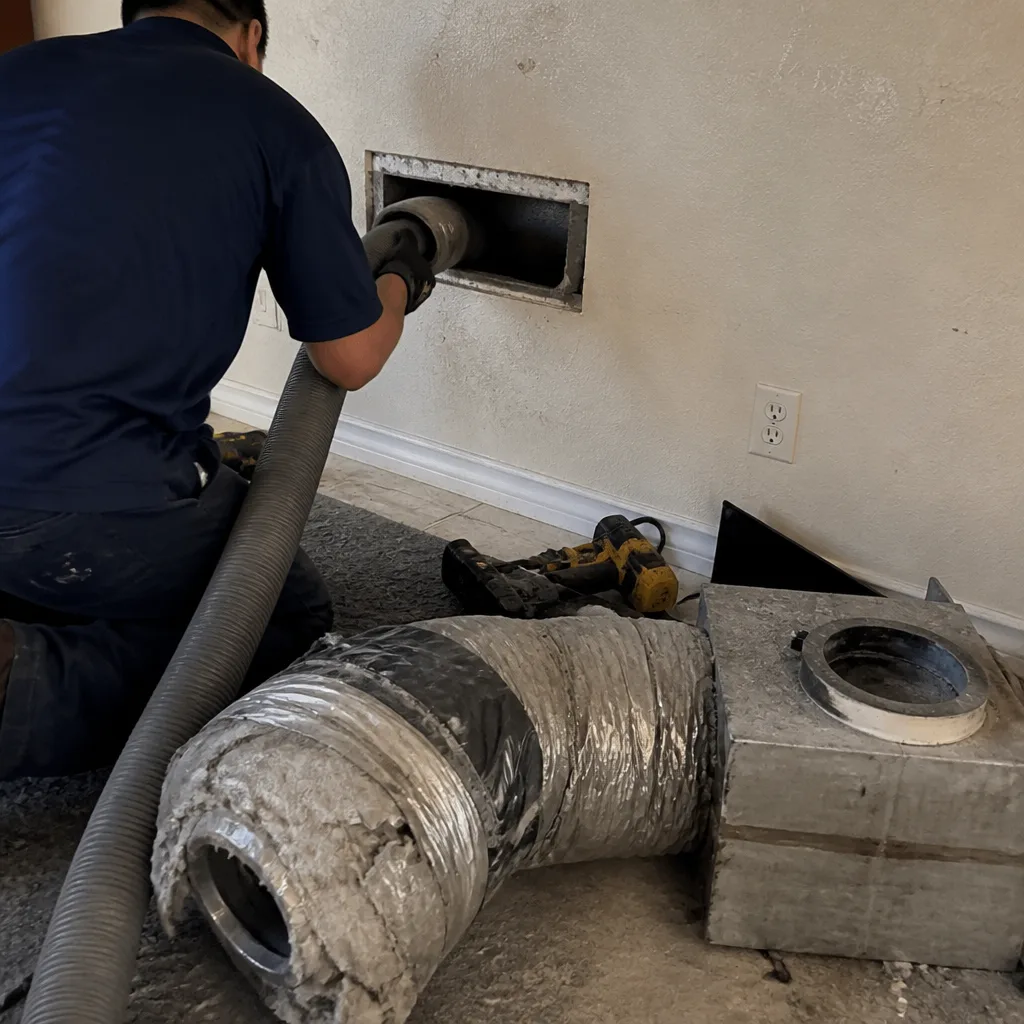 Before
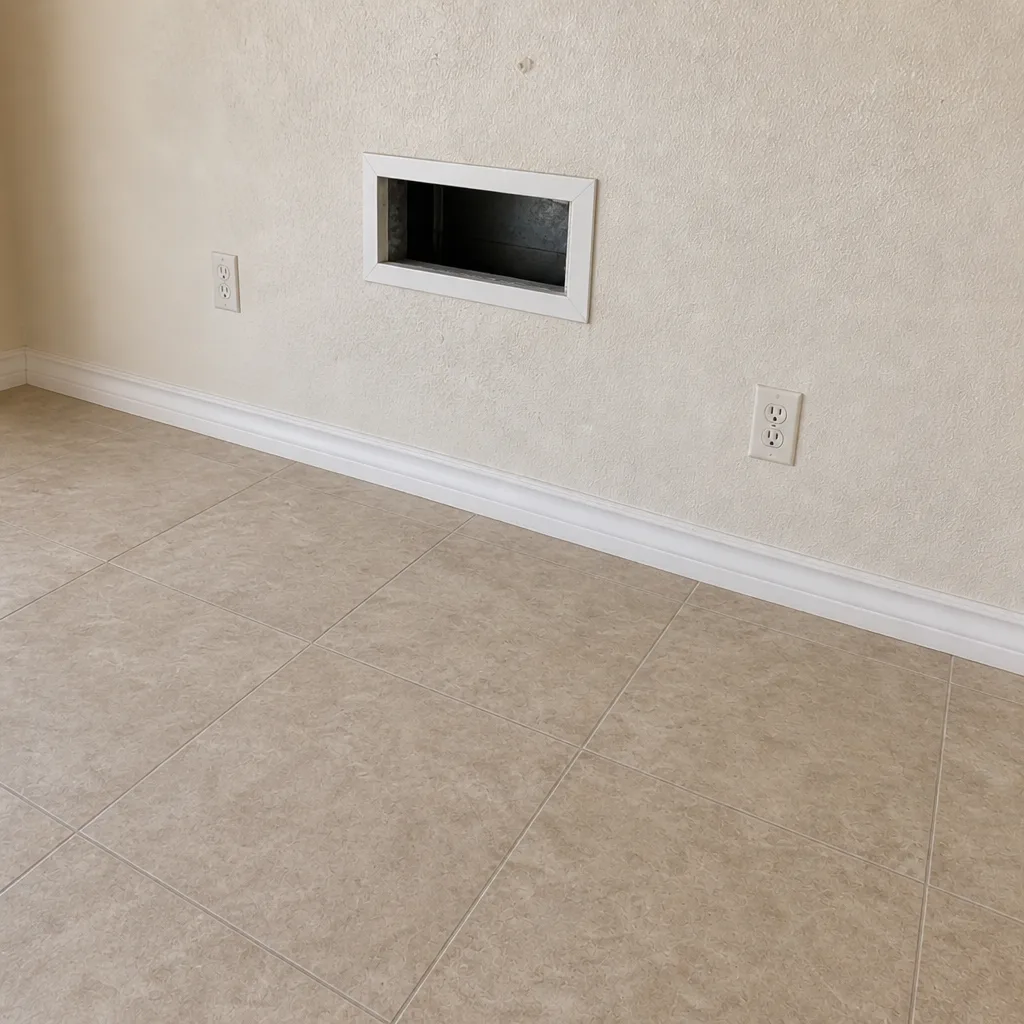 After
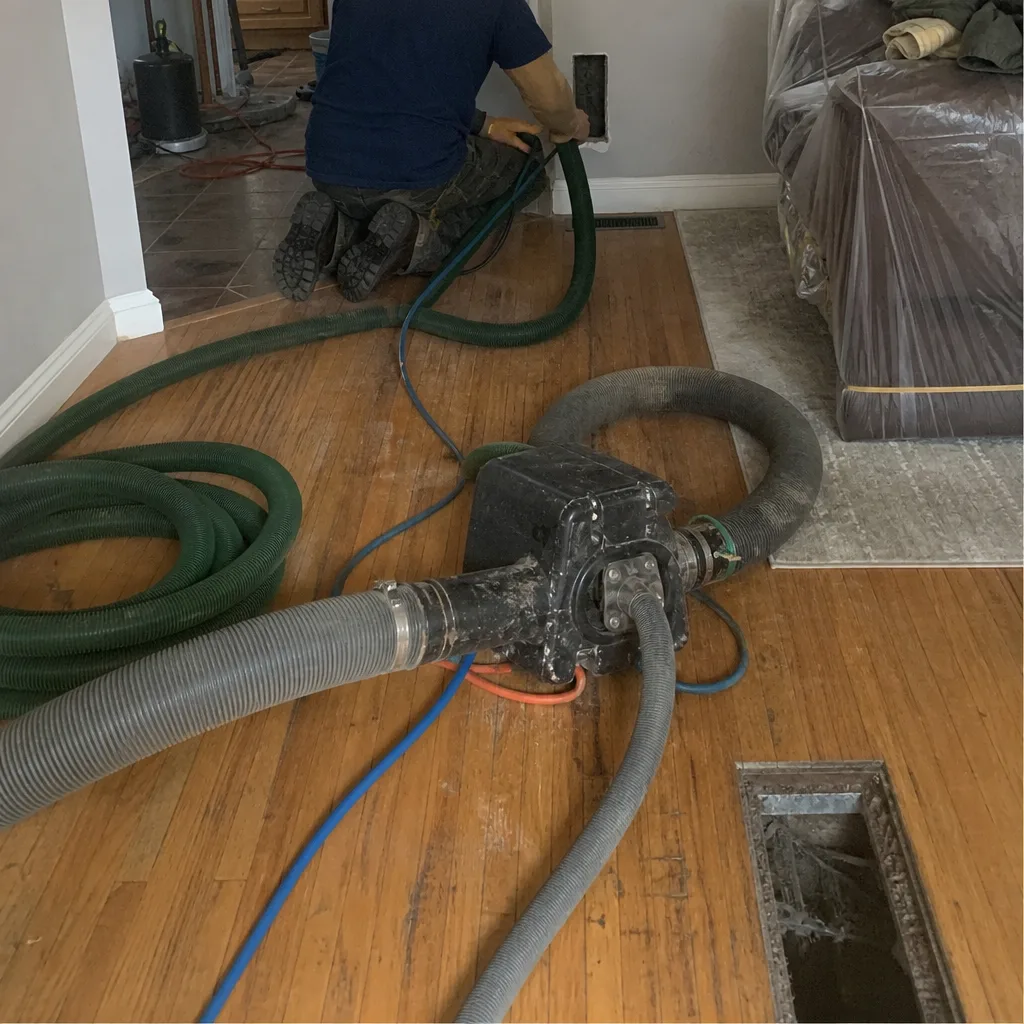 Before
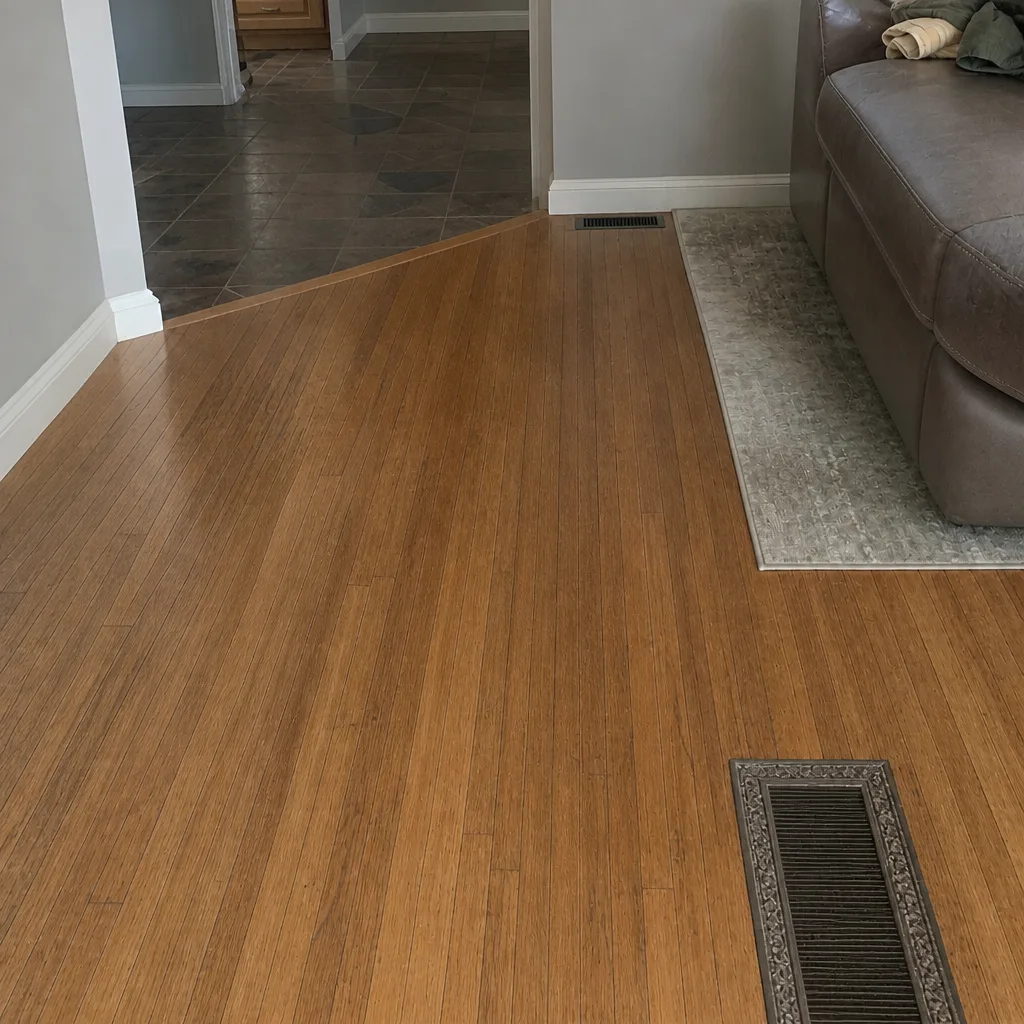 After
When to Call a Professional
Call a professional when your register test turns up heavy debris or dark material on the cloth, when musty odor shows up consistently in the first minute the system starts, when one room is clearly starved for airflow, or when your dryer consistently runs hot or takes longer than it should to dry a load. Also call when you’ve noticed symptoms improving and then worsening again in a pattern that matches your system cycles; that’s a sign the source hasn’t been removed. Duct Cleaning Roseville offers free estimates in Roseville, and our technicians have up to 9 years of experience matching what the inspection finds to what the actual fix is. Call (855) 473-9048 to set up an estimate.
Frequently Asked Questions
Most homes in Roseville do well with a cleaning every few years, and some homes with a filter that seats well and no duct damage go longer. The honest answer depends on inspection findings rather than a fixed schedule. A home with a bypass leak needs repair, not a routine cleaning. Ask for an inspection first and let it tell you what’s actually needed.
Typical whole-system air duct cleaning in the Roseville area runs from about $350 to $750 for a single-family home, with the exact price set by the written estimate before work starts. Pricing is per job, not per vent, so you’re not charged by the register count. Call (855) 473-9048 for an exact quote; estimates are free.
Very low quotes often don’t include brush agitation of the duct walls, HEPA-rated extraction, or negative-air containment, and those are the three steps that actually clean a duct rather than stir dust into the house. Ask any company what equipment is used on the interior of the ducts and whether containment is part of the job. A quote is only comparable when the same work is being done.
Before-and-after photos of your own ductwork are the clearest evidence that the interior changed. A technician should also show you what was found during inspection and what was done about it. Ask for photos up front when you’re pricing the job so it’s part of the expected deliverable, not a favor.
Not necessarily. A single-room complaint more often points to one duct run with a localized problem: a disconnected run, a crushed section, or a run that was never sized correctly. An inspection of that run will tell you whether the fix is a localized repair or a full-system cleaning. Call (855) 473-9048 to arrange an inspection.
It can, if the source is material sitting inside the duct. It won’t if the source is coming from somewhere else, such as a damp area the duct passes through or an issue at the equipment. Musty odor on startup deserves a direct inspection of the plenum and the first sections of the trunk, so the source is identified rather than masked. Call (855) 473-9048 for an estimate.
The Bottom Line
The warning signs on this page fall into two buckets, and the distinction is the single most useful thing to carry away from this guide. Contamination symptoms (visible debris at registers, musty odor on startup, dust settling quickly after a cleaning) point to material inside the ducts. Airflow symptoms (weak rooms, uneven temperatures, pressure differences between registers) point to a leak, a crushed run, or a design problem that cleaning alone won’t fix. The register test gives you photo evidence before you call. If your symptoms started after a remodel or are confined to a single room, suspect the ductwork and ask for an inspection before assuming cleaning. We’re here to help you sort it out with a free estimate.
To book an estimate in Roseville, call (855) 473-9048. We answer 24/7. Fast dispatch from 7am to 7pm, Sunday through Friday. One flat price per system agreed before work starts, and before-and-after photos of your own ducts.
Written by the team at Duct Cleaning Roseville.